


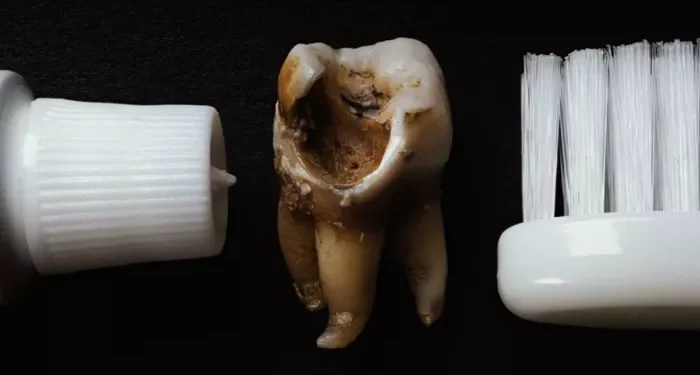
Noticing new cavities when you’ve never had problems before can be frustrating and confusing. Many patients ask, “Why am I getting cavities now when my teeth were fine before?” This article explores the surprising reasons behind sudden tooth decay, explains the science behind cavity formation, and provides practical solutions to stop this worrying trend.
Understanding How Cavities Develop
The Cavity Formation Process
Cavities form through a predictable process:
- Plaque bacteria feed on sugars in your mouth
- Bacteria produce acids as waste products
- Acids dissolve tooth minerals (demineralization)
- Repeated acid attacks create permanent holes
Your Mouth’s Natural Defenses
Your body naturally fights decay through:
- Saliva neutralizing acids
- Minerals in saliva repairing early damage (remineralization)
- Antibacterial components in saliva
- Physical washing away of food particles
Common Reasons for Sudden Cavity Development
Changes in Oral Hygiene Routine
Small changes can have big impacts:
- Switching to a softer toothbrush that cleans less effectively
- Skipping night brushing when saliva flow decreases
- Rushing through brushing and missing key areas
- Stopping flossing allows between-tooth decay
Dietary Shifts
Problematic changes include:
- Increased snacking frequency
- More sugary drinks (even “healthy” juices)
- Hidden sugars in processed foods
- Acidic beverages like soda or sports drinks
Dry Mouth Conditions
Reduced saliva causes:
- Less acid neutralization
- Decreased mineral replenishment
- More bacteria sticking to teeth
Common causes of dry mouth:
- New medications (antihistamines, antidepressants)
- Mouth breathing
- Dehydration
- Medical conditions like Sj?gren’s syndrome
Lifestyle Changes
Factors you might not consider:
- Increased stress leading to teeth grinding
- More frequent travel disrupting routines
- Pregnancy hormonal changes
- Quitting smoking altering oral bacteria
Aging Factors
Natural changes as we age:
- Receding gums exposing vulnerable root surfaces
- Existing fillings weakening over time
- Medications increasing with age
- Dexterity challenges affecting cleaning
Hidden Culprits Behind Sudden Cavities
Acid Reflux and GERD
Stomach acid:
- Erodes enamel directly
- Creates rough surfaces for bacteria
- Often affects back teeth first
Sleep Apnea and Mouth Breathing
Nighttime dry mouth:
- Dramatically reduces protective saliva
- Allows unchecked bacterial growth
- Particularly damages front teeth
New Dental Work
Recent procedures may:
- Create hard-to-clean areas temporarily
- Change your bite alignment
- Cause avoidance of proper cleaning due to sensitivity
Vitamin Deficiencies
Key nutrient shortages:
- Vitamin D (affects calcium absorption)
- Vitamin K2 (directs minerals to teeth)
- Magnesium (works with calcium)
The Role of Oral Bacteria Balance
Harmful Bacteria Takeover
Your mouth contains:
- Cavity-causing bacteria (Streptococcus mutans)
- Neutral bacteria
- Helpful bacteria
When bad bacteria dominate:
- They produce more acid
- Form thicker plaque
- Create more cavities
Causes of Bacterial Imbalance
Triggers include:
- Antibiotic use
- High sugar diet
- Poor oral hygiene
- Sharing utensils with high-cavity individuals
Diagnosing the Cause of Your Sudden Cavities
Dental Examination
Your dentist will:
- Check for new cavities and their locations
- Look for patterns in decay
- Assess gum recession
- Evaluate existing dental work
Medical History Review
Important to discuss:
- New medications
- Changes in health
- Recent stressful events
- Dietary modifications
Salivary Testing
Special tests can measure:
- Saliva quantity and quality
- Bacterial levels
- Acid neutralization capacity
Effective Treatment Strategies
Professional Interventions
Dental treatments may include:
- High-fluoride varnishes
- Prescription toothpaste
- Dental sealants
- Replacement of failing fillings
Home Care Adjustments
Improve your routine with:
- Electric toothbrush with pressure sensor
- Fluoride mouthwash
- Interdental brushes
- Tongue cleaning
Dietary Modifications
Protective changes:
- Cheese and nuts as snacks
- Green tea instead of soda
- Crunchy vegetables to clean teeth
- Xylitol gum after meals
Preventing Future Cavities
Optimize Your Brushing Technique
Proper method:
- Hold brush at 45-degree angle to gums
- Use gentle circular motions
- Spend 30 seconds per quadrant
- Don’t rinse after brushing
Smart Snacking Habits
Tooth-friendly approach:
- Limit eating to 3 meals and 1 snack
- Choose low-sugar options
- Drink water after snacks
- Wait 30 minutes before brushing after acids
Regular Professional Care
Essential visits:
- Cleanings every 6 months (or as recommended)
- Early cavity detection
- Professional fluoride treatments
- Bite assessment
Special Considerations for High-Risk Patients
Patients with Chronic Conditions
Extra precautions for:
- Diabetes (higher cavity risk)
- Autoimmune disorders (often dry mouth)
- Eating disorders (acid erosion)
Older Adults
Specific challenges:
- Root surface exposure
- Multiple medications
- Existing dental work aging
- Physical limitations
Young Adults
Common issues:
- Less parental supervision
- Irregular routines
- Increased snacking
- Orthodontic appliances
The Psychological Aspect of Sudden Cavities
Stress and Oral Health
Connections include:
- Teeth grinding damaging enamel
- Neglected hygiene during busy times
- Stress-eating sugary foods
- Weakened immune response
Breaking the Cycle
Positive steps:
- Address underlying stress
- Make oral care a priority
- Celebrate small improvements
- Seek support if needed
Advanced Protective Measures
Prescription Products
Dentist-recommended options:
- High-fluoride toothpaste (5000ppm)
- Calcium phosphate rinses
- Remineralizing gels
- pH-neutralizing lozenges
Emerging Technologies
New prevention tools:
- Laser cavity detection
- Probiotic supplements
- Smart toothbrushes with feedback
- Antibacterial varnishes
When to Seek Immediate Help
Warning Signs
Require prompt attention:
- Sudden tooth pain
- Visible holes in teeth
- Broken teeth
- Swollen gums
High-Risk Situations
Special concerns:
- Pregnancy with multiple cavities
- Radiation therapy planned
- Organ transplant medications
- Uncontrolled diabetes
Long-Term Outlook and Maintenance
Monitoring Progress
Track improvements through:
- Regular dental checkups
- Photos of trouble areas
- Sensitivity changes
- Plaque disclosure tablets
Sustainable Habits
Lifelong strategies:
- Water as primary beverage
- Consistent bedtime routine
- Travel dental kit
- Backup brush at work
Conclusion
Sudden cavity development often results from identifiable changes in your oral ecosystem – whether from diet, medications, stress, or altered routines. The good news is that once you understand the specific causes affecting you, most can be corrected with targeted adjustments to your oral care and lifestyle. Work closely with your dentist to identify your personal risk factors and develop a prevention plan tailored to your situation. Remember that catching cavities early makes treatment simpler and more conservative, so don’t delay your next dental visit if you’ve noticed this worrying trend. With the right knowledge and habits, you can regain control of your oral health and stop new cavities from forming.