


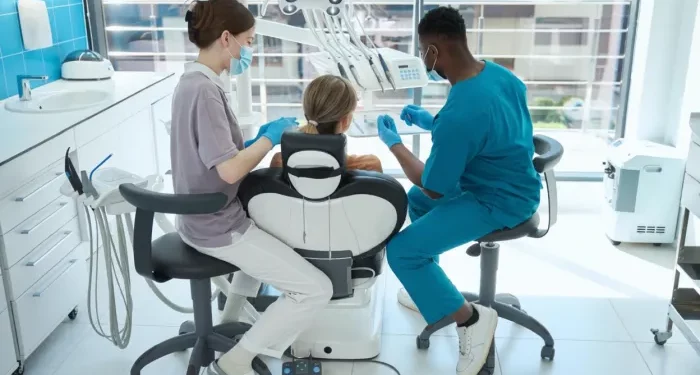
Emergency dental demand is driving a growing shift in how urgent oral health care is delivered across the United States, as more clinics extend hours into nights and weekends to treat patients who would otherwise turn to hospital emergency departments.
According to the American Dental Association, approximately 2 million people visit U.S. emergency departments each year for non-traumatic dental conditions. While many of these cases are not life-threatening, severe tooth pain often leaves patients with few immediate options, especially outside standard clinic hours.
21 Dog Breeds That Will Guard You With Their Life, Ranked In OrderOutdoor Revival | SponsoredSponsored
Emergency departments are typically limited in the care they can provide for dental problems, often offering only temporary solutions such as antibiotics or pain relief medication. These visits also tend to receive lower triage priority compared with other medical emergencies, even though the discomfort can be significant. At the same time, ER care is costly and rarely resolves the underlying dental issue.
These are the 10 most expensive yachts on the planetTopGentlemen.com | SponsoredSponsored Learn More
In response to this gap, dental providers across the country are increasingly offering after-hours, weekend, and same-day appointments for urgent cases. Industry observers say this shift benefits patients by providing faster access to definitive treatment while also reducing pressure on overcrowded emergency departments.
Frankfurt Am Main: AI Call Centers Explained [Learn more]Goodreturns | SponsoredSponsored Learn More
Data suggests that emergency department visits for non-traumatic dental conditions have remained steady at roughly 2 million annually since 2020, rather than showing sharp growth. However, the financial burden associated with these visits has increased substantially. A report from the CareQuest Institute for Oral Health found the average cost of an emergency dental-related ER visit has risen to approximately $2,437, reflecting a significant increase in recent years.
Coverage gaps remain a key challenge. While many patients rely on Medicaid or other public insurance programs, changes in funding structures and rising out-of-pocket costs are shifting more responsibility to states and individuals. Some analysts warn that continued policy pressure could further limit access to preventive dental care, potentially increasing reliance on emergency departments for avoidable conditions.
One emerging response to these challenges is the development of urgent dental care networks and digital coordination platforms. These tools help patients locate dentists offering immediate or next-day availability, filtering by location and type of dental emergency. By redirecting cases away from hospitals, these systems aim to ensure patients receive definitive treatment rather than temporary stabilization.
Experts note that most non-traumatic dental emergencies are linked to delayed routine care. Factors such as dental anxiety, cost concerns, lack of insurance, and rising living expenses often lead patients to postpone treatment until pain becomes severe. Once this occurs, conditions that could have been treated early may escalate into urgent or emergency situations requiring more complex intervention.
An aging population also contributes to demand, as older patients are more likely to experience complications from prior dental work such as crowns, bridges, or implants.
To address accessibility barriers, many urgent dental clinics are adopting direct pricing models, membership plans, and transparent fee structures that reduce dependence on traditional insurance systems. In many cases, these services are significantly less expensive than emergency room visits, with routine emergency dental procedures such as examinations and extractions often ranging between $200 and $500.
Healthcare analysts estimate that treating dental emergencies in a dental clinic setting can cost 75% to 80% less than equivalent care in a hospital emergency department. In contrast, untreated issues that escalate can lead to far higher downstream costs if infections or complications require hospitalization.
As demand continues to grow, industry professionals argue that expanded access to after-hours dental care is becoming an essential component of modern healthcare delivery, offering a more efficient, cost-effective alternative to emergency room treatment while improving outcomes for patients experiencing acute dental pain.
AI Call Centers Are Quietly Rewriting SupportGoodreturns | SponsoredSponsored Learn More Tags: dental caretooth Read More