


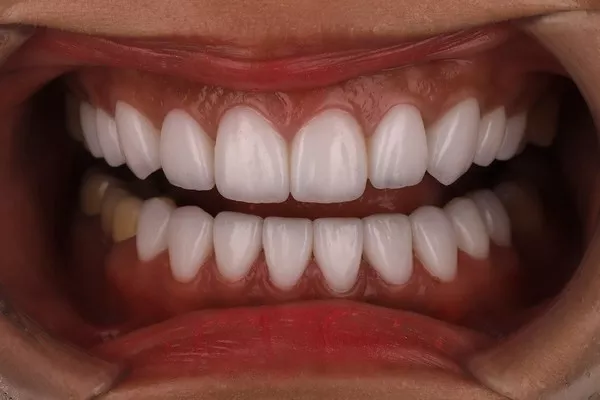
Maintaining oral health is essential for overall well-being, and routine dental cleanings are a crucial part of that maintenance. However, there are times when a standard cleaning isn’t sufficient to address deeper issues beneath the gum line. This is where deep cleaning, also known as scaling and root planing, comes into play. This article provides an in-depth exploration of what deep cleaning entails, the reasons it may be necessary, its benefits, risks, the procedural steps, aftercare, costs, and potential alternatives.
Explanation of Deep Cleaning
Deep cleaning is a specialized dental procedure aimed at treating periodontal disease (gum disease) and involves two main steps: scaling and root planing. This treatment is more intensive than regular cleanings and targets the removal of plaque and tartar buildup below the gum line, as well as smoothing the roots of teeth to promote healing and reattachment of the gums.
Scaling
Scaling involves the removal of plaque and tartar (hardened plaque) from the tooth surfaces, especially below the gum line. Dentists use special tools, either manual scalers or ultrasonic instruments, to meticulously clean these areas.
Root Planing
Root planing goes a step further by smoothing the tooth roots, which helps remove bacterial toxins and discourages future plaque buildup. This process also allows the gums to heal and reattach to the teeth more effectively.
Difference from Regular Cleaning
Regular cleaning, or prophylaxis, is primarily preventive, focusing on removing plaque and tartar from the surface of teeth above the gum line. It is generally sufficient for maintaining oral health in individuals without significant gum disease. In contrast, deep cleaning is a therapeutic procedure used to treat existing periodontal disease by cleaning below the gum line and promoting tissue healing.
Reasons for Deep Cleaning
Gum disease is the primary condition that necessitates deep cleaning. Periodontal disease ranges from gingivitis, a mild form of gum disease, to more severe periodontitis, which can lead to tooth loss if untreated.
Conditions Necessitating Deep Cleaning
Gingivitis: Characterized by red, swollen gums that may bleed easily. While it can often be reversed with good oral hygiene and regular cleanings, persistent cases may require deep cleaning.
Periodontitis: More severe inflammation and infection of the gums, which can cause gums to pull away from the teeth, forming pockets that become infected. This condition requires deep cleaning to prevent further damage.
Symptoms to Look Out For
- Persistent bad breath
- Red, swollen, or tender gums
- Bleeding gums during brushing or flossing
- Receding gums or longer appearing teeth
- Loose or shifting teeth
- Pus between the gums and teeth
Recognizing these symptoms early and seeking a dental evaluation can prevent the progression of gum disease and the need for more extensive treatments.
see also: yellow teeth vs white teeth:Which is stronger?
Benefits of Deep Cleaning
The advantages of deep cleaning are numerous, particularly for those suffering from gum disease.
Stopping the Progression of Gum Disease
Deep cleaning effectively removes the bacterial buildup that causes gum disease, halting its progression. By eliminating these deposits, inflammation decreases, and the gums begin to heal.
Improving Gum Health
Post-treatment, patients typically experience reduced gum swelling and bleeding. The gums can reattach to the teeth more snugly, reducing the depth of periodontal pockets and improving overall gum health.
Preventing Tooth Loss
Periodontal disease is a leading cause of tooth loss in adults. By treating the disease with deep cleaning, the risk of tooth loss is significantly reduced, helping to preserve natural teeth.
Enhancing Overall Health
There is a well-documented link between periodontal health and systemic health. Untreated gum disease has been associated with conditions such as heart disease, diabetes, and respiratory issues. Deep cleaning helps reduce these risks by addressing the infection and inflammation in the mouth.
Risks and Disadvantages
While deep cleaning is generally safe and beneficial, it is not without potential risks and side effects.
Pain and Discomfort
Patients may experience discomfort during and after the procedure. Local anesthesia is typically used to minimize pain during treatment, but soreness can persist for a few days afterward.
Sensitivity
Teeth may become more sensitive to hot and cold temperatures following deep cleaning. This sensitivity usually subsides over time but can be managed with desensitizing toothpaste and fluoride treatments.
Infection
Although rare, there is a small risk of infection following deep cleaning. Dentists may prescribe antibiotics if they believe there’s a significant risk or if the patient has an existing health condition that could be exacerbated by infection.
Nerve Damage
Nerve damage is an extremely rare side effect but can occur if the tools used during scaling and root planing impact the nerves in the mouth. This can lead to temporary or, in rare cases, permanent changes in sensation.
The Procedure
Understanding the steps involved in a deep cleaning procedure can help alleviate anxiety and prepare patients for what to expect.
Initial Examination
The dentist will first conduct a thorough examination, which may include taking X-rays to assess the extent of gum disease and to identify areas needing attention.
Anesthesia
Local anesthesia is administered to numb the treatment area, ensuring the procedure is as comfortable as possible for the patient.
Scaling
The dentist or dental hygienist will use manual scaling tools, ultrasonic scalers, or a combination of both to remove plaque and tartar from below the gum line. Ultrasonic scalers use high-frequency vibrations to break up tartar, while manual scalers provide precision.
Root Planing
After scaling, the root surfaces of the teeth are smoothed to remove bacterial toxins and prevent further plaque accumulation. This step is crucial for promoting healing and reattachment of the gums.
Rinse and Polish
Once scaling and root planing are complete, the treated areas are rinsed to remove debris. Some dentists may also polish the teeth to smooth the enamel surface, making it more difficult for plaque to adhere.
Post-Treatment Instructions
Patients receive specific aftercare instructions to ensure proper healing. This may include advice on pain management, maintaining oral hygiene, and scheduling follow-up visits.
Aftercare
Proper aftercare is vital to the success of a deep cleaning treatment and overall periodontal health.
Managing Discomfort
Over-the-counter pain relievers, such as ibuprofen, can help manage discomfort after the procedure. Applying a warm saltwater rinse can also soothe the gums.
Oral Hygiene
Maintaining good oral hygiene is crucial. Patients should brush twice daily with a soft-bristled toothbrush, floss daily, and use an antimicrobial mouthwash to keep bacteria at bay.
Diet
Eating a balanced diet rich in vitamins and minerals supports gum health. Patients should avoid hard, crunchy, or sticky foods immediately after treatment to prevent irritation and promote healing.
Follow-Up Visits
Regular dental visits are essential to monitor healing and manage any ongoing periodontal issues. Dentists may recommend more frequent cleanings to keep gum disease under control.
see also: What does it mean when you have yellow teeth?
Cost and Insurance
Deep cleaning is a more extensive and costly procedure than regular cleanings, but it is often necessary for maintaining oral health in patients with periodontal disease.
Typical Costs
The cost of deep cleaning can vary widely depending on the extent of the disease, the geographic location, and the dentist’s expertise. On average, scaling and root planing can cost between $150 to $350 per quadrant of the mouth, resulting in a total cost ranging from $600 to $1,400 for a full mouth treatment.
Insurance Coverage
Many dental insurance plans cover deep cleaning procedures, particularly if they are deemed medically necessary for treating periodontal disease. Patients should check with their insurance provider to understand their coverage and any out-of-pocket costs.
Payment Plans
For those without insurance or facing high out-of-pocket costs, many dental offices offer payment plans or financing options to make the procedure more affordable.
Alternatives
While deep cleaning is the standard treatment for moderate to severe gum disease, there are alternative treatments that may be appropriate in certain situations.
Regular Cleaning and Improved Oral Hygiene
For mild cases of gingivitis, improving daily oral hygiene practices and undergoing regular dental cleanings may be sufficient to reverse the condition without the need for deep cleaning.
Antibiotic Therapy
In conjunction with or as an alternative to deep cleaning, dentists may prescribe antibiotics to reduce bacterial infection and inflammation. These can be administered orally or placed directly into periodontal pockets.
Laser Therapy
Laser-assisted periodontal therapy is a less invasive alternative to traditional deep cleaning. It uses laser technology to remove diseased tissue and bacteria, promoting quicker healing with less discomfort.
Surgical Options
For advanced cases of periodontitis that do not respond to deep cleaning, surgical interventions such as flap surgery or bone and tissue grafts may be necessary to restore oral health.
Conclusion
Deep cleaning, involving scaling and root planing, is a critical procedure for managing and treating gum disease. It offers numerous benefits, including stopping the progression of gum disease, improving gum health, and preventing tooth loss. While there are some risks and side effects, the procedure is generally safe and effective when performed by a skilled dental professional. Proper aftercare, understanding the costs and insurance coverage, and considering potential alternatives can help patients make informed decisions about their periodontal health. Regular dental v
FAQs about Deep Cleaning of Teeth
1. How painful is deep cleaning of teeth?
Deep cleaning, also known as scaling and root planing, can cause some discomfort, but it is generally well-managed with local anesthesia. The degree of pain varies depending on individual pain tolerance, the severity of gum disease, and the depth of the cleaning required. Most patients report feeling pressure rather than pain during the procedure. After the anesthesia wears off, some soreness or sensitivity might be experienced for a few days, but over-the-counter pain relievers and following post-care instructions can help manage any discomfort.
2. Do gums grow back after deep cleaning?
While gums do not “grow back” in the sense of regenerating lost tissue, deep cleaning can help gums heal and reattach to the teeth, reducing pocket depth and inflammation. By removing plaque and tartar from below the gumline, the treatment allows the gums to adhere more closely to the teeth, promoting healthier gum tissue. Proper oral hygiene practices and regular dental check-ups are essential to maintain this improved state and prevent further gum recession.
3. Is deep teeth cleaning worth it?
Yes, deep cleaning is worth it for individuals with periodontal (gum) disease. It can prevent the progression of the disease, reduce the risk of tooth loss, and improve overall oral health. Benefits of deep cleaning include:
Reduced Gum Inflammation: Helps control swelling and bleeding of the gums.
Decreased Pocket Depth: Helps gums reattach to teeth, reducing the depth of periodontal pockets.
Preventing Tooth Loss: By treating gum disease early, it helps in maintaining the support structure of teeth.
Better Oral Hygiene: Encourages better daily care practices and facilitates easier home cleaning.
Investing in deep cleaning can save more extensive and costly dental treatments in the future and contribute to better overall health.
4. How long does deep cleaning take to heal?
Healing time after a deep cleaning varies by individual but generally, it takes a few days to a week for the gums to start feeling normal again. Full healing and reattachment of the gums to the teeth might take a few weeks. During the healing period, it is common to experience:
Mild Soreness or Sensitivity: Especially to cold or hot foods and beverages.
Minor Bleeding: Should subside within a couple of days.
Swelling or Tenderness: Generally reduces within a week.
To promote healing, it’s important to follow your dentist’s aftercare instructions, which might include:
Good Oral Hygiene: Gentle brushing and flossing to keep the area clean without irritating the gums.
Rinsing with Salt Water or Antiseptic Mouthwash: Helps reduce bacteria and soothe the gums.
Avoiding Irritants: Such as smoking, which can impede healing, and hard or sticky foods that can aggravate the gums.
Regular follow-up visits with your dentist are essential to monitor the healing process and ensure the disease does not progress.
You Might Be Interested In
- How Much Is Teeth Cleaning And Whitening
- How long does 3 fillings take?
- yellow teeth & white teeth:What’s the Difference?
Tags: bad breathdiseasegingivitisGum Diseaseperiodontal diseaseperiodontitisteethteeth cleaningtoothwhite teethyellow teeth