


Introduction
If you wear a dental bridge, you must pay extra attention to cleaning. Unlike natural teeth, bridges create tight spaces where food can easily get trapped. As a result, bacteria grow quickly and cause bad breath.
Therefore, understanding how to floss dental bridge properly is essential. It helps prevent odor, gum disease, and decay under the bridge. Moreover, it protects your long-term investment in dental work.
Many people brush regularly but still notice unpleasant smells. This often happens because the area under the bridge is missed. However, with the right tools and techniques, this problem can be solved.
In this guide, you will learn simple and effective methods. You will also discover common mistakes and expert tips for better results.
What Is a Dental Bridge and Why Does It Need Special Care
A dental bridge replaces one or more missing teeth. It is fixed in place and supported by adjacent teeth or implants. Because of this structure, it cannot be removed like dentures.
As a result, cleaning becomes more complex. Food debris often gets stuck underneath the artificial tooth. If it is not removed, bacteria will multiply.
Moreover, plaque buildup can lead to gum inflammation. Over time, this may cause serious oral health problems. Therefore, regular flossing is not optional—it is necessary.
Additionally, bridges are designed to last many years. However, poor hygiene can shorten their lifespan. So, proper care ensures durability and comfort.
Best Tools to Floss Under a Dental Bridge
Before you start, you need the right tools. Traditional floss alone is usually not enough. Therefore, dentists recommend specialized options.
Here are the most effective tools:
- Floss threaders
These help guide the floss under the bridge. They are simple and affordable. - Super floss
This type has a stiff end, a spongy section, and regular floss. It works very well for bridges. - Water flossers
These use a stream of water to clean hard-to-reach areas. They are convenient and gentle. - Interdental brushes
These small brushes can clean spaces between teeth and under bridges.
Each tool has its own benefits. However, many people use a combination for the best results.
Step-by-Step Guide: How to Floss a Dental Bridge Properly
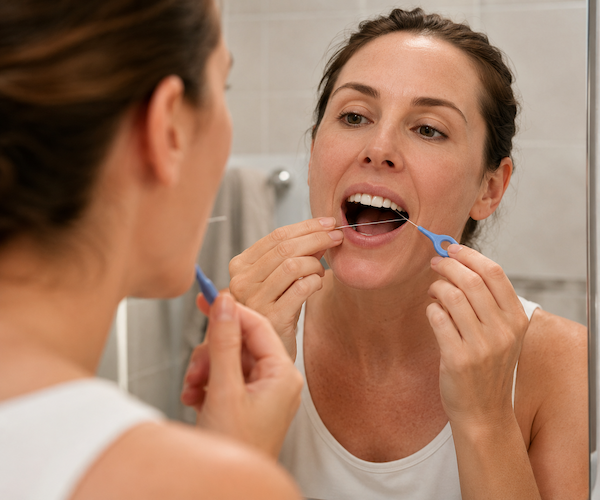
Now let’s focus on the actual process. Follow these steps carefully for effective cleaning.
- Prepare your floss or tool
Choose super floss or a floss threader. This makes the process easier. - Insert under the bridge
Gently guide the floss beneath the artificial tooth. Do not force it. - Move side to side
Slide the floss along the gum line. This removes hidden debris. - Clean both sides
Make sure to clean around the supporting teeth. They are very important. - Repeat daily
Consistency is key. Clean at least once a day.
Additionally, always be gentle. Rough movements can irritate your gums. Over time, proper technique becomes easier and faster.
Common Mistakes That Cause Odor
Even if you floss, mistakes can reduce effectiveness. Therefore, it is important to avoid these habits.
- Skipping the underside
Many people only floss between teeth. However, the bridge area is often ignored. - Using regular floss incorrectly
Without a threader, floss may not reach under the bridge. - Not flossing daily
Inconsistent habits allow bacteria to build up. - Brushing only
Brushing alone cannot clean hidden areas. - Using too much force
This can damage gums and cause discomfort.
Because of these mistakes, odor can persist. However, correcting them leads to noticeable improvement.
Additional Tips to Prevent Bad Breath with a Dental Bridge
Besides flossing, there are other ways to maintain freshness. These habits support overall oral hygiene.
- Brush twice daily
Use a soft-bristled toothbrush for gentle cleaning. - Use antibacterial mouthwash
This helps kill odor-causing bacteria. - Stay hydrated
Dry mouth increases bad breath. Drink enough water daily. - Visit your dentist regularly
Professional cleaning removes stubborn plaque. - Clean your tongue
Bacteria often accumulate on the tongue surface.
Furthermore, combining these habits with proper flossing gives the best results. Over time, your breath will stay fresh, and your bridge will remain clean.
How Often Should You Clean a Dental Bridge
Consistency plays a major role in oral health. Therefore, you should follow a routine.
- Floss under your bridge at least once per day
- Brush your teeth twice daily
- Use mouthwash once or twice daily
In addition, some people prefer cleaning after meals. This is especially helpful if food gets stuck easily.
However, do not overdo it. Gentle and regular cleaning is more effective than aggressive habits.
Signs Your Dental Bridge Needs Better Cleaning
Sometimes, your mouth gives warning signs. Paying attention helps prevent bigger problems.
Look for these symptoms:
- Persistent bad breath
- Red or swollen gums
- Bleeding when flossing
- Food is getting stuck frequently
- Unpleasant taste in your mouth
If you notice these issues, improve your cleaning routine immediately. Also, consider visiting your dentist for advice.
FAQ Section
What’s the best way to floss a bridge?
The best way is to use super floss or a floss threader. These tools allow you to clean under the bridge effectively. Move the floss gently along the gum line for best results.
Can I floss my dental bridge?
Yes, you absolutely can and should floss your dental bridge. Regular flossing removes trapped food and prevents odor and gum disease.
How often should you floss a dental bridge?
You should floss at least once daily. However, flossing after meals can provide even better hygiene.
How can I clean under my dental bridge?
You can clean under your bridge using floss threaders, super floss, or water flossers. These tools help reach areas that regular brushing cannot access.
Conclusion: Build a Simple Routine for Long-Term Results
Learning how to floss dental bridge correctly is one of the most important steps in oral care. It prevents odor, protects your gums, and extends the life of your bridge.
Moreover, combining flossing with proper brushing and mouthwash creates a strong routine. Over time, these habits become easy and natural.
If you stay consistent, you will notice fresher breath and healthier gums. Therefore, start today and make dental bridge care part of your daily routine.