


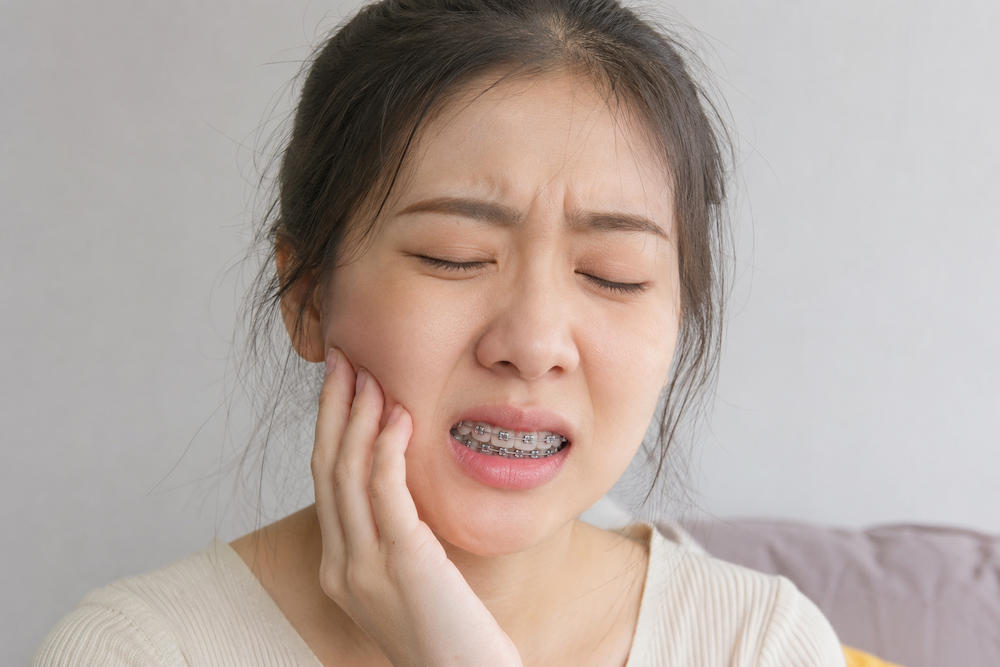
Brace discomfort is one of the biggest concerns before orthodontic treatment. Many patients worry that braces will hurt every day. However, most discomfort is temporary. Also, most symptoms have simple ways to manage them.
Braces move teeth through gentle and controlled force. Therefore, your teeth, gums, cheeks, lips, and jaw muscles need time to adapt. You may feel sore after the first fitting. You may also feel pressure after each adjustment. In most cases, the strongest discomfort lasts only a few days.
Still, you should know what is normal and what is not. Mild soreness, mouth rubbing, and short-term chewing weakness often happen. However, severe pain, heavy bleeding, or strong jaw limitation needs dental attention.
This guide explains seven common problems. It also shows why they happen and how to relieve them at home. As a result, you can feel calmer and more prepared.
Tooth Soreness After Braces Fitting
Tooth soreness often appears after you first get braces. It can also happen after wire changes or adjustments. Usually, the teeth feel tender, soft, or weak. Even biting soft food may feel uncomfortable.
This happens because orthodontic force affects the periodontal ligament. This ligament surrounds each tooth root. As the tooth starts moving, the area reacts. Therefore, mild inflammation and pressure can appear.
Common signs include:
- Sore teeth when biting
- Weak chewing strength
- Tenderness when touching teeth
- Pressure after adjustment
- Discomfort for two to five days
Fortunately, this soreness usually fades. Many patients feel better after several days. Also, the mouth often adapts with each visit.
Helpful tips include:
- Eat soft foods first.
- Choose porridge, soup, eggs, yogurt, or mashed potatoes.
- Let hot food cool before eating.
- Brush gently but thoroughly.
- Ask your dentist before taking pain medicine.
Do not stop cleaning your teeth because of soreness. Instead, brush more gently. Clean teeth help reduce gum irritation and support healthy movement.
Mouth Sores From Brackets and Wires
Brackets and wires can rub against the lips and cheeks. At first, the mouth may feel scratched. Then, small white spots or ulcers may appear. Talking, drinking, and eating may feel painful.
This happens because the mouth has not adapted to the appliance yet. Braces create new edges and surfaces. Therefore, the inner cheeks and lips need time to toughen slightly. Most people adapt within one to three weeks.
Common symptoms include:
- Red spots inside the lips
- Cheek irritation
- Small mouth ulcers
- Pain when drinking acidic drinks
- Rubbing from a wire end
Orthodontic wax helps a lot. Dry the bracket first. Then, roll a small piece of wax into a ball. Press it onto the rough bracket or wire. Replace it after meals if it falls off.
You can also try these steps:
- Drink enough water.
- Avoid spicy food during ulcers.
- Use wax before sleep.
- Call your dentist if a wire pokes.
- Do not cut wires at home.
If a wire end hurts, the clinic can trim or adjust it safely.
Loose Teeth During Orthodontic Treatment
Some patients feel scared when teeth seem slightly loose. However, mild tooth mobility can happen during orthodontic treatment. It does not always mean something is wrong.
Teeth move through bone remodeling. One side of the bone changes, while the other side rebuilds. During this process, the tooth may feel less firm than usual. Later, the bone stabilizes again.
This kind of movement can feel strange. However, it should stay mild. You should not test it repeatedly with your fingers or tongue. That habit can make you more anxious. It can also irritate the tissues.
What you should do:
- Avoid shaking the tooth on purpose.
- Keep brushing and flossing.
- Avoid hard nuts and sticky candy.
- Do not bite pens or fingernails.
- Follow your adjustment schedule.
However, contact your dentist if the looseness feels severe. Also, seek help if you notice strong pain, swelling, bleeding, or difficulty eating. These signs may need professional evaluation.
In short, mild movement can be part of treatment. Yet obvious looseness should not be ignored.
Bite Changes and Chewing Difficulty
Many patients notice that their bite feels strange after braces. Some teeth may not touch. Others may hit a bracket. Also, chewing can feel less efficient for a while.
This happens because braces have thickness. They also change tooth position step by step. Therefore, the bite can pass through awkward phases. These phases often improve as treatment continues.
You may notice:
- Certain teeth cannot bite together.
- Food feels harder to chew.
- One tooth touches too early.
- A bracket hits the opposite tooth.
- The bite feels unbalanced.
Usually, this does not mean treatment has failed. Instead, it often means your bite is changing. However, strong bite pain needs attention.
Ways to manage it include:
- Chew slowly.
- Use back teeth when possible.
- Cut food into smaller pieces.
- Avoid hard or chewy food.
- Ask the dentist about bite pads.
Sometimes, the dentist may add small blue bite pads. These pads protect brackets and reduce strong contact. Do not grind your teeth or adjust brackets yourself. Let your orthodontic team handle bite issues.
Dry Mouth, Extra Saliva, and Metallic Taste
Braces can change how your mouth feels. Some patients notice dry mouth. Others notice more saliva. Some people also taste metal, especially with metal brackets.
These changes happen because braces stimulate the mouth. Your salivary glands may react to the new appliance. Also, metal parts may create a slight taste for sensitive patients.
Common feelings include:
- Dry mouth
- More frequent swallowing
- Extra saliva
- Mild metallic taste
- Sour or unusual taste
Usually, these symptoms improve as the mouth adapts. However, dry mouth can increase irritation. Therefore, hydration matters.
Helpful steps include:
- Sip water often.
- Use sugar-free lozenges if needed.
- Choose alcohol-free mouthwash.
- Rinse after meals.
- Keep lips moisturized.
- Avoid smoking.
If the metallic taste feels strong, rinse more often. Also, keep the braces clean. Food and plaque can make taste problems worse.
Tell your dentist if dry mouth stays severe. Also, mention burning, numbness, or lasting taste changes. These symptoms may need further checks.
Gum Swelling and Bleeding
Gum swelling is common during braces treatment. However, braces usually do not cause gum disease by themselves. Instead, food and plaque collect more easily around brackets and wires.
When plaque stays near the gumline, the gums react. They may become red, puffy, and tender. They may also bleed during brushing. Therefore, cleaning becomes even more important during orthodontic care.
Common signs include:
- Red gum edges
- Bleeding while brushing
- Puffy gum tissue
- Food trapped around brackets
- Soreness after meals
- Bad breath
Better cleaning can improve many cases. Use an orthodontic toothbrush. Brush above and below each bracket. Then, clean under the wire with an interdental brush.
Useful tools include:
- Orthodontic toothbrush
- Interdental brush
- Floss threader
- Water flosser
- Alcohol-free mouthwash
A water flosser helps remove food. However, it does not replace brushing. You still need to brush carefully every day.
If swelling or bleeding gets worse, visit your dentist. You may need professional cleaning or gum care.
Jaw Tension, Headache, and Neck Soreness
Some patients feel headaches during early treatment. Others feel tension near the temples, ears, jaw joints, or neck. This can happen after fitting or adjustment.
Braces can change bite contact. As a result, chewing muscles may work differently. The jaw joints may also need time to adapt. Usually, mild tension improves with rest and gentle habits.
Possible symptoms include:
- Temple pressure
- Jaw muscle soreness
- Ear-area discomfort
- Neck tightness
- Mild headache
- Tired chewing muscles
You can try simple relief methods:
- Apply a warm towel.
- Rest the jaw.
- Eat soft food.
- Avoid gum chewing.
- Avoid wide mouth opening.
- Keep teeth slightly apart when resting.
A helpful rest position is simple. Close your lips gently. Then, keep your teeth slightly apart. Let your jaw relax for one or two minutes.
However, contact your dentist if symptoms become severe. Also, seek help if you cannot open your mouth normally. Painful clicking or locking also needs attention.
Foods to Choose During Braces Discomfort
Food choice can make treatment easier. During sore days, soft food helps reduce pressure. It also lowers the risk of bracket damage.
Good choices include:
- Yogurt
- Scrambled eggs
- Steamed eggs
- Soft noodles
- Rice porridge
- Mashed potatoes
- Soup
- Smoothies
- Soft fish
- Tofu
However, avoid foods that stress braces. Hard and sticky foods can loosen brackets. They can also bend wires.
Try to avoid:
- Hard nuts
- Ice cubes
- Sticky candy
- Chewy caramel
- Hard bread crust
- Popcorn kernels
- Whole apples
- Tough meat
Instead, cut food into small pieces. Also, chew slowly. This reduces soreness and protects your appliance.
After eating, check your braces in a mirror. Food often hides around brackets. Therefore, rinse and clean as soon as possible.
Better food choices help you stay comfortable. They also protect your treatment progress.
Daily Cleaning Tips With Braces
Good cleaning reduces many orthodontic problems. It can prevent gum swelling, bad breath, and white spots. It can also reduce irritation around brackets.
Brush after meals when possible. If you cannot brush, rinse with water first. Then, clean carefully when you return home.
A simple routine includes:
- Brush for at least two minutes.
- Angle the brush toward the gumline.
- Brush above each bracket.
- Brush below each bracket.
- Clean chewing surfaces.
- Brush the tongue gently.
- Use an interdental brush under wires.
- Floss once daily.
Also, replace your toothbrush often. Braces wear out bristles faster. A damaged brush cleans less effectively.
Do not brush too hard. Strong pressure can irritate gums. Instead, use small movements and steady attention.
If you struggle with flossing, ask your orthodontic team. They can show you floss threaders or special orthodontic floss. Good technique matters more than force.
When to Contact Your Orthodontist
Most braces discomfort improves at home. Still, some signs need professional advice. Do not wait if pain feels unusual or severe.
Contact your orthodontist if you notice:
- Wire poking that wax cannot cover
- Severe tooth pain
- Heavy gum bleeding
- Loose bracket
- Broken wire
- Strong tooth mobility
- Swelling with fever
- Bad taste with pus
- Jaw locking
- Difficulty opening the mouth
- Pain that does not improve
Also, call if a temporary problem affects eating or speaking. Small adjustments can make treatment much easier.
Never repair braces with household tools. Also, do not remove brackets or bend wires yourself. These actions can delay treatment. They can also injure your mouth.
Your orthodontic team expects small problems during treatment. Therefore, do not feel embarrassed to ask for help. Early advice often prevents bigger issues.
Emotional Tips for New Braces Patients
Braces can feel overwhelming at first. The mouth feels different. Eating changes. Speaking may also feel strange for a few days. However, adaptation usually comes faster than expected.
A calm mindset helps. Most discomfort has a reason. Also, most symptoms have a solution. When you understand the process, you feel more in control.
Helpful habits include:
- Prepare soft foods before appointments.
- Keep orthodontic wax with you.
- Carry a small cleaning kit.
- Take photos to track progress.
- Ask questions during visits.
- Follow care instructions.
Also, remember that orthodontics is a journey. Teeth do not move overnight. Small changes add up over time. Some weeks may feel easy. Other weeks may feel more sensitive.
Still, each adjustment supports the final goal. With patience and good care, the process becomes more manageable.
FAQ
Is braces pain normal?
Yes, mild soreness is normal after braces fitting or adjustment. It usually improves within a few days.
How long does braces discomfort last?
Most discomfort lasts two to seven days. Mouth rubbing may take one to three weeks to improve.
What can I eat when my braces hurt?
Choose soft foods. Good options include yogurt, soup, eggs, noodles, tofu, and mashed potatoes.
Do loose teeth during braces mean danger?
Mild looseness can happen during tooth movement. However, severe looseness or strong pain needs dental attention.
Why do braces cause mouth ulcers?
Brackets and wires may rub the cheeks and lips. Orthodontic wax can reduce friction and protect sore areas.
Can I use mouthwash with braces?
Yes, alcohol-free mouthwash can help. However, use medicated mouthwash only as your dentist advises.
When should I call my orthodontist?
Call if you have severe pain, broken wires, loose brackets, heavy bleeding, jaw locking, or swelling.
Summarize
Brace discomfort can happen during orthodontic treatment, especially after the first fitting or adjustment. Common issues include tooth soreness, mouth ulcers, mild tooth mobility, bite changes, dry mouth, gum swelling, and jaw tension. However, most symptoms improve within days or weeks.
The key is simple. Eat soft foods, clean carefully, use orthodontic wax, protect your gums, and contact your orthodontist when symptoms feel unusual. Also, never adjust wires or brackets by yourself. With the right care, orthodontic treatment becomes easier, safer, and more comfortable.