


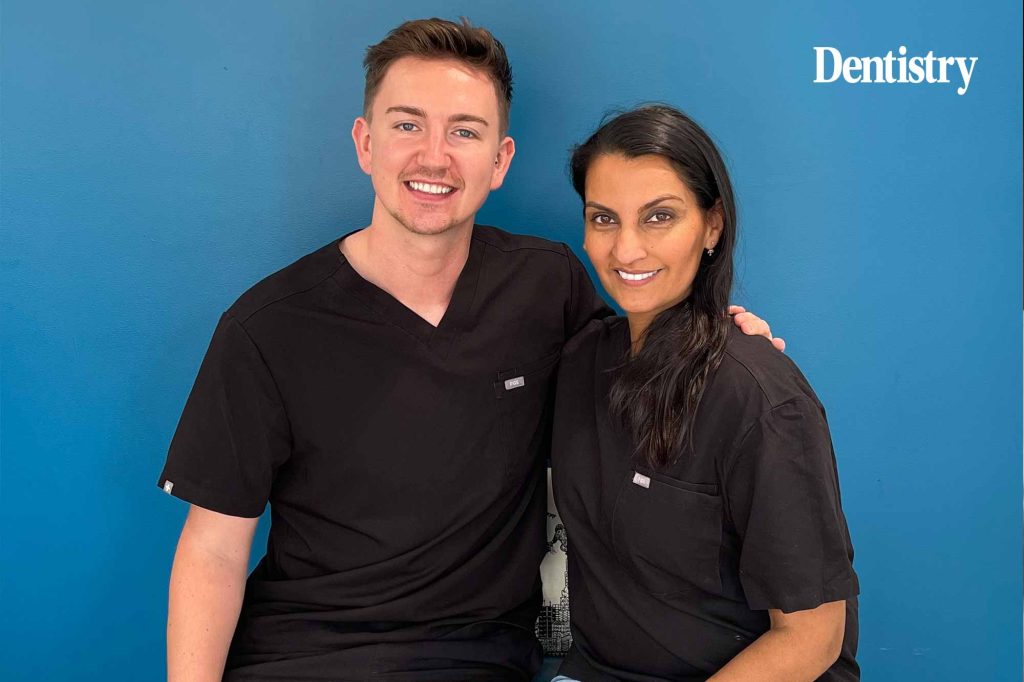
Robbie Stewart talks through his journey working as a fully utilised dental therapist in a private practice and some of his key wins – from building patient trust to easing the workloads of dentists.
When I moved from Newcastle to London earlier this year, I was told it would be ‘near impossible’ to find a dental therapy role. London, they said, was too competitive, and most practices kept restorative work with the dentists.
I didn’t buy it.
In Newcastle, my scope was fully utilised in both NHS and private settings – one being Smmmile Dental, where I built a strong therapy list in a practice that had previously left most restorative work to dentists. I’d seen first-hand how much value a confident therapist could bring. The challenge now was proving it in a brand-new city, in a fully private clinic, with patients who had never met me before.
Starting at ProDenta
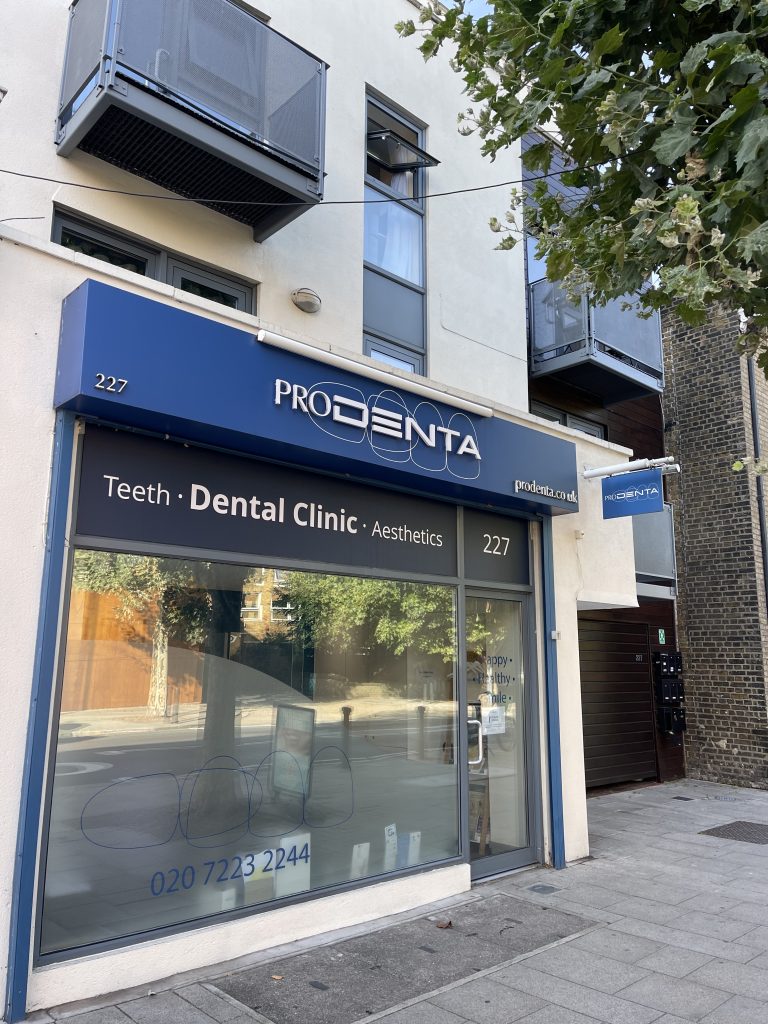
ProDenta is a two-surgery, fully private practice with a mix of specialists and GDPs. When I joined, Dr Shubhra, the principal, initially brought me in to help with hygiene – which made sense, especially with one associate on maternity leave.
But I could see an opportunity. Therapy could support the practice clinically and financially. My business mindset comes from time spent in industry as well as chairside, so I knew that a fully utilised therapist can help maintain revenue, ease dentist workload, and improve patient experience.
I also had something tangible to show: a portfolio of my work, plus my Instagram case log. This made it easy for Shubhra to visualise exactly how therapy could slot into the practice.
Step 1 – build trust through your own exams
From the start, I made sure my hygiene appointments included exams. I picked up on a few patients who were well overdue so I would offer this on the spot. This allowed me to generate my own treatment plans and position myself as both a preventive and restorative clinician.
By consistently carrying out thorough exams, clearly explaining treatment options, and delivering high-quality results, I built trust with patients, the nursing team, and eventually with Shubhra herself.
For therapists: Use exams as a springboard to demonstrate your scope and skill.
For dentists: Seeing your therapist manage diagnosis and follow-through builds confidence in delegating treatment.
Step 2 – control the language
Patient perception starts with the first point of contact. If reception says ‘You’re seeing the hygienist’, patients naturally expect hygiene treatment – not restorative therapy plans.
We changed it to: ‘You have a hygiene appointment with Robbie, our dental therapist today.’
This differentiates the role and invites conversation. Many patients ask, ‘What’s a dental therapist?’ – giving me a chance to explain my scope and build confidence before treatment even begins.
For therapists: Train your team to use your title.
For dentists: This clarity increases patient understanding and case acceptance.
Step 3 – be intentional with booking
We agreed that, where appropriate, patients booking an exam and hygiene, or an exam alone, could be scheduled with me. This means I can examine, treatment plan, and then deliver therapy work in follow-up appointments.
We’d also extend hygiene slots for restorative treatment, if we noticed any incomplete treatment plans. This booking approach ensures I’m positioned to manage a broader range of cases.
For therapists: Position yourself at the diagnosis stage where possible.
For dentists: This approach maintains workflow while maximising chair time.
Step 4 – mind your phrasing with patients
When patients need treatment, small changes in how you phrase things can make a big difference. Asking, ‘Would you like to book with me or with Dr Shubhra?’ often leads them to choose the dentist. Instead, I say:
‘I’ll book that in with myself – is that okay?’
It’s still their choice, but the confidence in delivery makes them more comfortable booking with me.
For therapists: Confidence is key – patients follow your lead.
For dentists: Confident communication from your therapist builds trust and acceptance.
Step 5 – add value beyond your list
I integrated digital scanning into my workflow, particularly for new patients. This supports clinical records and opens discussions about whitening, aligners, and other treatments. That generates opportunities not just for me, but for the dentists too.
For therapists: Look for tools that create conversations.
For dentists: A proactive therapist can help grow elective treatment uptake.
Early results
Four months in, we’ve already seen clear benefits:
- No drop in practice revenue, despite one associate being on maternity leave
- Increased patient understanding and acceptance of the dental therapist role
- Referrals from Shubhra for restorative treatments, which only began once I had proven myself through my own exams, delivered high-quality treatment, and received positive feedback from patients and the team.
One example: a new patient booked for an exam and hygiene left with a clear treatment plan for both restorative work with me and aligner treatment with Shubhra – all mapped out in a single visit.
Applying it elsewhere
I’m now using the same approach at DRMR, another fully private practice. Starting from day one with clear role definition, confident communication, and collaborative booking ensures the therapist’s scope is recognised and utilised from the start.
Final thoughts
If you’re a dental therapist wanting to expand beyond a hygiene-heavy list, the steps are simple:
- Build trust through your own exams
- Control how your role is presented to patients
- Position yourself at the diagnosis stage
- Communicate confidently
- Create value for the whole practice, not just your list.
And for dentists, a confident therapist isn’t just another pair of hands; they’re a partner in patient care, revenue stability, and practice growth.
When both sides see the value, everybody wins – especially the patients.