This case presentation features a teenager’s journey to corrected occlusion using ClearX (K Line Europe) invisible aligners. The journey to a harmonious smile is often complex and requires meticulous planning, especially in cases that present with both aesthetic and functional challenges. In the case of this 17-year-old female patient, the clinical findings necessitated a carefully strategized treatment plan using ClearX aligners to address her specific orthodontic needs.
Clinical findings and treatment objectives
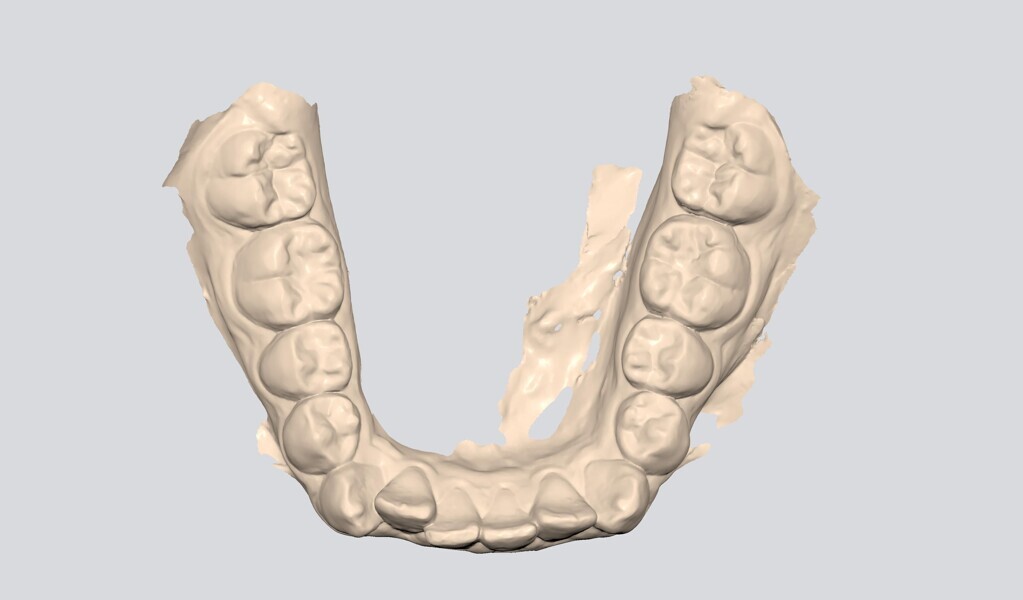
The patient’s initial assessment revealed a bilateral quarter-unit Class II canine relationship, black corridors, mild crowding and a slight mandibular midline shift (Figs. 1–10). These findings were significant, as they not only affected her smile aesthetically, but could potentially lead to functional issues in the future. The treatment objectives were clear: to correct the malocclusion; realign the dental arches into a more natural, parabolic shape; address the crowding; and correct the midline shift to improve both dental function and facial aesthetics.
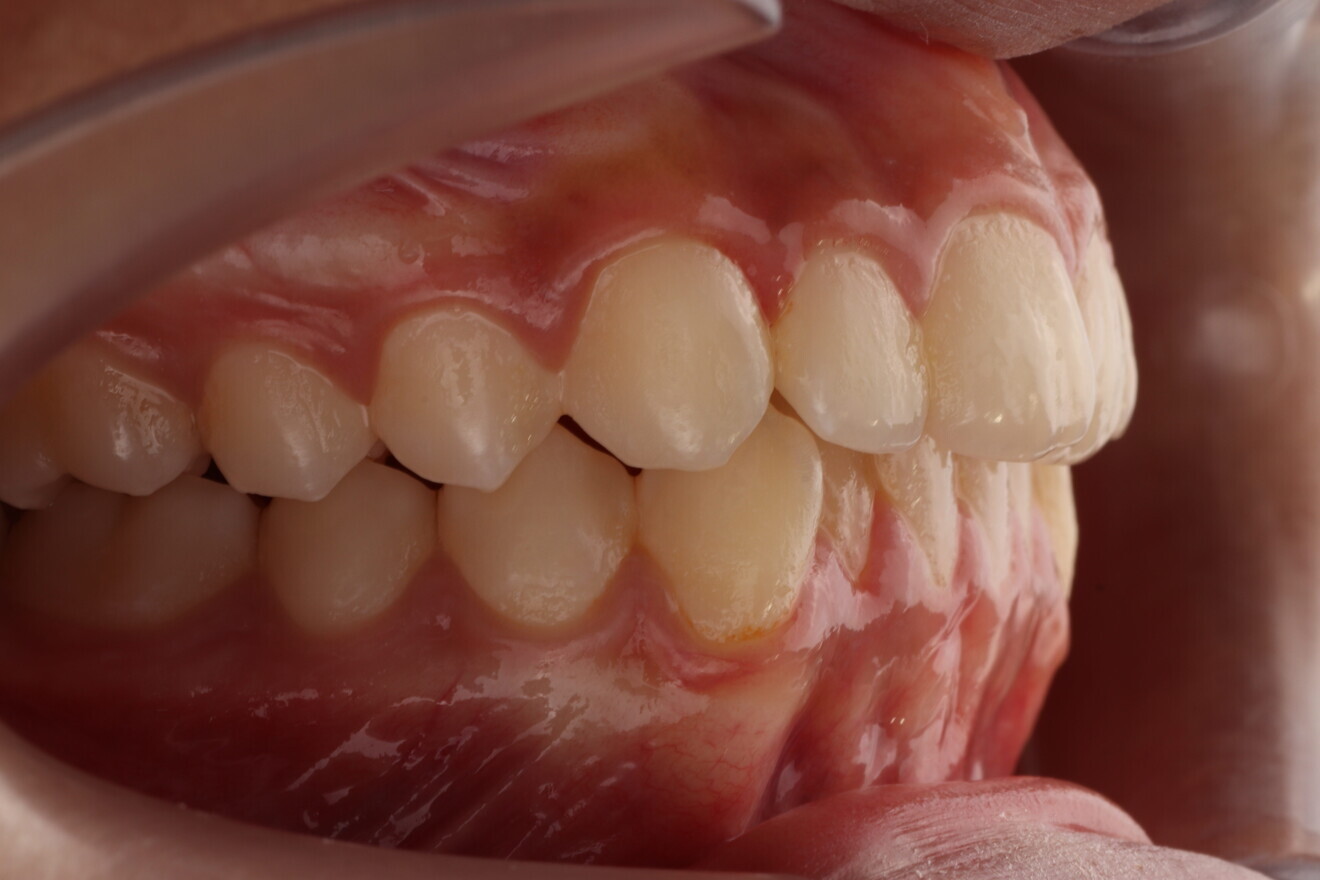
Fig. 2
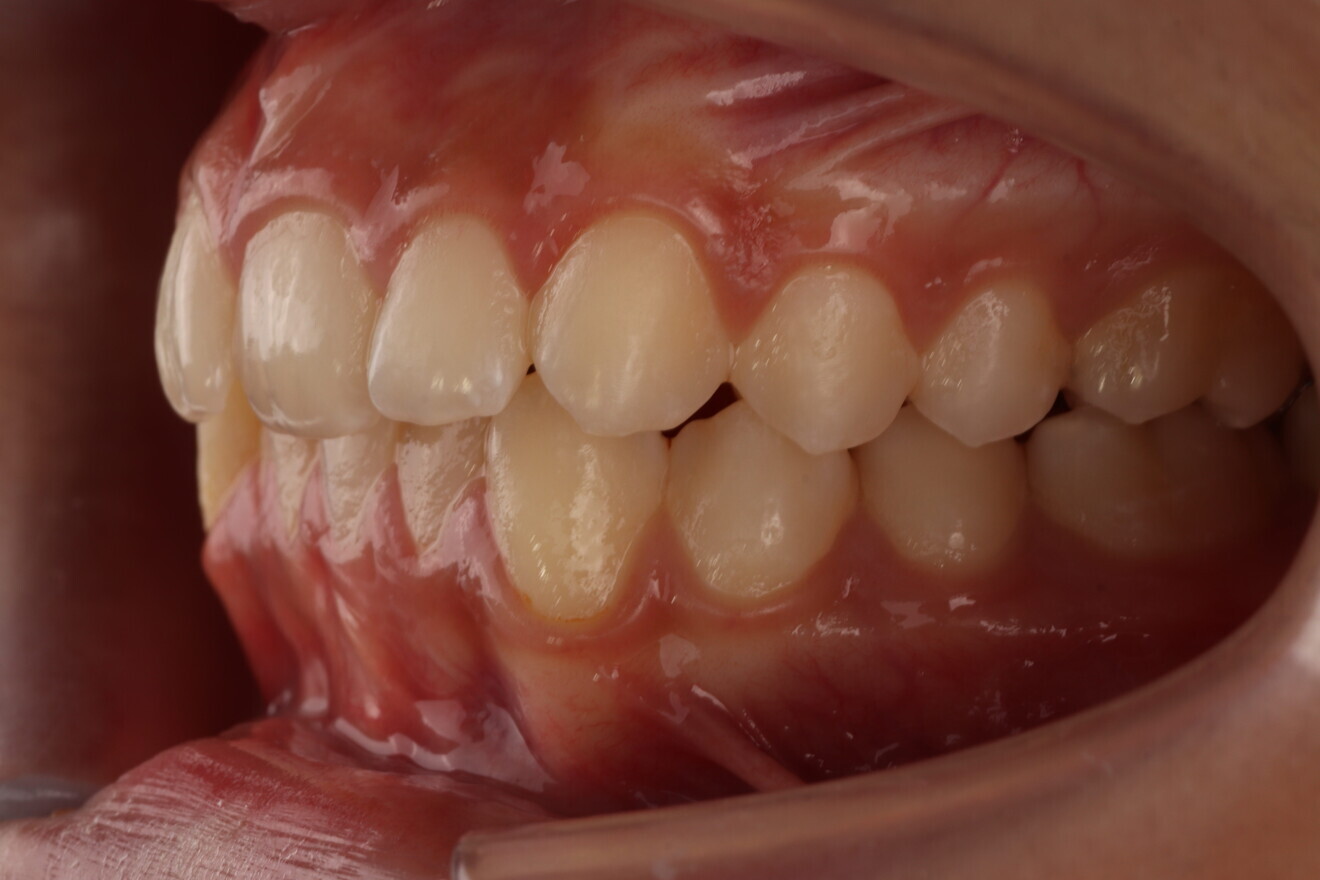
Fig. 3
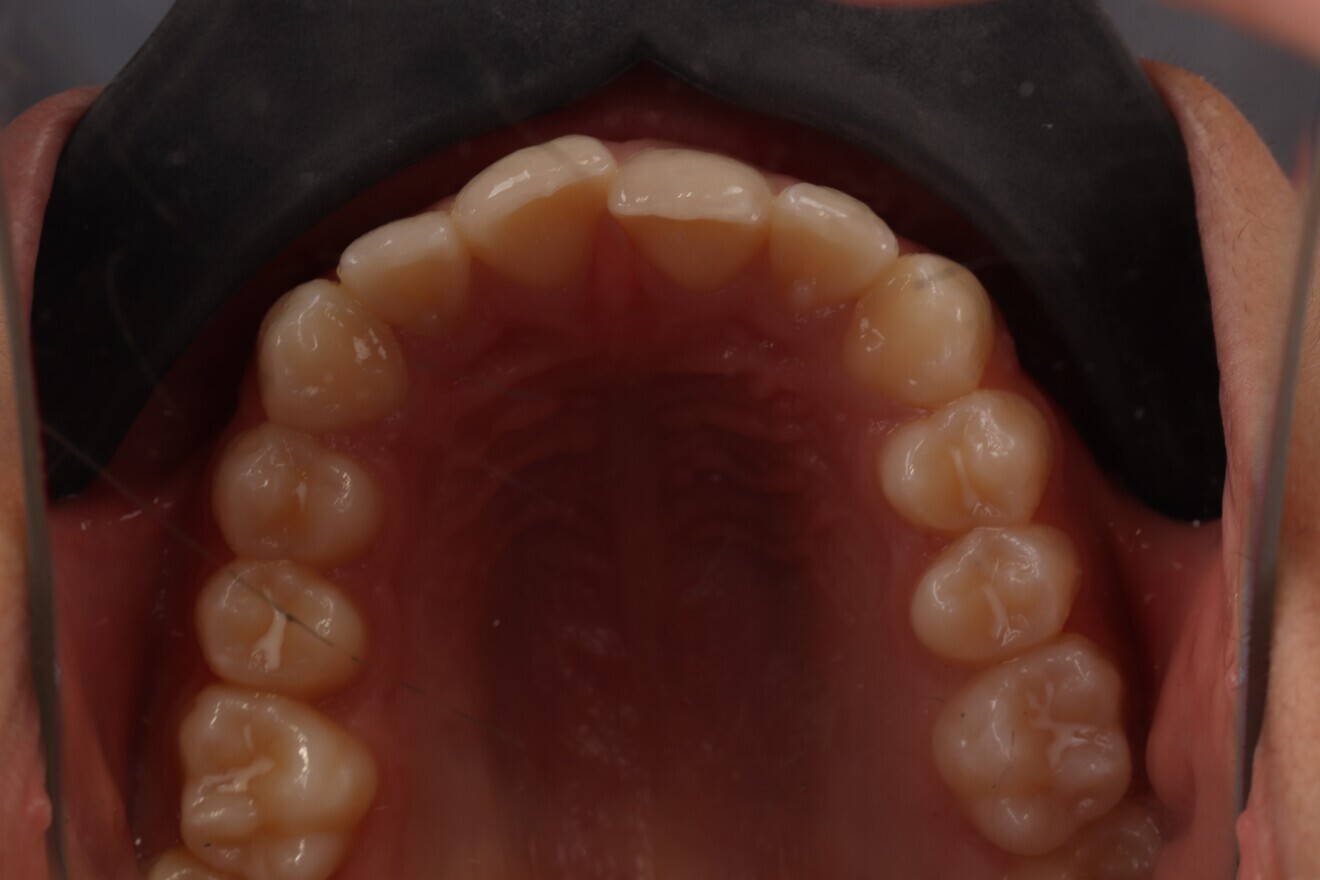
Fig. 4
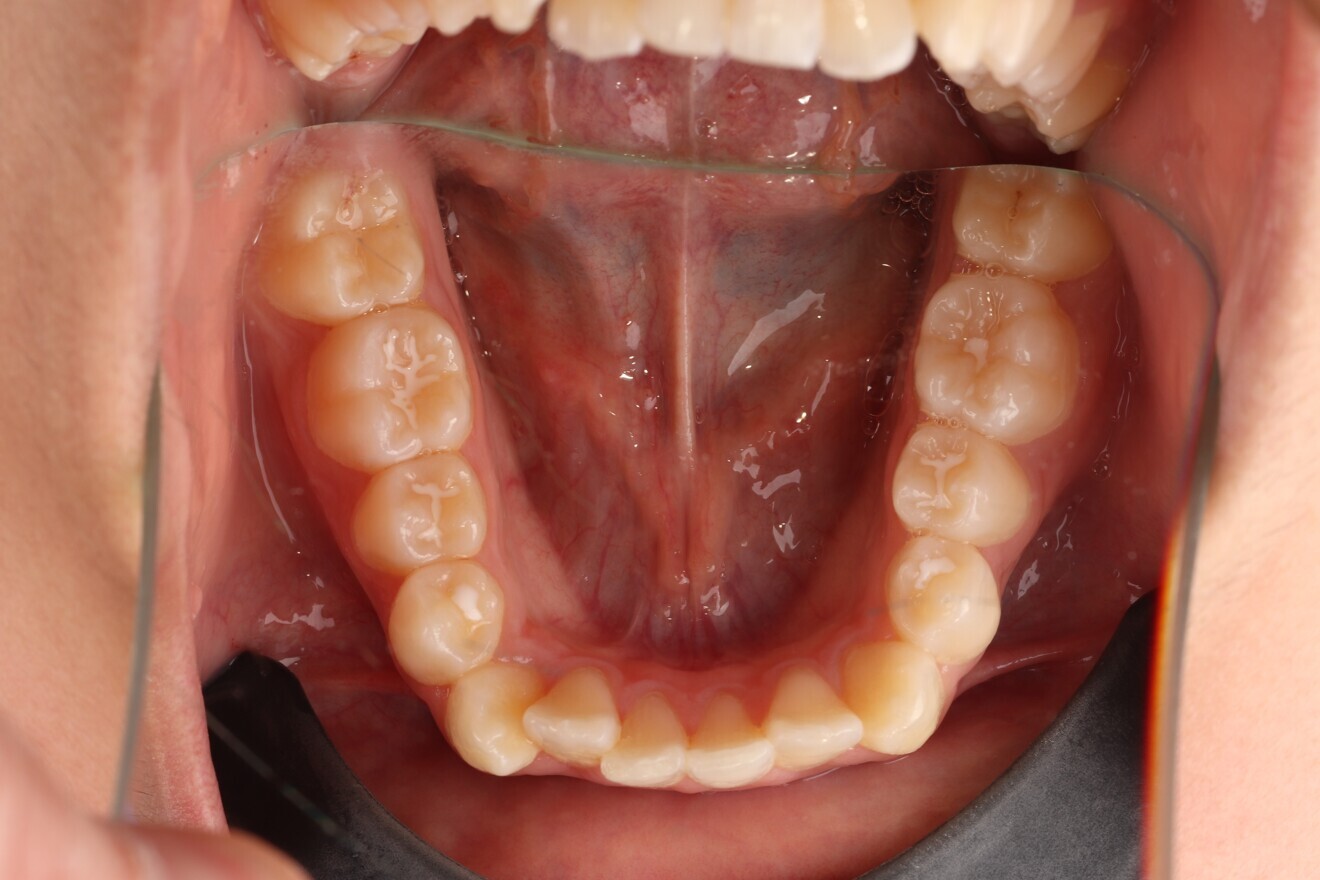
Fig. 5
Treatment plan and execution
The treatment plan was devised to span over one year, and treatment involved the following key phases:
-
- Arch expansion: To address the black corridors and create room for the canines to move into their correct positions, arch expansion was carried out. This initial phase was crucial in laying the groundwork for subsequent alignment.
- Sequential distalisation: Achieving a Class I canine relationship was essential for a proper masticatory function and a stable bite. Sequential distalisation was performed, utilising Class II elastics to assist in this movement. Special hooks were integrated into the aligners to facilitate the use of elastics, as well as some movements required in the planning. Medium-force elastics were used with aligner hooks to avoid the bending and deforming of hooks that occurs with heavy-force elastics.
- Anterior segment rounding and alignment: The arches having been expanded and the canines moving into place, focus was then placed on the anterior segment. Rounding and alignment procedures were executed to straighten the teeth and achieve a rounded arch form, contributing to a more pleasing smile line (Figs. 11–20).
- Final refinement and occlusion settling: The final phase of treatment involved detailed refinement to ensure each tooth was ideally positioned. Additionally, occlusion settling was performed to ensure that the maxillary and mandibular teeth worked together harmoniously (Figs. 21–25).