


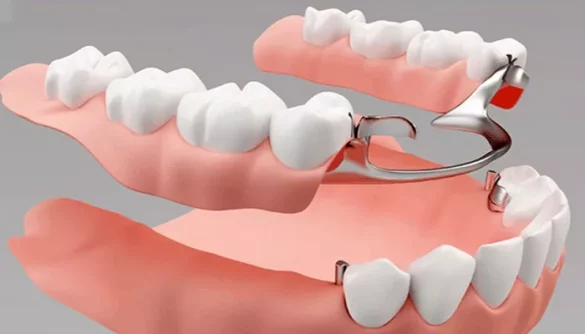
Magnetic dentures are an innovative solution for patients who need partial or full dentures. Unlike traditional dentures, they use magnets to secure the denture to dental implants or existing teeth. This technology offers improved stability, comfort, and functionality, especially for people with sensitive teeth or those prone to gum disease. In 2025, magnetic dentures are becoming more popular due to their effectiveness and convenience.
How Magnetic Dentures Work
Magnetic dentures function using small magnets embedded in the denture base. These magnets align with corresponding magnetic attachments on implants or natural teeth. The magnetic attraction keeps the denture in place while allowing easy removal for cleaning. This system reduces the need for adhesives, which can irritate sensitive gums and exacerbate gum disease. Patients benefit from better chewing efficiency and improved speech clarity.
Magnetic Dentures vs. Traditional Dentures
Traditional dentures rely on suction and adhesives to stay in place. Magnetic dentures, however, provide a firmer and more reliable attachment. This reduces movement and discomfort. They are especially advantageous for patients with sensitive teeth or weak jawbones. Additionally, magnetic dentures lower the risk of gum irritation, a common issue with conventional dentures.
Factors Affecting Magnetic Denture Costs
The cost of magnetic dentures varies depending on multiple factors. Understanding these can help patients plan their treatment more effectively.
Type of Denture
Magnetic dentures come in full and partial types. Full dentures replace all teeth, while partial dentures replace only some teeth. Full dentures typically cost more due to the complexity of the design and the number of magnets required. Partial dentures may be less expensive but still involve precision engineering to ensure proper fit and magnetic alignment.
Material Quality
The materials used in magnetic dentures influence the price. High-quality acrylic or porcelain teeth, along with strong neodymium magnets, increase durability and comfort but add to the cost. Cheaper materials may reduce the price but can wear down faster and cause irritation to sensitive gums.
Implant or Natural Tooth Attachments
Some magnetic dentures attach to dental implants, while others attach to natural teeth. Dentures attached to implants are more stable but also more expensive due to surgical procedures and implant costs. Dentures that attach to natural teeth may require less investment but need careful alignment to avoid damaging remaining teeth or aggravating gum disease.
Location and Dental Clinic Fees
The cost of magnetic dentures varies by geographic location and dental clinic. Clinics in metropolitan areas often charge higher fees. Additionally, experienced prosthodontists may charge more due to their specialized skills in fitting magnetic dentures accurately.
Customization and Adjustments
Custom-fit dentures that require multiple fittings and adjustments can increase costs. Magnetic dentures often need precise alignment to avoid pressure points on sensitive gums or underlying bone. Clinics may charge extra for these customizations and ongoing adjustments to maintain comfort and functionality.
Average Costs of Magnetic Dentures in 2025
In 2025, magnetic denture costs can vary widely based on the factors mentioned above. Here is a general breakdown:
Partial Magnetic Dentures
Partial magnetic dentures typically range from $1,500 to $4,000 per arch. The exact price depends on material quality, the number of magnets used, and the complexity of attachment to natural teeth.
Full Magnetic Dentures
Full magnetic dentures range from $3,000 to $8,000 per arch. If dental implants are required, total costs can increase significantly, sometimes exceeding $10,000 for both upper and lower arches. These costs include the denture fabrication, implant placement, and follow-up care.
Maintenance and Replacement Costs
Magnetic dentures require periodic maintenance to ensure the magnets remain effective and the denture fits well. Replacement of worn magnets or teeth can cost $200 to $800. Routine dental visits for gum health checks, especially for patients with sensitive teeth or gum disease, are recommended to avoid complications.
Insurance Coverage for Magnetic Dentures
Some dental insurance plans cover part of the cost of magnetic dentures, especially if they are deemed medically necessary.
Coverage may vary depending on the policy and whether implants are involved. Patients should check with their insurance provider to understand benefits and out-of-pocket expenses.
Advantages of Magnetic Dentures
Magnetic dentures offer several benefits compared to traditional dentures:
Improved Stability
Magnets provide secure attachment, reducing slippage during chewing or speaking. This is particularly beneficial for patients with sensitive teeth or weakened gums.
Comfort and Ease of Use
Magnetic dentures are easier to remove and clean, reducing irritation to sensitive gums. Patients can maintain better oral hygiene, lowering the risk of gum disease and infections.
Enhanced Chewing Efficiency
With a stable fit, patients can chew a wider variety of foods comfortably. This improves nutrition and overall oral health.
Preservation of Bone and Gum Tissue
Magnetic dentures help distribute chewing forces evenly, reducing pressure on the jawbone and preventing further gum recession or bone loss. This is critical for patients at risk of gum disease.
Potential Drawbacks and Considerations
Despite their advantages, magnetic dentures have some limitations:
Higher Initial Cost
The upfront investment is higher compared to traditional dentures. Patients should weigh the long-term benefits against the cost.
Magnet Wear and Replacement
Magnets can weaken over time, requiring replacement. Regular dental check-ups are essential to ensure the denture remains functional and comfortable.
Not Suitable for Everyone
Patients with severe gum disease or significant bone loss may not be ideal candidates. In such cases, additional treatments or alternative denture types may be recommended.
Caring for Magnetic Dentures
Proper care is crucial to extend the life of magnetic dentures and protect oral health:
Daily Cleaning
Remove dentures daily and clean with a soft brush and non-abrasive cleanser. This prevents plaque buildup and protects sensitive gums from irritation.
Check Magnet Integrity
Regularly inspect the magnets for signs of corrosion or weakening. Replace magnets promptly to maintain a secure fit.
Maintain Gum Health
Use antiseptic mouth rinses and brush remaining natural teeth carefully. This helps prevent gum disease, especially around areas where dentures attach.
Routine Dental Visits
Schedule dental check-ups at least twice a year. Professional cleaning and monitoring prevent issues related to sensitive teeth or gum disease and ensure denture longevity.
Conclusion
Magnetic dentures in 2025 offer a modern solution for improved comfort, stability, and oral health. While costs can be higher than traditional dentures, the benefits for patients with sensitive teeth, gum disease, or jawbone concerns are significant. By understanding the factors affecting price, maintenance requirements, and insurance coverage, patients can make informed decisions about investing in magnetic dentures. Proper care and regular dental visits ensure that these dentures remain a durable and effective option for years to come.