


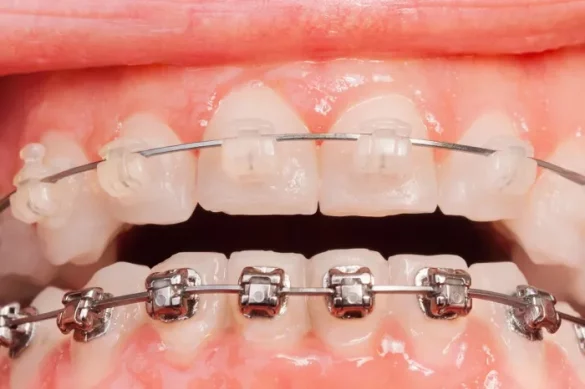
For people considering orthodontic treatment, the choice between ceramic and metal braces often comes down to factors like appearance, comfort, durability, and cost. Ceramic braces are widely known for their subtle look, blending in with natural tooth color. However, many patients wonder if ceramic braces are more expensive than traditional metal braces, and what justifies the cost difference. This article explores the costs, benefits, and downsides of ceramic braces, helping you decide if they are the right option for your smile.
What Are Ceramic Braces?
Ceramic braces, sometimes referred to as “clear braces,” use brackets crafted from polycrystalline alumina, a material that can be transparent or tooth-colored. The purpose of ceramic braces is to make orthodontic treatment less noticeable. Even the archwire that connects the brackets can be made in white or frosted colors, further decreasing visibility. This technology appeals especially to older teenagers and adults who prefer a discreet orthodontic solution.
How Do Ceramic Braces Differ from Metal Braces?
Both ceramic and metal braces function on the same principle: they use brackets and wires to apply pressure and gradually shift teeth into the correct position. The key distinction lies in the material. Metal braces are made of medical-grade stainless steel, making them highly durable and reliable. In contrast, ceramic braces use a less robust, but more visually subtle, material for the brackets. This material difference results in pros and cons for each type, particularly when it comes to cost and performance.
The Cost of Ceramic Braces
Ceramic braces are generally more expensive than metal braces. On average, ceramic braces cost between $4,000 and $8,000 for the complete course of treatment. In comparison, metal braces typically cost between $3,000 and $6,000. These price ranges include the appliances, orthodontic visits, and usually any post-treatment retainers.
The added cost of ceramic braces is due to the expense of the materials used and the extra skill required to place and maintain them. While the price varies by geographical location, provider, and the complexity of the case, the consensus among orthodontists is that ceramic braces will add at least $1,000 to $2,000 to the total cost, compared to traditional metal braces.
Factors That Influence the Cost of Ceramic Braces
Materials and Appearance
The polycrystalline alumina material used for ceramic braces is more costly to manufacture and more fragile than stainless steel. Because these brackets are tooth-colored or clear, they meet the demand for a more aesthetically pleasing appearance, justifying the higher price for many patients.
Durability and Maintenance
Ceramic brackets are less durable than metal ones. The increased risk of breakage or fracturing leads to more frequent orthodontic visits for repairs or adjustments, which can contribute to higher overall costs. These additional maintenance needs can prolong the length of treatment as well.
Complexity of Case
More complicated dental corrections will require a longer treatment period, possibly increasing the cost of any type of braces. However, since ceramic braces are more fragile, complex cases may see further cost increases if brackets need replacing often.
Insurance Coverage
Most dental insurance plans do not cover the full cost of braces for adults, and some only offer partial coverage for children. If you are selecting ceramic braces primarily for cosmetic reasons, be aware that this may not be seen as medically necessary, and your insurance may not contribute at all. This can make the out-of-pocket difference between metal and ceramic braces even greater.
Pros of Ceramic Braces
Discreet Look
Ceramic braces are popular because their brackets are less visible and blend in with the teeth. This allows wearers to feel less self-conscious during treatment, which is especially appealing for adults and older teens in social or professional settings.
Customization
Ceramic braces can be paired with archwires and elastic ties in many different colors, giving patients the ability to match their style or keep their braces nearly invisible.
Comparable Effectiveness
Because they use similar technology, ceramic braces are just as effective as metal braces for most orthodontic cases. They typically work faster than clear aligners in correcting mild to moderate teeth misalignment.
Cons of Ceramic Braces
Higher Cost
The most noticeable drawback is the higher cost compared to metal braces, often due to material expense and increased maintenance needs.
Greater Fragility
Ceramic brackets are more likely to break than metal brackets. Studies show they are twice as likely to fracture under normal biting or chewing forces. This fragility can lengthen treatment time and further increase costs, as brackets may need to be replaced.
Staining Potential
Although the ceramic material itself resists stains, the elastic ties used to hold the wire to the brackets can become discolored by foods, drinks, or smoking. Regular cleaning and dietary care are necessary to keep the braces looking their best.
Gum Sensitivity and Oral Hygiene Challenges
Ceramic brackets are often larger than their metal counterparts. This can make it harder to clean around the brackets and maintain gum health, potentially leading to sensitivity or receding gums if oral hygiene is not maintained.
How Do the Costs Compare to Other Options?
When comparing orthodontic treatments, metal braces remain the more affordable choice, while ceramic braces are a mid-range option in terms of cost. Clear aligners, like Invisalign, can range from $3,000 to $8,000, depending on the case. Ceramic braces appeal to patients who want a more discreet treatment than metal braces, but at a lower price point than some clear aligner options. Still, patients need to weigh the personal value of discrete appearance against the added expense.
Are Ceramic Braces Right for You?
Ceramic braces are best for patients who have all adult teeth and are not at high risk of bracket breakage—such as those who do not play contact sports or have severe bite issues. This option is ideal for those who value aesthetics highly and are willing to pay more for subtle treatment, while committing to rigorous oral hygiene and dietary limitations.
Conclusion
Ceramic braces are indeed more expensive than traditional metal braces. This price difference results from the higher costs of materials, increased maintenance needs due to durability concerns, and the value placed on a less visible orthodontic treatment. While the aesthetic advantages are significant, patients should weigh them against the higher cost, potential for longer treatment times, and maintenance needs. Consulting with an experienced orthodontist can help you determine which option best suits your clinical and personal priorities.
FAQs
Are ceramic braces worth the extra cost?
If you prioritize aesthetics and feel more confident with less noticeable braces, the higher cost may be worthwhile. However, if budget or treatment speed is more important, metal braces could be the better choice.
Can insurance help cover the cost of ceramic braces?
Dental insurance rarely covers cosmetic treatments for adults, but some plans may contribute for medically necessary orthodontics, especially for children. Check with your provider to find out what is included.
Do ceramic braces take longer to straighten teeth?
In some cases, yes. Because ceramic brackets break more easily, repairs or cautious adjustments can lengthen the treatment period compared to metal braces.
How can I keep ceramic braces from staining?
Avoid dark-colored foods and drinks, do not smoke, and clean your teeth thoroughly after every meal. Ask your orthodontist for tips on maintaining clear or tooth-colored braces.