


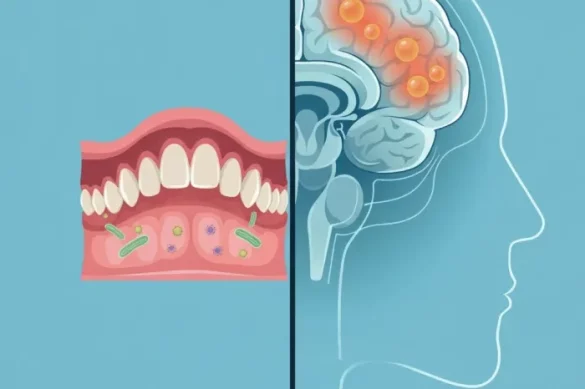
Gingivitis, commonly known as gum inflammation, is one of the earliest stages of periodontal disease. While many people think of gum disease as merely an oral health issue, emerging research reveals that its impacts could extend far beyond the mouth. The possibility that gingivitis could affect the brain has become a topic of active investigation in recent years. This article explores how gingivitis might influence brain health and highlights the importance of good oral hygiene for overall well-being.
Understanding Gingivitis: More Than Just a Dental Problem
Gingivitis is caused by the accumulation of plaque—a sticky layer of bacteria—on the teeth and gum line. Poor brushing and flossing habits can allow plaque to build up and harden into tartar, leading to gum irritation and inflammation. Early symptoms of gingivitis include redness, swelling, bleeding while brushing, and sometimes bad breath. Most people view these as minor inconveniences, but neglecting gingivitis can have consequences.
If left untreated, gingivitis can progress to more advanced forms of gum disease, known as periodontitis. This can result in receding gums, loose teeth, and even tooth loss. However, the risk from gum disease is not limited to oral discomfort or aesthetics. Scientists are beginning to recognize an important connection between oral health and the health of other body systems—including the brain.
How Oral Health Influences the Brain
The mouth contains around 700 types of bacteria, some of which can cause infections in the supporting tissues around the teeth. When the gums become inflamed and the lining of the mouth is damaged, bacteria can enter the bloodstream. Once in the circulation, these oral bacteria and their harmful byproducts can reach other organs, including the brain.
Research indicates that inflammation caused by gum disease can play a role in systemic diseases. Chronic inflammation is known to contribute to vascular changes, which may impact the heart and the brain. Scientists are now investigating whether persistent gum infection and inflammation can set off a chain reaction, increasing the risk of neurological disorders.
Gingivitis and Dementia: What the Research Shows
Recent large-scale studies have suggested a link between gum disease and dementia, including Alzheimer’s disease and vascular dementia. In one analysis, older adults who showed signs of gum disease or tested positive for antibodies to certain oral bacteria were more likely to develop dementia later in life. One culprit, Porphyromonas gingivalis, is especially implicated in this process. This bacterium not only drives gum inflammation but has also been detected in brain tissue affected by Alzheimer’s disease.
Laboratory studies propose that the body’s immune response to these bacteria, or the bacteria themselves, might travel from the mouth to the brain. In reaction, the brain can develop plaques of beta-amyloid protein—one of the hallmarks of Alzheimer’s disease—as a form of defense. Over time, the ongoing presence of bacteria and inflammation may contribute to nerve cell damage and cognitive decline. While these studies indicate a strong association, it is important to remember that they do not yet prove that gum disease causes dementia. Further clinical trials are required to determine if treating gum infections can lower dementia risk.
Gingivitis and Cerebral Blood Vessels: The Risk of Aneurysm
The impact of gingivitis on the brain does not end with dementia. Other research reveals that people with widespread gum disease might face a higher risk of developing cerebral aneurysms—weak, bulging spots on blood vessels in the brain. These aneurysms are dangerous because they can rupture and cause life-threatening bleeding.
One study followed patients for over a decade and found those with severe gum disease were more likely to develop these brain blood vessel problems. Blood samples from patients with aneurysms showed that their immune systems had responded to bacteria frequently found in gum disease, suggesting a link between chronic oral inflammation and damage to blood vessels. Though further research is needed, this evidence adds to the growing body of knowledge underscoring the importance of gum health for brain protection.
Why Inflammation Matters
Inflammation is the body’s natural way to fight infection and heal. However, when inflammation lingers and becomes chronic, it can harm tissues and organs far from the initial site. In the case of gingivitis, the mouth becomes a gateway for harmful bacteria and inflammatory molecules to enter the blood. Chronic exposure to these elements may ultimately affect blood vessels in the heart and the brain.
Repeated or uncontrolled inflammation can contribute to the buildup of fatty deposits (plaques) inside blood vessels, a process called atherosclerosis. This process is well-known for its role in heart disease, but it can also interfere with blood flow in the brain, increasing the risk of stroke or cognitive impairment.
Preventing Gingivitis: Simple Steps for Big Protection
The good news is that gingivitis is both preventable and reversible in its early stages. Taking care of your mouth can help reduce risks for brain and heart problems. These habits make a significant difference:
Regular Brushing and Flossing
Brush your teeth at least twice a day with fluoride toothpaste. Floss daily to remove plaque from between your teeth and under the gumline. Consistency is key.
Professional Dental Cleanings
Visit your dentist regularly—usually every six months—for a professional cleaning. Dentists can remove tartar that home brushing cannot and spot early signs of gum disease.
Healthy Diet
Eat a balanced diet and limit sugary or starchy foods, as these feed harmful bacteria. Ensure your diet includes vitamins and minerals like vitamin C and calcium to support healthy gums.
Avoid Tobacco
Tobacco use increases the risk and severity of gum disease and makes it harder for your gums to heal. Quitting tobacco supports both oral and overall health.
Manage Chronic Health Conditions
Conditions like diabetes or medications causing dry mouth can increase the risk of gum disease. Managing these health challenges together with your healthcare provider is important.
Conclusion
Emerging evidence suggests that the effects of gingivitis may reach much further than we previously understood. Gum inflammation and infection not only hurt oral health but could also increase the risk for serious brain conditions such as dementia and cerebral aneurysms. While more research is needed to prove direct causation, the observed associations are strong enough to warrant attention. Simple habits like regular brushing, flossing, and dental checkups offer protection not just for your teeth and gums, but maybe for your brain as well.
Frequently Asked Questions
Can gingivitis really harm my brain?
While research cannot say for sure that gingivitis causes brain disease, studies show a strong association between gum disease and cognitive problems like Alzheimer’s disease and even aneurysm risk. Maintaining good oral health may lower this risk.
How do bacteria from my mouth reach my brain?
When gums are inflamed or infected, bacteria and inflammatory molecules can enter the bloodstream. These can then reach the brain, sometimes causing an immune response or contributing to inflammation there.
What are the early symptoms of gingivitis?
Gingivitis often starts with redness, swelling, and bleeding of the gums, especially when brushing. Bad breath and tender gums are also common.
Is gingivitis reversible?
Yes. Gingivitis can usually be reversed with daily brushing and flossing and regular dental visits. Addressing it early can lower your risk for more serious health issues.
Should everyone worry about gingivitis and brain health?
Anyone can develop gingivitis, but the risks are higher for older adults and people with medical conditions like diabetes. Good oral hygiene is valuable for people of all ages.