


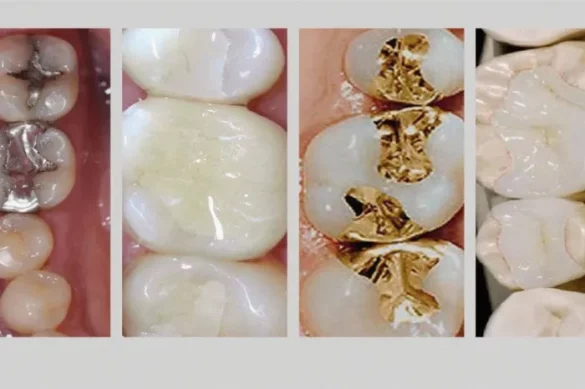
When considering dental restorations for cavities or damaged teeth, patients often face the choice between ceramic and metal fillings. These two materials each offer unique benefits and drawbacks. Understanding the differences can help you make an informed decision with your dentist. Both ceramic and metal fillings serve the essential purpose of repairing teeth, but how they perform, look, and last can vary significantly.
What Are Dental Fillings?
Dental fillings are materials used to restore the shape and function of teeth after they have been damaged by decay or injury. When bacteria wear down the hard surface (enamel) of a tooth, cavities form. A dentist removes the decayed area and uses a filling to repair the tooth. Fillings prevent further decay and help maintain oral health. Several filling materials are available, including metal (such as amalgam or gold), ceramic (porcelain), composite resin, and glass ionomer. The choice of filling material depends on factors like the location of the cavity, aesthetic preference, cost, and personal oral habits.
An Overview of Metal Fillings
Metal fillings have been used in dentistry for over a century. The two main types are amalgam (a mixture of silver, mercury, tin, and copper) and gold. These fillings are well known for their strength and durability. Amalgam fillings are popular because they are sturdy, cost-effective, and can last 10 to 15 years or even longer. Gold fillings are even more durable, sometimes lasting several decades.
However, metal fillings have some drawbacks. Amalgam fillings are dark silver and noticeably different from natural tooth color. This makes them more visible, especially when used on front teeth. Over time, they may also darken further as they react with fluids in the mouth. In rare cases, some patients may experience sensitivity or allergic reactions to the metals used in amalgam. Metal fillings also tend to expand and contract with temperature changes in the mouth, potentially leading to micro-cracks in the tooth structure, which may weaken the tooth over time.
The Advantages of Ceramic Fillings
Ceramic fillings, usually made from porcelain, have become a popular alternative to metal fillings. The main reason is their natural appearance. Ceramics can be color-matched to your existing teeth, making them almost invisible. This is especially important for fillings on the front teeth or any area visible when smiling or talking.
Ceramic fillings are also highly resistant to staining and abrasion. Unlike resin-based or composite fillings, porcelain resists the accumulation of stains from coffee, tea, or tobacco. They are strong and can last 10 to 15 years, sometimes longer with proper care. The bonding process used with ceramic fillings can also strengthen the treated tooth. Importantly, ceramic is bio-inert—meaning it does not cause allergic reactions and is non-toxic.
Drawbacks of Ceramic Fillings
Despite their many advantages, ceramic fillings are not perfect. Creating and installing a ceramic filling is a complex process that often requires more than one dental visit. Ceramics can also be more expensive than other types of fillings, sometimes similar in price to gold. While strong, ceramic can be brittle under certain pressures, especially when placed in areas that endure heavy chewing forces. In rare situations, ceramic fillings may fracture if subjected to a very strong bite. Additionally, ceramic restorations sometimes require the removal of more natural tooth structure to ensure a proper fit.
Aesthetics: A Key Factor
The appearance of your filling is an important consideration for many patients. Metal fillings, by their nature, are visible and can affect the look of your smile. This is one of the biggest reasons patients choose ceramic fillings, which can be made to look almost indistinguishable from natural tooth enamel. If you are concerned about aesthetics, especially for front teeth or highly visible areas, ceramic is usually the better choice.
Durability and Longevity
Both ceramic and metal fillings are durable, but their performance can vary. Amalgam metal fillings are known for their exceptional lifespan, often lasting 10 to 15 years or more. Gold fillings are the most long-lived, sometimes remaining in place and functional for 20 years or longer. Ceramic fillings are also durable, with many lasting a decade or longer if properly cared for. The risk for both types is that constant force from chewing, grinding, or clenching can eventually cause any filling to break down over time.
Sensitivity and Comfort
Another aspect to consider is how the fillings feel in the mouth. Some patients report a temporary sensitivity to hot or cold temperatures after getting any filling, which usually resolves within a few days. Metal fillings, particularly amalgam, can transfer temperature changes more rapidly, sometimes leading to increased sensitivity for certain patients. Ceramic fillings are less conductive, which generally results in higher comfort levels for most people.
Safety and Health Concerns
There has been ongoing discussion about the safety of mercury in amalgam fillings. Major dental organizations, like the American Dental Association, state that silver amalgam is safe for use and has a long record of success. However, patients with specific allergies or preferences may choose to avoid metals. Ceramic fillings present no risk of metal exposure, allergic reactions, or toxicity, making them a preferred choice for those with sensitivities.
Tooth Preservation and Placement
When placing a ceramic filling, sometimes more of the natural tooth may need to be removed to achieve a good fit and bond. Metal fillings, especially amalgam, often require less removal of healthy tooth, preserving more natural structure. However, the difference is minimal for most modern ceramic techniques, and the enhanced bonding of ceramics can offer added tooth strength.
Cost Comparison
The cost of fillings varies by material, dental office, and location. Metal (amalgam) fillings are typically the most budget-friendly option. Ceramic fillings are more expensive than composite resin and amalgam, with their higher cost due to the labor-intensive process and materials used. Gold fillings are the highest in cost but offer unmatched longevity.
Who Should Choose Ceramic or Metal Fillings?
Choosing between ceramic and metal fillings depends on your dental needs, location of the cavity, aesthetic preference, and budget. Ceramic fillings are best for people who want a natural look without visible fillings. They work well for any visible teeth and are suitable for patients with allergies or sensitivities to metal. Metal fillings are suitable where strength and durability are most needed, such as on molars or back teeth subjected to heavy chewing forces. For budget-conscious patients, amalgam can be a wise choice for its affordability and reliability.
Conclusion
Both ceramic and metal fillings are effective at restoring teeth and preventing further decay. Ceramic fillings offer superior aesthetics, are highly resistant to stains, and work well for visible areas or patients with metal sensitivities. Metal fillings, especially amalgam and gold, are valued for their strength, longevity, and cost-effectiveness, making them suitable for high-stress chewing areas. The best choice depends on the location of your filling, your aesthetic concerns, your dental history, and your budget. Consult your dentist to determine the best option for your individual needs.
Frequently Asked Questions
Are ceramic fillings better than metal fillings?
Ceramic fillings are better for aesthetics and stain resistance, while metal fillings are generally more durable and budget-friendly.
How long do ceramic and metal fillings last?
Ceramic fillings last 10 to 15 years or more, while metal fillings can last 15 years or longer, especially gold.
Are metal fillings safe?
Yes, amalgam and gold fillings are safe for most patients. However, those with metal allergies may prefer ceramic materials.
Is it worth paying more for ceramic fillings?
If aesthetics and biocompatibility are important, ceramic fillings offer significant advantages despite the higher cost.
Can you replace metal fillings with ceramic?
Yes, many patients choose to replace metal fillings with ceramic for aesthetic reasons. Consult your dentist for individual advice.