


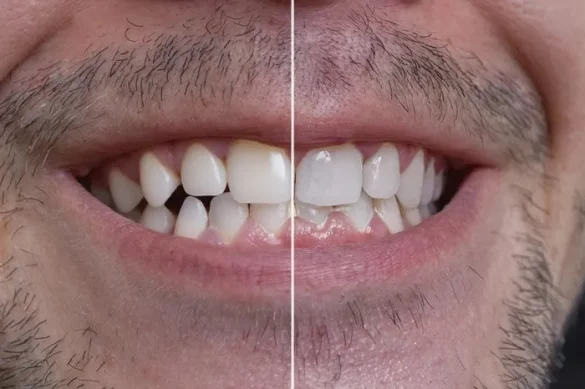
Millions of individuals contend with yellowing teeth, a common issue that can affect self-esteem and the willingness to smile openly. Discoloration tends to develop gradually due to daily habits, dietary choices, or the natural aging process, but advances in science and dental care now provide a wide array of options to restore tooth brightness and achieve lasting oral health.
Understanding Why Teeth Turn Yellow
Tooth discoloration is generally the result of combined external and internal factors. Everyday foods and drinks like coffee, tea, red wine, and certain dark-colored fruits can stain the enamel, while tobacco use accelerates this process. Inadequate brushing and flossing allow plaque and tartar to build up, contributing to a yellowish appearance. With age, the outer layer of enamel naturally thins, revealing the yellowish dentin inside. Genetics and certain medications may also play a noteworthy role. The American Dental Association stresses that both genetics and environmental factors are instrumental in tooth color variations.
The Foundation: Practicing Good Oral Hygiene
Consistent oral care remains the cornerstone of preventing and reversing yellow teeth. Dentists recommend brushing twice daily with fluoride toothpaste, using a soft-bristled or electric toothbrush for optimal effectiveness. Replace your toothbrush every three to four months, or sooner if bristles are frayed. Daily flossing or using interdental brushes removes plaque from areas between teeth that brushing cannot reach. Regular dental check-ups and professional cleanings help address hidden stains and allow for early problem detection. According to experts, maintaining these habits not only combats existing discoloration but also prevents new stains from developing.
Whitening Toothpastes and Store-Bought Whitening Products
Specialized whitening toothpastes employ mild abrasives and gentle chemical agents to address surface stains. Dental research consistently supports their safety for daily use, though results are often gradual. Over-the-counter whitening strips and gels, which typically utilize low concentrations of peroxide, offer an accessible way to lighten tooth color in a matter of weeks. However, the American Dental Association advises that users with sensitive teeth or weakened enamel consult their dentist before starting such treatments, as side effects can include temporary sensitivity or gum irritation.
Home Remedies: Baking Soda and Hydrogen Peroxide
Baking soda, when used in moderation, gently polishes away stains without excessive wear. When combined with a mild solution of hydrogen peroxide (typically 3%), the mix acts as a natural bleaching agent. The paste should be brushed onto the teeth for two minutes before rinsing thoroughly, and used just once or twice weekly to avoid enamel erosion. Scientific studies point out that, when properly applied, this method is both safe and effective for surface-level stains. Nevertheless, dentists caution against frequent or aggressive use, as improper application can damage tooth surfaces.
Oil Pulling and Its Place in Oral Health
Oil pulling, a practice rooted in ancient traditions, involves swishing edible oils such as coconut or sesame oil in the mouth for up to 20 minutes. While robust clinical evidence is still emerging, oil pulling is known to reduce harmful bacterial buildup and support healthy gums. Numerous users claim that, alongside conventional oral hygiene, oil pulling noticeably decreases surface stains. Dental associations generally consider oil pulling as a harmless complementary routine, though it should not replace standard brushing and flossing.
Fruit Peels, Enzymes, and Natural Alternatives
Some at-home approaches, like rubbing banana, orange, or lemon peels on the teeth, are said to harness the cleaning effects of natural acids and enzymes. Compounds such as d-limonene have been studied for their stain-removal properties, but dental experts caution that direct, frequent exposure to acidic peels can wear away enamel and make teeth more sensitive. A safer option is eating crunchy fruits and vegetables, like apples and carrots, which boost saliva flow and physically clean teeth during chewing. The limited scientific support for fruit peels means they should be used sparingly and with caution.
Activated Charcoal: A Trend Under Investigation
Activated charcoal’s porous nature allows it to bind pigments that stain tooth surfaces. Available in select toothpastes and powder form, its use has risen in popularity. To minimize abrasion, it should only be used occasionally. Dental research is still evaluating long-term effects, and some experts voice concerns over potential enamel erosion if misused. As with any abrasive agent, dental association guidelines recommend consulting a dentist prior to regular use.
Professional Whitening: The Dentist’s Approach
For persistent or deeply set yellow stains, professional whitening treatments deliver the most dramatic results. In-office bleaching procedures employ higher-concentration peroxide agents under controlled conditions for quick improvements. Dentists may also offer custom-made trays for at-home use, ensuring safety and efficacy. In cases where whitening is inadequate—such as with certain intrinsic stains or enamel defects—cosmetic veneers or bonding may provide a permanent solution. The American Academy of Cosmetic Dentistry underlines the importance of seeking professional advice to avoid complications and maximize outcomes.
How to Prevent Teeth from Yellowing Again
After brightening your smile, long-term maintenance becomes essential. Reduce or avoid foods and drinks with high staining potential, and rinse your mouth with water if consumed. Refrain from using tobacco products, as they are a leading cause of persistent yellowing and broader oral health risks. Adhering to diligent brushing, flossing, and keeping up with dental appointments remain the best ways to safeguard your results. Early intervention and ongoing education on dental health contribute to maintaining a radiant smile for years to come.
Frequently Asked Questions
What Is the Safest Home Whitening Method?
Typically, whitening toothpastes and moderate use of a baking soda-hydrogen peroxide paste are considered safe when following dental guidelines. Overuse of any whitening agent can have adverse effects, so moderation and professional guidance are key.
How Soon Will I See Noticeable Changes?
Over-the-counter whitening products usually begin to show effects within two to six weeks. For more immediate and pronounced results, professional dental treatments are advisable.
Are Natural Remedies Effective?
Some natural methods, such as oil pulling and eating crunchy fruits, may contribute to cleaning and minor stain removal, but their whitening capabilities are not universally supported by scientific studies. They are best viewed as supplements—not replacements—for dental-grade care.
When Should You Seek Professional Help?
If your efforts at home yield little improvement, or if you notice escalating sensitivity or discomfort, a consultation with your dentist is warranted. This ensures that any underlying issues are diagnosed and properly treated.
Can All Yellow Teeth Be Whitened Successfully?
Most external surface stains respond well to whitening, although internal discoloration and severe staining may require professional intervention or cosmetic dentistry for optimal results.