
Diabetes and Gum Disease: What Is the Connection?

On this page~6 min read
Key Takeaway
- Diabetes and gum disease have a two-way relationship: high blood sugar can make periodontal infection worse, and untreated gum inflammation can make glucose control harder.
- Early signs include bleeding gums, swelling, bad breath, gum recession, loose teeth, and slow healing after dental treatment.
- Good daily cleaning, regular periodontal care, and stable HbA1c reduce gum inflammation and support safer implant treatment planning.
Featured Answer: What Is the Connection Between Diabetes and Gum Disease?
Diabetes and gum disease are connected through inflammation, bacteria, immune response, and wound healing. When blood glucose is high, glucose can also rise in saliva, giving plaque bacteria more fuel. The gums may become inflamed, bleed more easily, and heal more slowly. At the same time, periodontitis is not only a local mouth problem. It can increase the inflammatory burden in the body and may make insulin response less effective, which can make diabetes harder to manage. This is why dentists and physicians often treat gum health and blood sugar control as connected parts of the same care plan.
What Do Diabetic Gums Look Like?
Diabetic gums do not have one single appearance, and a dentist cannot diagnose diabetes by looking at the gums alone. However, people with poorly controlled diabetes may be more likely to show red, swollen, shiny, or tender gums; gums that bleed during brushing or flossing; persistent bad breath; gum recession; pus around the gumline; loose teeth; dry mouth; or delayed healing after extraction, deep cleaning, or implant surgery. These signs can overlap with ordinary gingivitis or periodontitis, so the key is not the label but the pattern: frequent bleeding, slow healing, and repeated infection should prompt both a dental exam and a medical blood glucose check when appropriate.
Why Diabetes Can Make Gum Disease Worse
Gum disease begins when plaque collects around the gumline. In its early stage, gingivitis, the gums may look red, puffy, and prone to bleeding. If plaque hardens into tartar and inflammation continues, the gums can pull away from the teeth, forming periodontal pockets. Bacteria then move deeper under the gumline, where brushing cannot reach them. Over time, the tissues and bone supporting the teeth may break down, causing gum recession, tooth mobility, and eventual tooth loss.
Diabetes can accelerate this process. High blood sugar can increase glucose in saliva, and plaque bacteria use sugar as an energy source. Diabetes can also reduce saliva flow, which makes the mouth drier and less able to rinse away acids and food debris. More importantly, poor glycemic control can weaken immune response and slow wound healing. The result is a mouth environment where harmful bacteria are easier to support, inflammation is harder to calm, and infections may take longer to resolve.
For patients, this often feels confusing because the first symptoms may seem small: a little bleeding during brushing, occasional bad breath, or tenderness when flossing. But for a person with diabetes, these signs should not be ignored. Red, swollen, or bleeding gums can progress faster when glucose control is poor. A periodontal exam allows the dentist to measure pocket depth, evaluate bone support, remove tartar, and decide whether routine cleaning, scaling and root planing, or additional periodontal treatment is needed.
How Gum Disease Can Affect Blood Sugar
The relationship also moves in the other direction. Periodontitis is a chronic infection with an inflammatory response. When gum tissues are inflamed for months or years, inflammatory mediators can circulate beyond the mouth. This systemic inflammation may interfere with insulin sensitivity and make blood glucose more difficult to stabilize. In plain language: inflamed gums can add stress to the body, and that stress may make diabetes control harder.
This does not mean gum treatment replaces diabetes medication, diet, or medical care. It means periodontal care can be a useful part of diabetes management. A 2022 Cochrane review reported moderate-certainty evidence that subgingival periodontal treatment improves glycemic control in people with both diabetes and periodontitis compared with no active treatment or usual care. The improvement is usually modest, but clinically meaningful for many patients because HbA1c reflects average glucose control over time.
The practical message is simple: if blood sugar is difficult to control and gum symptoms are present, the mouth deserves attention. Professional cleaning removes hardened deposits that toothbrushes and floss cannot remove. Scaling and root planing clean deeper below the gumline. Daily brushing, interdental cleaning, smoking cessation, and regular follow-up help keep bacterial plaque from returning. Together with the physician's diabetes plan, this can reduce oral inflammation and support steadier health.
Dental Implants, Diabetes, and Blood Pressure at Huangshan Dental
Many patients ask whether diabetes or high blood pressure automatically rules out dental implants. The answer is usually no. The deciding factor is control. Implant treatment requires healthy gum tissue, enough supporting bone, careful surgical planning, and predictable healing. When diabetes is uncontrolled, risks can rise because healing may be slower, infection risk may increase, and the bone response around the implant may be less predictable. When diabetes and blood pressure are stable, implant treatment can often be planned safely with medical collaboration.
Huangshan Dental evaluates each implant patient individually. The dental team reviews oral inflammation, periodontal stability, CBCT findings, medical history, medications, smoking status, and recent blood test results. Patients with active periodontal infection may need gum treatment before implant placement. Patients with diabetes or hypertension may also need written medical clearance, especially when surgery is extensive or multiple implants are planned.
Implants for Diabetes Case at Huangshan Dental
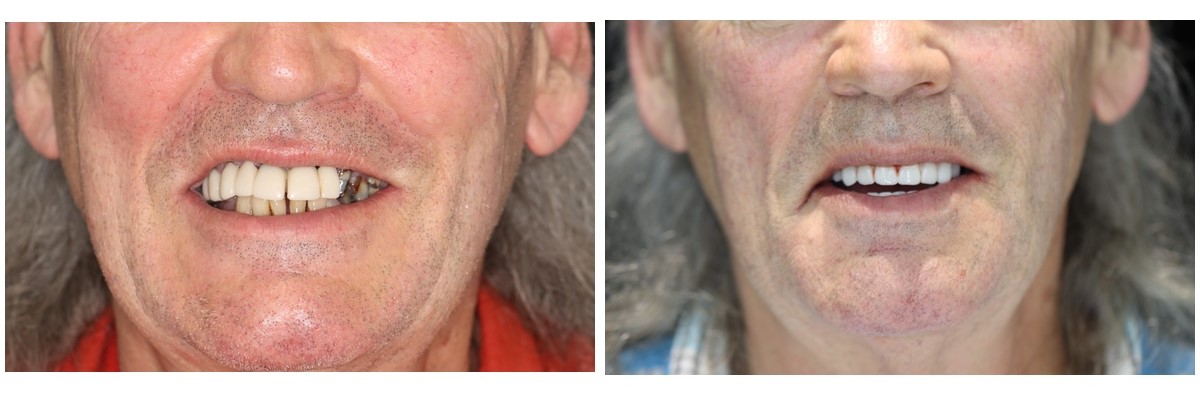
Huangshan Dental Requirements for Implant Patients
| Clinical item | Requirement before implant treatment |
|---|---|
| Can patients with diabetes or high blood pressure get dental implants? | Yes. Patients with controlled diabetes or hypertension may receive dental implants. |
| Fasting blood glucose | Below 8 mmol/L |
| HbA1c | Below 7% |
| Blood pressure | Below 140/90 |
| Medical clearance | Required from a physician when indicated by medical history or treatment plan |
How to Lower Risk Before Treatment
- Tell your dentist about diabetes, high blood pressure, medications, insulin use, allergies, smoking, and recent HbA1c results.
- Schedule periodontal treatment first if gums bleed, pockets are deep, or tartar is present under the gumline.
- Keep blood sugar stable before and after surgery. Do not stop diabetes medication unless your physician instructs you to do so.
- Brush twice daily with fluoride toothpaste and clean between teeth once daily with floss, interdental brushes, or a water flosser as recommended.
- Attend maintenance visits. Patients with diabetes may need more frequent periodontal reviews than patients without risk factors.
FAQ
Can a dentist tell if you're diabetic?
A dentist cannot confirm diabetes from the mouth alone, but repeated gum infections, dry mouth, slow healing, loose teeth, or severe periodontitis may suggest the need for medical screening. Diagnosis requires blood tests such as fasting glucose or HbA1c.
What are the two early signs of gum disease?
Two common early signs are red, swollen gums and bleeding during brushing or flossing. Bad breath, tenderness, and plaque buildup near the gumline may also appear early.
Conclusion
Diabetes and gum disease are closely connected. High blood sugar can make gum infection more severe and slower to heal, while untreated periodontitis can add inflammation that makes glucose control harder. The best approach is coordinated care: manage blood sugar with a physician, treat gum inflammation with a dentist, and maintain daily plaque control at home. For implant patients, Huangshan Dental focuses on controlled diabetes, controlled blood pressure, healthy periodontal tissue, and medical clearance so treatment can be planned with lower risk and better long-term stability.