
Do Braces Make Your Teeth Loose? Is It Normal?
On this page~6 min read
Key Takeaway:
Slight teeth loose with braces is usually a normal part of orthodontic tooth movement. Braces and clear aligners move teeth by applying controlled pressure, which triggers remodeling in the periodontal ligament and surrounding alveolar bone. This can make teeth feel mildly loose or tender during treatment, especially after adjustments. The real concern is not normal orthodontic mobility, but severe looseness, gum disease, uncontrolled force, trauma, or untreated bone loss. After braces, retainers are essential because teeth can continue to shift throughout life.
Featured Answer: Do Braces Make Your Teeth Loose?
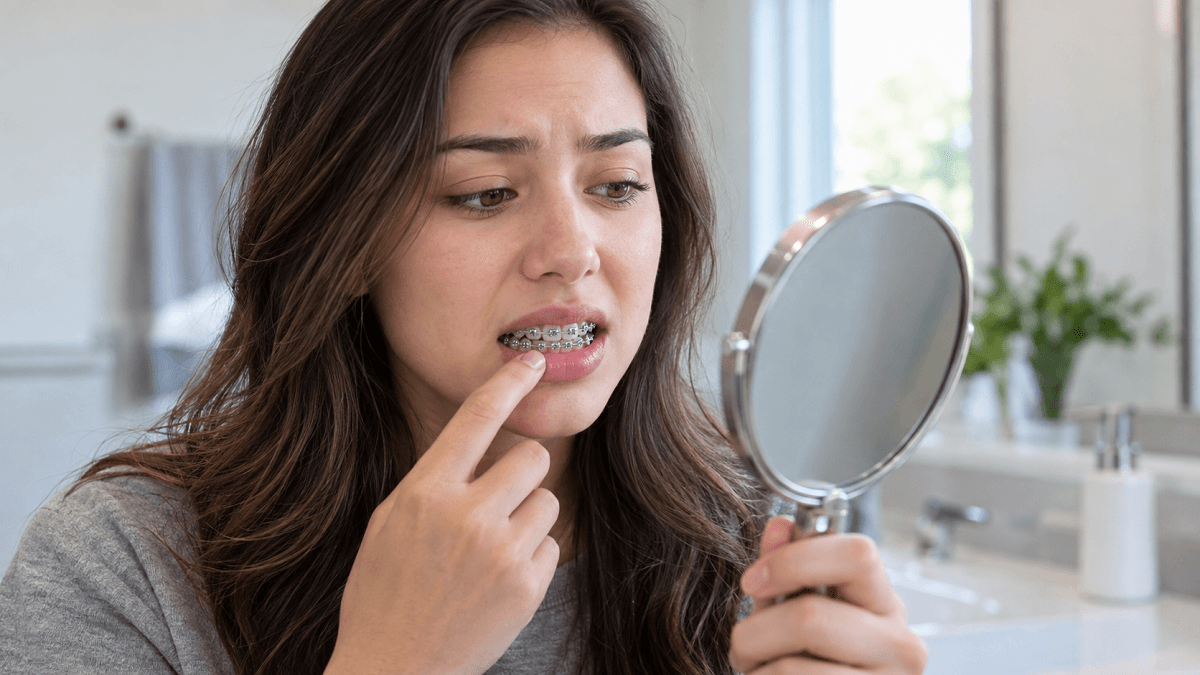
Yes, braces can make teeth feel slightly loose during treatment, but this is usually temporary and expected. Orthodontic appliances move teeth by applying gentle, controlled force. The bone on one side of the tooth remodels while new bone forms on the other side, so the tooth may feel less firm for a while. Once the tooth reaches its planned position and the surrounding bone stabilizes, it should feel firm again. If a tooth feels very loose, painful, infected, or the gums are swollen or bleeding, see an orthodontist promptly.
Many patients worry when they first notice teeth loose with braces. The feeling can be unsettling because most people think healthy teeth should never move. In reality, teeth are not fused directly into the jawbone. Each tooth root is surrounded by the periodontal ligament, a living tissue that connects the tooth to the alveolar bone and cushions normal biting forces. Orthodontic treatment works because this support system can respond to pressure. Brackets, wires, elastics, or clear aligners apply a carefully planned force that tells the body to remodel bone around the tooth. The American Association of Orthodontists explains that braces use brackets and wires to put pressure on teeth and gradually move them into better positions. This is why mild pressure, soreness, and a slightly mobile feeling may happen during active treatment. It does not mean the braces are “pulling teeth out.” It means the tooth-supporting tissues are changing in a controlled biological process.
The key word is controlled. During orthodontic movement, bone is resorbed on the pressure side and rebuilt on the tension side. AAO patient guidance describes this as bone remodeling: tissue breaks down on one side to allow movement while new bone builds on the opposite side to support the tooth’s new position. Scientific reviews also describe the periodontal ligament and alveolar bone as a functional unit that remodels during orthodontic tooth movement. That temporary remodeling phase can make a tooth feel loose, especially after wire changes or aligner switches. For most patients, this looseness is mild, comes with tenderness rather than sharp pain, and improves as the mouth adapts. Huangshan Dental’s clinical message should be reassuring but precise: normal orthodontic looseness is temporary and manageable, while uncontrolled looseness should be checked.
Braces themselves are not the usual cause of teeth falling out. The bigger long-term risk is periodontal disease. Periodontitis is a bacterial inflammatory disease that damages the gum attachment and bone supporting the teeth. Once bone support is lost, teeth can become mobile regardless of whether a person ever had braces. This is why patients with gum bleeding, deep periodontal pockets, heavy calculus, smoking history, diabetes, or existing bone loss need periodontal evaluation before and during orthodontic treatment. In some cases, orthodontics can still be possible, but the forces must be lighter, the plan must be carefully monitored, and gum disease must be stable first.
Good orthodontic care may actually help oral hygiene for some patients. Crowded or overlapping teeth can trap plaque and make flossing difficult. AAO notes that crooked or crowded teeth and difficulty brushing or flossing effectively are reasons to consider orthodontic consultation. When teeth are aligned, many patients find it easier to clean between teeth and maintain gum health. But braces also add brackets, wires, and small spaces where plaque can accumulate, so hygiene must improve during treatment. Huangshan Dental can frame this simply: braces do not replace brushing and periodontal care. A healthy result depends on controlled movement, regular reviews, professional cleaning when needed, and daily plaque control at home.
After treatment, teeth need retention. Many people think teeth become permanently fixed once braces are removed, but tooth position can keep changing. Retainers hold teeth in their corrected position while the bite, ligament, and surrounding tissues settle. Immediately after braces, many orthodontists recommend full-time retainer wear except when eating, drinking, or cleaning. Later, patients often transition to nighttime wear. Exact instructions vary by case, but the principle is consistent: if retainers are not worn, relapse is possible, even years later. If a retainer feels tight, does not seat fully, or teeth visibly shift, patients should contact their orthodontist instead of forcing the retainer.
When Should Patients Worry?
Mild mobility and dull soreness after an adjustment are common. Severe looseness, increasing pain, pus, gum swelling, bleeding, a bad taste, bite trauma, or a tooth that feels dramatically more mobile than others is not something to ignore. Patients should also seek help if a bracket or wire breaks, if an aligner does not fit, or if they have known periodontal disease. Orthodontics should feel guided, not random. A responsible orthodontic plan includes examination, X-rays when indicated, periodontal screening, bite assessment, and a force system matched to the patient’s biology.
Orthodontic Price Comparison
| Clinic / Country | Orthodontic Treatment | Starting Price |
|---|---|---|
| Huangshan Dental | Self-Ligating Metal Braces | From $1,639 |
| United States | Traditional Braces | From $3,000 |
| Australia | Metal Braces | From $4,550 |
| United Kingdom | Private Metal Braces | From $2,394 |
FAQ:
Can you loose teeth because of braces?
Braces usually do not make healthy teeth fall out. Mild looseness during treatment can be normal because the bone and periodontal ligament are remodeling. True tooth loss is more commonly linked to gum disease, severe bone loss, trauma, or untreated infection. If a tooth feels very loose or painful, see an orthodontist.
Can teeth move 20 years after braces?
Yes. Teeth can move even decades after braces because bone remodeling and bite forces continue throughout life. Retainers reduce the risk of relapse. Many patients need long-term nighttime retainer wear to keep their results stable.
Conclusion
Teeth loose with braces is usually a temporary sign that orthodontic movement is happening, not a sign that the teeth are being damaged. The safest approach is to choose a qualified orthodontic team, treat gum disease first, maintain excellent oral hygiene, attend regular adjustments, and wear retainers as instructed after treatment. Mild looseness can be normal. Severe or worsening mobility needs professional evaluation.
This Huangshan Dental article is for informational purposes only and does not constitute medical advice, diagnosis, or a guaranteed treatment result. Always consult a qualified dentist for a personalized evaluation and follow your dental team’s specific instructions before and after treatment.