
How to Prevent Secondary Caries Around Fillings and Crowns
On this page~8 min read
What Is Secondary Caries?
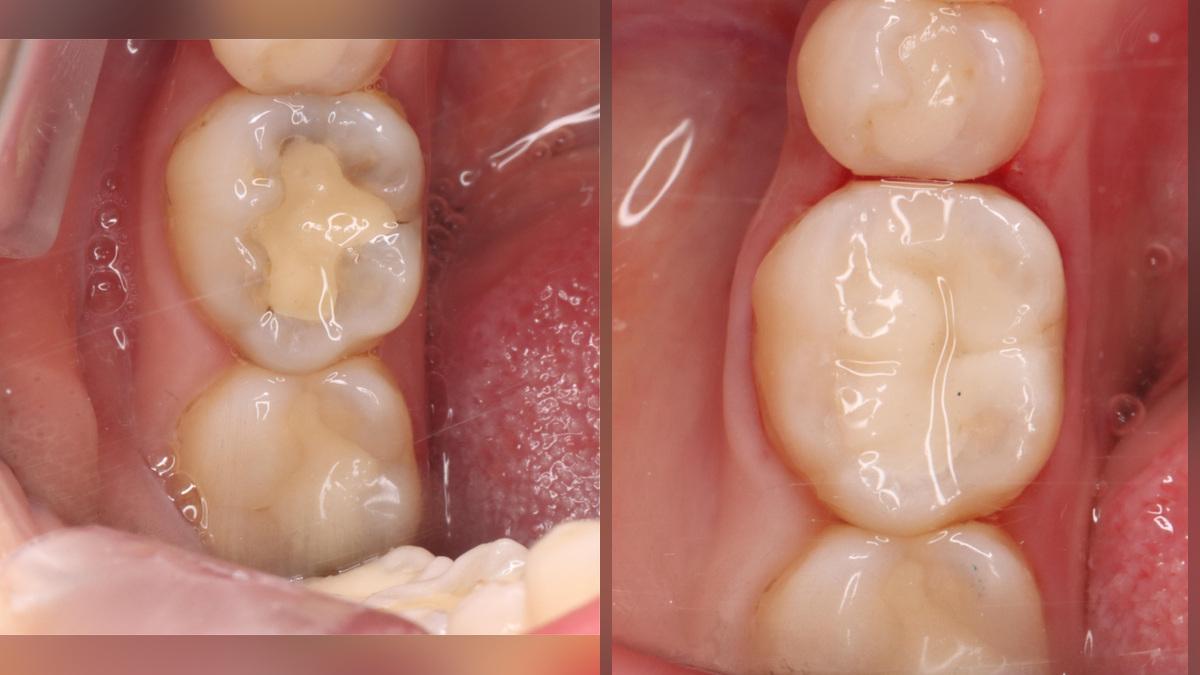
Secondary caries, also called recurrent caries, means new tooth decay that develops around an existing dental restoration. It often appears near the edge of a filling, crown, inlay, onlay, or veneer margin. Many patients think a filled tooth is “fixed forever.” However, a restoration still needs daily care and regular dental checks.
This type of decay usually starts where plaque can collect easily. Plaque is a sticky layer of bacteria that forms on teeth every day. When bacteria feed on sugar or refined carbohydrates, they produce acid. Over time, this acid can weaken enamel or exposed root surfaces near the restoration. As a result, a small gap, rough edge, or weak margin may slowly become a new cavity.
Secondary caries does not always cause pain in the early stage. In fact, many patients only find out during a dental exam or X-ray. Because of this, prevention matters. A filling or crown can restore damaged tooth structure, but it cannot remove future cavity risk by itself.
Why Secondary Caries Happens
Secondary caries can happen for several reasons. Sometimes the original decay was deep or difficult to access. In other cases, a filling edge may wear down after years of chewing. A crown margin may also become exposed if gums recede. When this happens, bacteria can stay near the edge and create another area of decay.
A poorly sealed restoration can raise the risk. If the filling does not fit tightly against the tooth, tiny spaces may allow fluid, bacteria, or food debris to collect. Dentists often call this “microleakage.” Patients cannot usually see these small gaps at home. Therefore, professional checkups are important.
Daily habits also play a major role. Frequent snacking, sugary drinks, dry mouth, rushed brushing, and missed flossing can all increase cavity risk. Even a well-made restoration may fail earlier if plaque stays around its margins every day.
Filling and Crown Margins
The margin is the line where the restoration meets the natural tooth. This area is especially important because it is a common starting point for recurrent decay. A smooth, well-polished margin is easier to clean. However, a rough or overhanging margin can trap plaque and food.
With fillings, the edge may chip or wear over time. With crowns, the gumline may change as the patient ages or develops gum recession. As a result, the original crown edge may become more exposed. This does not always mean the crown was badly made. Still, it does mean the area needs closer cleaning and monitoring.
Patients should pay attention to any roughness, food trapping, sensitivity, bad taste, or floss shredding around a restored tooth. These signs do not always mean decay is present. However, they are good reasons to schedule a dental visit before the problem becomes larger.
Common Risk Factors
Some patients are more likely to develop Secondary caries than others. The risk is not based only on the filling or crown itself. Instead, it comes from the condition of the tooth, the restoration, saliva, diet, oral hygiene, and dental history.
Common risk factors include:
- Frequent sugar intake or sipping sweet drinks
- Plaque buildup around fillings, crowns, or bridges
- Dry mouth from medication, age, or health conditions
- Gum recession exposing softer root surfaces
- Old, chipped, loose, or leaking restorations
- A history of repeated cavities
In addition, patients who have many restorations need careful maintenance. Every restoration creates a margin. Therefore, more margins mean more areas that need precise cleaning.
Early Signs to Watch For
Secondary caries can be silent at first. However, some warning signs may appear as the cavity grows. A tooth may feel sensitive to cold, sweets, or biting pressure. Food may catch in the same place repeatedly. Floss may tear when passing between teeth. A dark line may also appear near the edge of a filling or crown.
Pain usually means the problem has progressed. However, pain level does not always match the size of the cavity. Some deep cavities hurt very little. Meanwhile, a small exposed root area may feel quite sensitive. Because of this, patients should not wait for severe pain before seeing a dentist.
Dental X-rays can help detect decay between teeth or under old restorations. Still, not every margin problem is visible on an X-ray. Dentists also check with visual inspection, touch, bite evaluation, and patient symptoms.
How Dentists Treat Secondary Caries
Treatment depends on how much tooth structure remains and how deep the decay has gone. If the cavity is small, the dentist may remove the decayed part and replace or repair the filling. If the old restoration is loose or leaking, replacing it may be the better choice.
When decay reaches deeper tooth layers, a larger restoration may be needed. For example, a tooth that has lost too much structure may need an inlay, onlay, or crown instead of another simple filling. If bacteria reach the nerve inside the tooth, root canal treatment may be required before final restoration.
In severe cases, the tooth may not be restorable. However, early diagnosis can often prevent this outcome. Therefore, the best treatment is not waiting until the filling breaks or the tooth starts hurting badly.
How to Prevent Secondary Caries
Preventing Secondary caries starts with plaque control. Brush twice daily with fluoride toothpaste, and clean between teeth once a day. The area around a restoration margin needs special attention because plaque often collects there.
Fluoride helps protect enamel and can slow or reverse very early mineral loss before a full cavity forms. According to the National Institute of Dental and Craniofacial Research, fluoride can help prevent decay from progressing and support remineralization in early tooth decay. The American Dental Association also recommends daily oral hygiene and regular dental care for cavity prevention.
Daily prevention habits include:
- Brush carefully along the gumline and restoration edges
- Use floss, interdental brushes, or a water flosser if advised
- Limit frequent sugar exposure between meals
- Drink water instead of sipping soda or sweet drinks
- Visit the dentist for exams and cleanings based on risk
- Ask whether fluoride varnish or sealants are useful for you
Most importantly, do not treat a filling or crown as permanent protection from future decay. It protects the damaged area, but the tooth still lives in the same oral environment.
Diet and Daily Habits
Sugar is one of the main fuel sources for cavity-causing bacteria. However, the frequency of sugar exposure matters as much as the amount. Sipping sweet drinks all day can be more harmful than eating dessert once with a meal. This is because teeth face repeated acid attacks throughout the day.
Carbonated drinks can also be acidic. Some contain sugar, and some sugar-free versions are still acidic. Therefore, patients with many fillings or crowns should avoid using soda as a daily sipping drink. Water is safer for the teeth, especially between meals.
Fiber-rich foods can support oral health because they require chewing and may stimulate saliva. However, they do not “scrub away” cavities by themselves. Brushing, fluoride, and professional care remain necessary. In addition, chewable vitamin C products may be acidic or sugary, so they should not be used frequently without dental guidance.
Restoration Quality Matters
Good dental technique also helps reduce the risk of recurrent decay. A filling should be shaped, packed, cured, and polished correctly. A crown should fit the tooth closely and have a clean margin. If the restoration edge is too thin, rough, or open, plaque control becomes harder.
However, even excellent restorations can age. Chewing forces, tooth grinding, acidic diets, and gum changes may affect margins over time. Because of this, regular checkups are not just about cleaning teeth. They also allow the dentist to check whether existing restorations are still sealed and stable.
If a patient often develops cavities around restorations, the dentist may review the bite, saliva flow, brushing technique, diet, and fluoride plan. Prevention should be personalized. A patient with dry mouth or high cavity risk may need more frequent care than someone with low risk.
Professional Maintenance
A common reminder is to see the dentist every six months. For many patients, this schedule works well. However, the best interval depends on individual risk. Someone with frequent cavities, gum disease, dry mouth, or many old restorations may need closer monitoring.
Professional cleanings remove plaque and tartar that are difficult to clean at home. Dental exams also help detect early changes around fillings and crowns. When a problem is found early, treatment is usually simpler and more conservative.
Patients should also keep a list of symptoms. For example, note if one tooth catches food, feels rough, or becomes sensitive. These small details help the dentist identify problem areas faster.
Frequently Asked Questions
Is Secondary Caries the same as a new cavity?
Yes, it is a new cavity, but it forms around or under an existing restoration. It may appear near a filling, crown, bridge, or other dental work.
Can a cavity form under a crown?
Yes. A crown covers the tooth, but bacteria can still enter near the margin if there is leakage, gum recession, or plaque buildup.
Do I always need to replace the old filling?
Not always. Small defects may sometimes be repaired. However, larger decay or a leaking restoration often needs replacement.
Can fluoride help prevent Secondary Caries?
Yes. Fluoride toothpaste and professional fluoride treatments can help lower cavity risk, especially for patients with many restorations.
How often should restored teeth be checked?
Many patients do well with six-month visits. However, high-risk patients may need more frequent exams and cleanings.
Summary
Secondary caries often starts around the edge of a filling, crown, or other restoration. It may happen because of plaque buildup, microleakage, rough margins, gum recession, frequent sugar exposure, or poor oral hygiene. However, it is not always painful at first, so regular dental exams are important.
Treatment depends on the size and depth of the decay. A small problem may need a filling repair or replacement. A deeper problem may require a crown, root canal treatment, or another advanced restoration. Therefore, early care can protect more natural tooth structure.
The best prevention plan combines careful brushing, fluoride toothpaste, interdental cleaning, lower sugar frequency, regular dental visits, and timely repair of aging restorations. A filling or crown can restore a damaged tooth, but daily maintenance is what helps prevent Secondary caries.