
What Are the Dangers of Missing Teeth? Long-Term Risks Explained

On this page~5 min read
Key Takeaway
Missing teeth can affect much more than your smile. Over time, even one missing tooth may cause neighboring teeth to shift, opposing teeth to over-erupt, food to become trapped, and the bite to lose balance. Long-term tooth loss can also reduce chewing efficiency, increase stress on the digestive system, contribute to jawbone loss, change facial appearance, and place uneven pressure on the temporomandibular joint. Treatment options include removable dentures, fixed bridges, and dental implants. For suitable patients, dental implants may provide stable chewing support, protect surrounding teeth, and help maintain oral function over the long term.
What Are the Dangers of Missing Teeth?
Missing teeth are common, but they should not be treated as a small problem. Many people think tooth loss only happens to older adults, yet younger patients can also lose teeth because of cavities, gum disease, trauma, failed restorations, or delayed treatment. Each tooth has a role in the mouth. Front teeth help cut food and support the lips, canine teeth help tear food and support the corners of the mouth, and molars provide the main chewing force. When one tooth is missing, the balance of the whole dental arch can begin to change.
One of the first long-term risks is tooth movement. After a tooth is lost, the teeth beside the empty space may slowly tilt into the gap. The opposing tooth may also move because it no longer has a normal biting partner. These changes can create food traps, uneven spaces, and bite interference. Food stuck between teeth may increase the risk of cavities, gum inflammation, bad breath, and periodontal problems. The National Institute of Dental and Craniofacial Research notes that periodontal disease is the most common cause of tooth loss among adults, showing how closely tooth loss and gum health are connected.
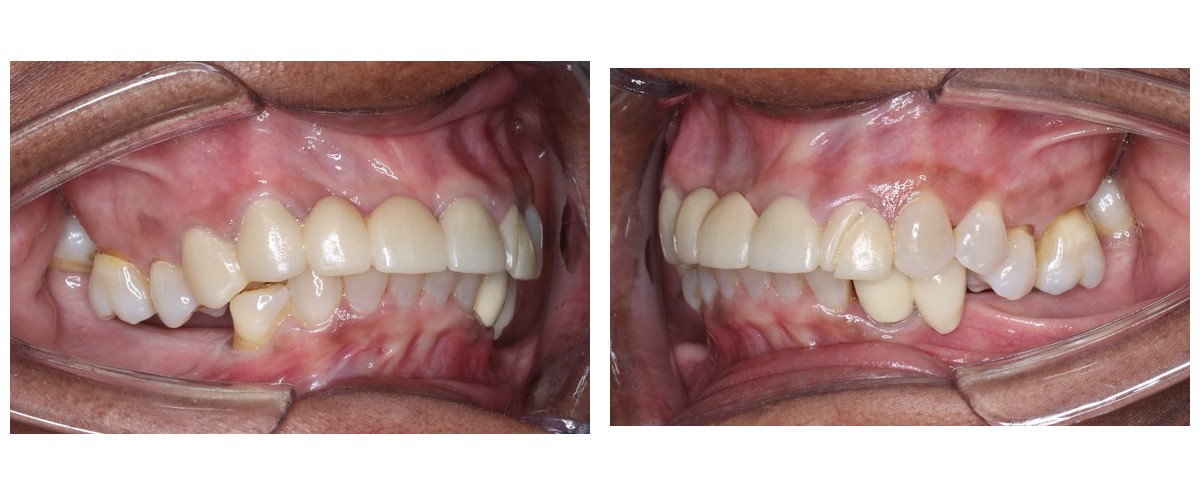
Another major concern is jawbone loss. The bone around tooth roots needs regular stimulation from chewing. When a tooth is missing, that stimulation decreases, and the bone in that area may gradually shrink. This is why patients who wait many years before replacing teeth may have fewer treatment options or may need bone grafting before implant treatment. Mayo Clinic explains that dental implant candidates need enough bone to secure the implant, or they may require a bone graft.
Missing teeth can also reduce chewing function. If back teeth are missing, patients may avoid harder foods or chew mainly on one side. Food may enter the stomach without being fully broken down, which can increase digestive burden over time. The American College of Prosthodontists reports that missing teeth may be associated with nutritional changes and broader health concerns.
Facial appearance may also change. Without tooth and jawbone support, the lower face may lose height, the cheeks may look sunken, the lips may collapse inward, the corners of the mouth may droop, and wrinkles around the mouth may become more noticeable. In patients with many missing teeth, the lower jaw may rotate upward and forward when closing, making the face look older. Long-term one-sided chewing may also place uneven pressure on the temporomandibular joint, sometimes contributing to jaw fatigue, clicking, or difficulty opening the mouth.
Treatment Options for Missing Teeth
There are three common ways to replace missing teeth: removable dentures, fixed bridges, and dental implants. The right choice depends on the number of missing teeth, bone condition, gum health, bite relationship, budget, medical history, and the patient’s expectations.
Removable dentures are often more affordable and can replace one or multiple missing teeth. They may be suitable for patients who want a non-surgical option or need a temporary restoration. However, dentures may feel bulky, may have lower chewing efficiency, and may need adjustment or replacement as the gums and jawbone change. Invisible dentures can be a simple option for selected cases, but they are not always the best long-term solution for heavy chewing areas.
Fixed bridges can restore chewing and appearance without being removed daily. A traditional bridge usually uses the teeth on both sides of the missing space as supports. This can be convenient, but it often requires reshaping healthy neighboring teeth.
Dental implants replace missing tooth roots with biocompatible posts, usually titanium or similar materials. After healing, a crown, bridge, or full-arch restoration can be attached. For suitable patients, implants offer several advantages. They usually do not require grinding down healthy adjacent teeth, can provide strong chewing support, and may help maintain bone stimulation around the implant area. For patients with multiple missing teeth or full-arch tooth loss, implant-supported bridges or All-on-4, All-on-5, or All-on-6 restorations may help restore fixed teeth and improve quality of life.
FAQ
Is it normal to have missing teeth?
Missing teeth are common, especially among older adults, but they are not something to ignore. Tooth loss can affect chewing, speech, bite balance, jawbone health, and facial appearance. A dental examination can help decide whether a denture, bridge, or implant is suitable.
Is it okay to leave a missing tooth?
Leaving a missing tooth untreated for a long time is usually not recommended. Neighboring teeth may shift, the opposing tooth may over-erupt, food may become trapped, and the jawbone may shrink. Early replacement can help reduce future treatment complexity.
Conclusion
Missing teeth can trigger a chain reaction throughout the mouth. What begins as one empty space may gradually affect nearby teeth, gums, jawbone, chewing function, facial appearance, and jaw joint comfort. Replacing missing teeth early can help protect oral balance and reduce the risk of more complex problems later. Removable dentures, fixed bridges, and dental implants can all be considered, but implants may provide stronger long-term support for suitable patients. A personalized dental examination is the safest way to choose the right treatment.
This article is for general oral health education only and does not replace diagnosis or treatment advice from a licensed dentist or physician.