


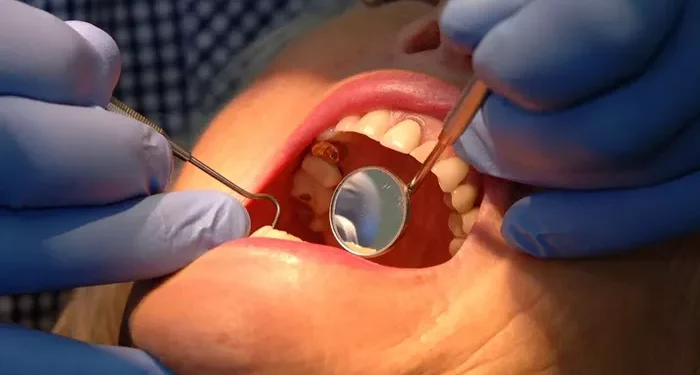
A shortage of NHS dental care in Cambridgeshire has left some residents travelling long distances for treatment — and, councillors say, driven others to attempt dangerous self-care.
At a county council meeting this week, members raised alarm about access to NHS dentists across the area. Councillors said patients are travelling to Bedford and Hertfordshire for care, paying privately, going without treatment — or, in extreme cases, removing their own teeth with pliers.
The Integrated Care Board (ICB) presented a progress report on efforts to improve services. Officials said the ICB has allocated an additional £6.1 million to develop a dental improvement plan and has run local initiatives, including extra access sessions that treated about 13,000 patients in the past year. Under a national scheme the area was also given 14,195 extra urgent-appointment slots.
NHS England has offered up to £20,000 per placement to recruit 12 new dentists to the county; so far only four posts have been filled. An ICB representative warned there are “a significant number of challenges” but said work to recruit remaining dentists continues.
Labour councillor Richard Howitt acknowledged the ICB’s efforts but said public perception remains that access is “chronically” inadequate. “I do not think as far as the public is concerned that they have seen a material difference,” he said, questioning whether the ICB’s ambition has been sufficient.
Liberal Democrat councillor Lorna Dupré said she had spoken to residents forced to travel to Bedford because no local NHS dentist is available. “Those who cannot get NHS dental treatment are either going private, or they are going without, or they are in extremes pulling teeth out with pliers,” she told the meeting.
Conservative councillor Dr Haq Nawaz cited a case in which a patient was told the nearest NHS dentist to Whittlesey was 57 miles away in Hertfordshire.
Councillors also questioned whether the ICB understands true local need. The ICB said it lacks a registration list comparable to GP records and relies on public-health data and anecdotal reports. Officials said they are now “much more informed” after recent data reviews but acknowledged gaps remain.
ICB representatives noted that the national NHS dental contract, introduced in 2006 and based on 2005 data, limits local flexibility. They said while some uplifts have been made, allocations have not kept pace with Cambridgeshire’s population growth.
Councillors raised doubts about whether the £20,000 recruitment incentive is sufficient; the meeting heard that practice owners commonly retain around 60% of such payments, leaving the dentist with the remainder.
The ICB said it is exploring ways to incentivise NHS work and create more flexible local arrangements, but stressed that many levers are controlled nationally. Recruitment and contract reform remain central to any lasting improvement, the board added.