


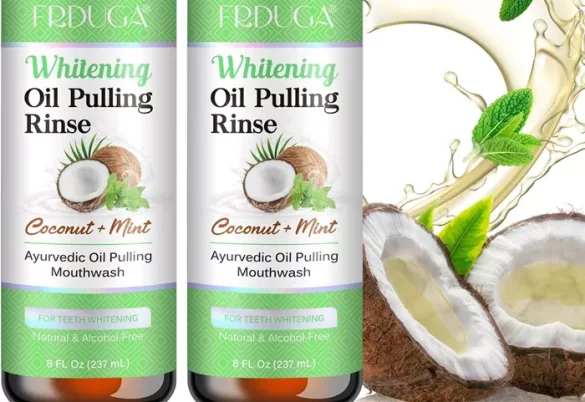
Dental care in early childhood shapes oral health for life. Many parents now explore natural products. Coconut oil often attracts attention. It feels gentle. It smells pleasant. It seems safe. But dentistry requires evidence. This article explains whether brushing a toddler’s teeth with coconut oil is safe, effective, and appropriate.
Understanding Toddler Oral Health Needs
Toddlers experience rapid oral development. Baby teeth erupt quickly. Enamel remains thin. Gums stay sensitive. Oral bacteria begin colonization early. These bacteria feed on sugars. Acids form. Cavities can develop fast.
Toddlers lack refined brushing skills. They swallow easily. They explore textures with their mouths. Therefore, dental products must be safe if ingested. They must also clean effectively. Safety alone is not enough. Protection matters.
Why Early Dental Care Is Critical
Primary teeth guide speech. They help chewing. They hold space for permanent teeth. Early decay increases infection risk. Pain affects eating. Sleep suffers. Dental anxiety may form early.
Professional guidelines recommend brushing when the first tooth erupts. Twice daily brushing becomes ideal. Parental assistance remains necessary until around age six or seven.
What Is Coconut Oil?
Coconut oil comes from mature coconuts. It contains saturated fatty acids. Lauric acid dominates its profile. Lauric acid shows antimicrobial properties in laboratory studies. Coconut oil remains solid at room temperature in cooler climates. It melts easily in the mouth.
People use coconut oil for cooking. They also use it in skincare. Traditional medicine uses it widely. In dentistry, it appears mainly in oil pulling practices.
Composition of Coconut Oil
Coconut oil contains approximately fifty percent lauric acid. It also includes capric acid and caprylic acid. These fats disrupt lipid membranes of some microbes. Coconut oil lacks fluoride. It lacks abrasives. It lacks remineralizing agents.
These facts matter when evaluating its dental role.
The Concept of Brushing Teeth with Coconut Oil
Some parents apply coconut oil directly to a toothbrush. Others rub it on teeth using a cloth. Some mix it with baking soda. Some use it alone.
The idea centers on natural cleaning. It also focuses on antibacterial action. Many parents wish to avoid fluoride ingestion. Coconut oil feels safer.
However, dentistry evaluates function, not just intention.
Difference Between Cleaning and Protecting
Cleaning removes debris. Protection strengthens enamel. Coconut oil may help with surface cleaning. It does not strengthen enamel. It does not repair early demineralization.
Toothpaste functions differently. Fluoride integrates into enamel. It forms fluorapatite. This compound resists acid. Coconut oil cannot replicate this effect.
Is Coconut Oil Safe for Toddlers?
Safety remains the first concern. Coconut oil is edible. It is generally safe if swallowed. Allergies to coconut are rare. However, they do exist. Parents must monitor reactions.
Choking risk remains minimal because coconut oil melts quickly. Aspiration risk stays low when used in small amounts.
Therefore, coconut oil is usually safe from a toxicity standpoint.
Safety Does Not Equal Effectiveness
A product can be safe but ineffective. Dentistry requires both. Coconut oil does not provide cavity prevention equal to fluoride toothpaste. This distinction is crucial.
Safety alone should not guide dental choices. Outcomes matter more.
Does Coconut Oil Prevent Cavities?
Scientific evidence remains limited. Laboratory studies show antimicrobial activity. Some bacteria respond to lauric acid.
However, the oral environment is complex.
Plaque biofilm protects bacteria. Coconut oil does not penetrate biofilm deeply. It lacks mechanical abrasion. It lacks chemical enamel reinforcement.
Clinical studies do not support coconut oil as a cavity-preventing agent for toddlers.
Comparing Coconut Oil and Fluoride Toothpaste
Fluoride toothpaste reduces cavities significantly. Evidence spans decades. Public health studies confirm benefit.
Coconut oil lacks comparable data. Anecdotes do not replace trials. Professional recommendations rely on evidence.
Oil Pulling and Toddlers
Oil pulling involves swishing oil in the mouth. Adults practice it for several minutes. It is not suitable for toddlers. Swishing requires control. Toddlers swallow reflexively.
Using coconut oil as toothpaste differs from oil pulling. Still, confusion exists. Parents should not attempt oil pulling with children.
Risk of Aspiration During Oil Pulling
Aspiration pneumonia can occur if oil enters the lungs. Toddlers cannot control swishing. This risk outweighs any perceived benefit.
Therefore, oil pulling should never be used in young children.
Potential Benefits of Coconut Oil for Toddler Teeth
Coconut oil may offer mild benefits. It can moisturize gums. It can reduce dryness. It can help loosen soft debris.
Some toddlers accept its taste. This acceptance may encourage brushing habits. Habit formation matters.
However, these benefits remain secondary. They do not replace preventive care.
Behavioral Benefits vs Clinical Benefits
If coconut oil makes brushing easier, it may support routine. Yet routine without protection still allows decay.
Behavior supports health. It does not replace science.
Risks and Limitations of Using Coconut Oil
Coconut oil lacks fluoride. This absence increases cavity risk. Toddlers already face high risk due to diet and brushing skills.
Coconut oil is also non-abrasive. Plaque removal remains incomplete. Sticky foods adhere to teeth. Oil alone may not remove them.
Overreliance creates false security. Parents may delay dental visits. Decay progresses silently.
Risk of Early Childhood Caries
Early childhood caries progresses rapidly. Baby teeth have thinner enamel. Once decay begins, it spreads fast.
Without fluoride, this risk increases. Coconut oil does not halt this process.
What Do Pediatric Dentists Recommend?
Professional organizations provide clear guidance. The American Academy of Pediatric Dentistry recommends fluoride toothpaste. A smear size for children under three. A pea-sized amount for children three to six.
Supervision is essential. Spitting improves with age. Swallowing small amounts of fluoride toothpaste is safe.
No major dental organization endorses coconut oil as a sole brushing agent.
Professional Consensus Matters
Dentistry bases recommendations on population outcomes. Individual preferences matter less than proven benefit.
Parents should follow evidence-based advice.
Fluoride Concerns Among Parents
Many parents fear fluoride ingestion. This fear often stems from misinformation. Fluoride toxicity requires high doses. Toothpaste amounts used for toddlers remain far below harmful levels.
Fluoride strengthens enamel. It reduces decay risk dramatically. The benefit outweighs the risk when used correctly.
Dentists emphasize supervision. They do not advise avoidance.
Understanding Fluorosis Risk
Fluorosis affects developing enamel. It occurs with excessive fluoride ingestion over time. Using recommended toothpaste amounts minimizes this risk.
Avoiding fluoride increases cavity risk far more significantly.
Can Coconut Oil Be Used Occasionally?
Some parents ask about occasional use. For example, during travel. Or when toothpaste runs out. In such cases, coconut oil can be a temporary alternative.
It should not replace daily fluoride toothpaste. It should not be the primary method.
Occasional use does not cause harm. Regular exclusive use creates risk.
Situations Where Coconut Oil May Be Acceptable
Temporary shortages. Sensory aversion to toothpaste. Short-term transitions. These contexts allow flexibility.
However, professional guidance should resume quickly.
How to Brush a Toddler’s Teeth Properly
Technique matters more than product alone. Parents should use a soft-bristled brush. The brush should be age-appropriate. The head should be small.
Brushing should last two minutes. Gentle circular motions work best. All surfaces need attention.
Parents should brush for the child. Toddlers lack coordination.
Positioning and Cooperation Tips
Knee-to-knee positioning helps. Singing distracts. Routine builds acceptance. Praise reinforces behavior.
Consistency builds habit. Habit supports health.
Diet and Its Role in Toddler Dental Health
Sugar intake affects cavity risk. Frequent snacking increases acid exposure. Sticky foods cling to teeth.
Water between meals helps. Milk at bedtime increases risk if teeth are not cleaned afterward.
No oil can counter poor diet. Nutrition and hygiene work together.
Hidden Sugars to Watch For
Juice. Crackers. Dried fruit. Sweetened yogurt. These foods appear healthy but promote decay.
Reading labels helps. Moderation matters.
First Dental Visit and Professional Care
The first dental visit should occur by age one. Or within six months of the first tooth. Early visits focus on education. They build familiarity.
Dentists assess risk. They apply fluoride varnish if needed. They guide parents.
Skipping visits delays intervention.
Why Early Visits Reduce Anxiety
Early exposure normalizes dental care. Children accept treatment more easily later. Fear decreases.
Prevention becomes routine.
Natural Alternatives to Coconut Oil
Some parents seek natural toothpaste. Many fluoride toothpastes use mild flavors. Some use xylitol. Xylitol reduces bacterial activity.
These products still include fluoride. They balance natural preferences with evidence.
Pure oil alone lacks this balance.
Xylitol and Its Dental Role
Xylitol reduces Streptococcus mutans levels. It interferes with bacterial metabolism. It supports cavity prevention.
Combined with fluoride, it enhances protection.
Conclusion
Coconut oil is generally safe if swallowed. It does not poison toddlers. However, it does not prevent cavities effectively. It lacks fluoride. It lacks enamel protection.
Using coconut oil alone to brush a toddler’s teeth is not recommended. Evidence does not support it. Professional guidelines oppose replacing fluoride toothpaste. Parents may use coconut oil occasionally. They should not rely on it daily.
Fluoride toothpaste remains essential. Dental health in toddlers depends on evidence-based care. Prevention begins early. Choices today affect lifelong outcomes.