


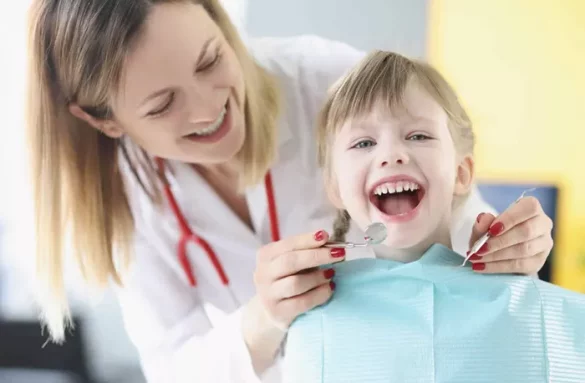
Dental cavities are one of the most common health problems in children worldwide. A cavity forms when tooth enamel becomes weak and starts to break down. This process is slow. It often begins long before a hole can be seen. Parents often ask an important question. Can a cavity heal without fillings in kids? The answer depends on timing, tooth structure, and daily care. Early-stage cavities can sometimes be stopped or reversed.
What Is a Cavity and How Does It Start?
A cavity is tooth decay. It begins when bacteria in the mouth feed on sugars. These bacteria produce acids. Acid attacks tooth enamel. Enamel is the hard outer layer of the tooth. In children, enamel is thinner. This makes damage easier. At first, the damage is invisible. This stage is called demineralization. Minerals like calcium leave the enamel. If the process continues, a hole forms. At that point, a filling is usually required.
Can Cavities Heal Naturally in Kids?
Not all cavities are the same. Early cavities can heal. Advanced cavities cannot. If decay has not passed through the enamel, healing is possible. The body can replace lost minerals. This process is called remineralization. Saliva plays a key role. Fluoride helps too. Once decay reaches dentin, the inner layer, healing without fillings is not possible. This is why early detection matters.
Why Children Are at Higher Risk of Cavities
Children face unique risks. Their enamel is softer. Their brushing skills are still developing. Many kids enjoy sweet snacks. Juice and milk contain sugars. Sticky foods stay on teeth longer. Some children breathe through their mouths. This reduces saliva flow. Less saliva means less natural protection. Understanding these risks helps parents act early.
Signs of an Early Cavity in Kids
Early cavities do not always hurt. Parents must watch closely. White chalky spots on teeth are an early sign. These spots often appear near the gums. Sensitivity to cold can occur. Mild discomfort during brushing may appear. Bad breath that does not go away is another clue. Regular dental checkups are essential. Dentists can spot early decay before pain starts.
The Role of Remineralization
Remineralization is the natural repair process of teeth. Minerals are redeposited into weakened enamel. Calcium and phosphate are key minerals. Saliva carries them. Fluoride strengthens this process. It makes enamel more resistant to acid. In kids, remineralization works best when decay is very early. Daily habits decide success.
Daily Oral Hygiene for Healing Early Cavities
Good hygiene is the foundation. Brushing twice a day is essential. Use a soft toothbrush. Use a pea-sized amount of fluoride toothpaste. Parents should help young children brush. Nighttime brushing is critical. Bacteria work more at night. Flossing removes plaque between teeth. Plaque traps acid. Clean teeth heal better.
Choosing the Right Toothpaste for Kids
Fluoride toothpaste is recommended by dental associations. Fluoride strengthens enamel. For children under three, use a smear. For children over three, use a pea-sized amount. Some parents prefer hydroxyapatite toothpaste. This mineral mimics natural enamel. Studies show benefits for early decay. Always choose products approved by dental professionals.
Diet Changes That Support Cavity Healing
Diet has a direct impact on teeth. Sugar feeds harmful bacteria. Reducing sugar intake is vital. Avoid frequent snacking. Each snack triggers acid attacks. Choose whole foods. Cheese supports enamel. Yogurt provides calcium. Crunchy vegetables stimulate saliva. Water is the best drink. Avoid juice before bed.
The Importance of Calcium and Vitamin D
Calcium builds strong teeth. Vitamin D helps absorb calcium. Kids need both daily. Milk, cheese, and leafy greens are good sources. Sunlight helps vitamin D production. Some children need supplements. A pediatrician can advise. Strong teeth resist decay better.
How Saliva Helps Heal Teeth
Saliva is a natural defense. It washes away food particles. It neutralizes acids. It delivers minerals. Dry mouth increases cavity risk. Encourage kids to drink water. Sugar-free gum can help older children. Chewing stimulates saliva flow. Avoid acidic drinks that dry the mouth.
Fluoride Treatments Without Fillings
Professional fluoride treatments can stop early decay. Dentists apply fluoride varnish. The process is quick and painless. Fluoride penetrates enamel. It promotes remineralization. Many schools offer fluoride programs. These treatments are safe and effective when used correctly.
Silver Diamine Fluoride for Children
Silver diamine fluoride, or SDF, is another option. It stops cavity progression. It kills bacteria. It hardens weakened enamel. SDF does not require drilling. It is useful for young or anxious children. The main drawback is staining. Treated areas turn dark. Dentists explain benefits and limits before use.
Dental Sealants as a Preventive Tool
Sealants protect chewing surfaces. Molars have deep grooves. Food gets trapped there. Sealants cover these grooves. They block bacteria. Sealants do not heal cavities. They prevent new ones. They are often used alongside remineralization strategies.
Oral Probiotics and Bacterial Balance
Not all bacteria are harmful. Some protect teeth. Oral probiotics aim to balance bacteria. Research is ongoing. Early results are promising. Probiotics may reduce cavity-causing bacteria. They are not a replacement for brushing. They are a supportive measure.
Common Myths About Healing Cavities Naturally
Many myths exist. Oil pulling alone cannot heal cavities. Herbal pastes cannot rebuild enamel fully. Avoiding dentists does not help. Natural approaches work best with professional guidance. Science-based methods should always lead decisions.
When Fillings Are Still Necessary
Some cavities cannot heal naturally. Pain is a warning sign. Visible holes indicate advanced decay. Infection risk increases. In these cases, fillings protect the tooth. Delaying treatment can cause more damage. A dentist decides the best option.
The Role of Regular Dental Visits
Dental visits should start early. The first visit is recommended by age one. Regular checkups catch problems early. Dentists offer guidance. They monitor enamel changes. Professional advice makes home care more effective.
Teaching Kids Healthy Oral Habits
Education matters. Kids should learn why brushing is important. Make brushing fun. Use songs or timers. Let kids choose their toothbrush. Positive habits formed early last longer. Healthy routines reduce cavity risk.
Parental Involvement Is Essential
Children need guidance. Parents control diet choices. Parents supervise brushing. Consistency matters. Praise good habits. Avoid using sweets as rewards. Oral health is a family effort.
Special Considerations for Baby Teeth
Baby teeth matter. They guide permanent teeth. Decay in baby teeth can affect adult teeth. Early cavities should not be ignored. Healing strategies apply to baby teeth too. Professional advice is crucial.
Scientific Evidence Supporting Early Cavity Reversal
Studies support remineralization. Fluoride reduces decay rates. Diet changes show clear benefits. Early intervention works. Dental associations endorse these methods. Evidence-based care protects children’s smiles.
Long-Term Benefits of Avoiding Fillings When Possible
Avoiding fillings preserves tooth structure. Natural enamel is stronger than artificial material. Fewer fillings mean fewer replacements later. Early care reduces dental anxiety. Healthy habits support lifelong oral health.
Conclusion
Healing a cavity without fillings in kids is possible in early stages. Success depends on timing. It requires daily care. It requires diet control. It requires professional support. Parents play a key role. Dentists provide guidance. Together, these efforts protect young teeth. Prevention is always the best treatment. Early action makes a real difference.