


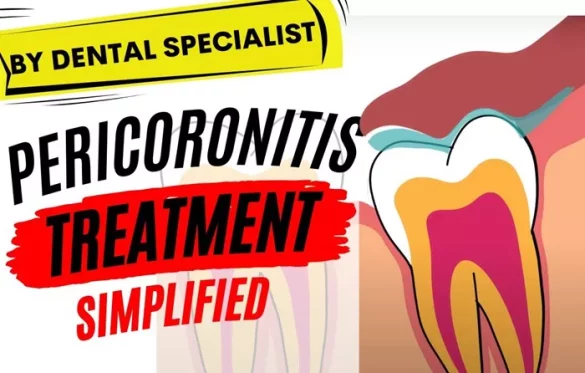
Pericoronitis is a common dental condition. It occurs when gum tissue around a partially erupted tooth becomes inflamed. The issue usually affects the lower third molars. These molars are also called wisdom teeth. When they erupt incorrectly, a gum flap forms. This flap is known as an operculum. Food debris becomes trapped under the flap. Bacteria multiply.
Inflammation begins. The patient feels pain. The patient feels swelling. The patient sometimes feels systemic discomfort.
One question arises often. Can pericoronitis cause a sore throat? The short answer is yes. This article explains the reasons in detail. This article explores the mechanisms. This article reviews symptoms. This article discusses diagnosis.
What Is Pericoronitis?
Pericoronitis is inflammation of the soft tissue. The tissue overlies a tooth that is erupting. Wisdom teeth are usually the cause. They may not erupt properly. Sometimes they erupt diagonally. Sometimes they erupt partially. Bacteria accumulate.
Debris accumulates. The gum becomes red. The gum becomes swollen. The gum becomes painful. A foul taste may appear.
Difficulty opening the mouth may occur. This condition often affects young adults. The anatomy of the mouth plays a role. Crowding plays a role. Oral hygiene plays a role.
Types of Pericoronitis
There are two main types. Acute pericoronitis develops suddenly. It causes severe pain. It may cause fever. It may cause difficulty swallowing. Chronic pericoronitis is milder. Symptoms fluctuate. Pain comes and goes. Mild swelling appears occasionally.
Why Pericoronitis Develops
The operculum traps food. It traps plaque. It traps bacteria. This environment favors infection. Good cleaning is difficult.
The position of the tooth complicates brushing. The gum tissue becomes inflamed. If bacterial load increases, infection follows. The infection can spread. It can reach nearby tissues. It can trigger systemic responses. The throat may become irritated. The lymph nodes may swell.
Can Pericoronitis Cause a Sore Throat?
Pericoronitis can indeed cause a sore throat. The connection is logical. The mouth and throat share anatomical pathways.
Infection in one area affects the other. Inflammation travels. Bacteria spread. Pain radiates. A sore throat may develop. The patient may feel discomfort while swallowing. The sore throat may appear on the same side as the affected tooth. The soreness may feel deep. It may feel persistent. It may worsen with jaw movement.
How Inflammation Spreads to the Throat
Inflammation does not stay localized. The tissues are connected. The pericoronal region lies close to the oropharynx. When bacteria multiply under the gum flap, toxins form. These toxins irritate nearby tissues. The throat reacts. The mucosa becomes sensitive. Pain appears. The lymphatic system responds. Lymph nodes swell. This swelling contributes to throat discomfort.
Bacterial Migration and Irritation
Bacteria from the infected gum can migrate. Saliva carries them toward the throat. The throat contains soft tissues that react quickly. Irritation leads to soreness. If the bacteria are aggressive, inflammation intensifies. This increases throat pain.
The patient may believe they have a cold. They may believe they have tonsillitis. But the true source is dental.
Referred Pain and Neurological Pathways
Pain can radiate. Nerves in the mouth connect to nerves in the throat. The trigeminal nerve plays a major role. When the gum tissue becomes inflamed, nerve signals intensify. These signals travel. They can reach the throat. The brain interprets these signals as throat pain. This is called referred pain.
Symptoms Linking Pericoronitis and Sore Throat
A sore throat may appear with other symptoms. These symptoms help identify the cause. The following signs strongly suggest pericoronitis.
Pain Near the Wisdom Tooth
The patient feels pain in the back of the mouth. The gum is tender. The tissue feels swollen. Pain increases during chewing. A sore throat appears at the same time. This combination indicates a shared origin.
Bad Taste or Bad Breath
Bacterial buildup produces a foul taste. The patient may smell unpleasant breath. This is common in pericoronitis. The same bacteria irritate the throat. This increases soreness.
Redness and Swelling
The gum around the tooth becomes red. It becomes puffy. It becomes warm. Swelling extends to nearby tissues. The throat may feel inflamed. The lymph nodes may feel tender.
Difficulty Opening the Mouth
Trismus may occur. This is limited mouth opening. It results from inflammation. Muscles tighten. The jaw stiffens. This condition also affects swallowing. The throat becomes uncomfortable.
Low-Grade Fever
A mild fever may appear. Fever indicates infection. The body responds. The throat may feel sore because systemic inflammation increases overall sensitivity.
When Sore Throat Caused by Pericoronitis Becomes Dangerous
Most cases are mild. Most cases respond to dental treatment. However, some situations require urgent care. Infection can spread. It can move to the face. It can move to the neck. It can move to deeper tissues. Serious complications may occur.
Spread of Infection to the Oropharynx
If bacteria spread downward, the throat becomes severely inflamed. Swallowing becomes painful. Speaking becomes difficult. Breathing may feel restricted. This requires immediate evaluation.
Ludwig’s Angina Risk
This is a severe infection. It affects the floor of the mouth. It can close the airway. It can threaten life. Pericoronitis can lead to it. Deep infection spreads quickly. The neck swells. The throat becomes extremely sore. The patient must seek emergency care.
Sepsis Possibility
In rare cases, infection enters the bloodstream. This condition is called sepsis. Fever rises. Heart rate increases. Breathing accelerates. The throat feels raw because inflammation becomes widespread. Immediate medical care is essential.
Diagnosing Pericoronitis-Related Sore Throat
A dentist can diagnose pericoronitis. They examine the tooth. They examine the gum flap. They review symptoms. Throat pain will be considered. The dentist evaluates whether the sore throat results from dental infection.
Clinical Examination
The dentist inspects the area. Redness is visible. Swelling is visible. Pus may appear. The operculum traps debris. The throat may show mild redness.
X-Rays and Imaging
A panoramic X-ray may be taken. The dentist evaluates tooth position. The dentist assesses impaction. If sinus involvement is suspected, additional imaging may occur.
Medical History Review
The clinician asks when the pain started. They ask whether swallowing hurts. They ask whether fever is present. This helps confirm the link between pericoronitis and sore throat.
Treatment for Pericoronitis-Related Sore Throat
Treatment aims to reduce inflammation. It aims to reduce bacterial load. It aims to relieve pain. It aims to prevent complications. It also aims to protect the throat from further irritation.
Professional Cleaning of the Operculum
The dentist removes debris. They flush the area. They use saline. They use chlorhexidine. They use sterile instruments. This reduces bacterial load. This reduces throat irritation.
Antibiotic Therapy
Antibiotics may be required. They control infection. They reduce swelling. They reduce systemic symptoms. They reduce sore throat discomfort. Common antibiotics include amoxicillin. Alternatives include metronidazole. Severe cases may need combinations. Antibiotics must be used correctly. Patients should avoid self-medication.
Pain Management
Analgesics help. Ibuprofen reduces pain. It reduces swelling. Acetaminophen reduces discomfort. These medicines also ease throat pain caused by referred pathways.
Warm Salt Water Rinses
Patients rinse gently. Saltwater reduces bacteria. It soothes gum tissue. It also calms throat irritation. Warm saline is safe and simple.
Improved Oral Hygiene
Cleaning becomes important. Patients must brush carefully. Patients must clean around the operculum. Antimicrobial rinses help. Good hygiene lowers throat symptoms by lowering bacterial load.
Removal of the Operculum or Wisdom Tooth
If symptoms persist, surgical intervention may be needed. The dentist may remove the gum flap. This eliminates the trap for bacteria. In most cases, wisdom tooth removal is recommended. Extraction removes the source. Once extracted, throat symptoms resolve.
Home Care Tips for Managing Sore Throat from Pericoronitis
Home care supports dental treatment. Home care reduces inflammation. Home care eases discomfort. Home care protects the throat.
Hydration
Water helps. It keeps tissues moist. It reduces irritation. It flushes bacteria. It supports healing.
Warm Fluids
Warm tea soothes the throat. Warm broth helps comfort. Heat relaxes tissues. Pain decreases.
Avoiding Irritants
Patients should avoid smoking. Smoke worsens inflammation. Patients should avoid alcohol. Alcohol dries tissues. Throat pain increases.
Soft Diet
Chewing hard foods hurts. Soft foods reduce jaw strain. Gentle chewing reduces throat discomfort.
How to Prevent Pericoronitis and Related Sore Throat
Prevention is simple. Prevention requires awareness. Prevention requires hygiene. Prevention requires dental visits.
Regular Brushing
Brushing removes debris. It removes plaque. It reduces bacteria. It prevents infection.
Wisdom Tooth Evaluation
Dentists must monitor wisdom teeth. Early detection helps. Impaction can be predicted. Removal may be recommended before problems start.
Professional Cleanings
Routine cleanings help remove buildup. They keep the mouth healthy. They reduce throat-related issues linked to dental infections.
Timely Extraction
If a wisdom tooth causes repeated inflammation, extraction is important. It prevents chronic pericoronitis. It prevents recurrent throat irritation.
FAQs
Is a sore throat from pericoronitis common?
Yes. Many patients experience throat discomfort. It often occurs on the same side as the infected tooth.
How long does the sore throat last?
If treated early, symptoms improve within a few days. Without treatment, symptoms persist. They may worsen.
Can pericoronitis mimic tonsillitis?
Yes. The pain may feel similar. The throat may feel inflamed. But tonsils are often normal upon exam. This helps dentists identify the source.
Does treating the tooth fix the throat pain?
Yes. Once inflammation decreases, the throat pain disappears. Removing the wisdom tooth provides long-term relief.
Conclusion
Pericoronitis is a common dental condition. It affects young adults. It affects wisdom teeth. The inflammation can spread.
The bacteria can irritate the throat. Nerve pathways can radiate pain. A sore throat may develop. The symptoms can become severe if ignored. Diagnosis is essential. Treatment is effective. Prevention is simple. Patients must act early. Good oral hygiene helps. Professional care provides relief. Wisdom tooth removal may be necessary.