


Pericoronitis is an inflammation of the gum tissue surrounding a partially erupted tooth. It often affects the lower third molars. It develops when bacteria, food debris, or plaque accumulate under the gum flap. The condition can lead to pain, swelling, and difficulty opening the mouth. It may also cause a bad taste or odor. Many patients experience recurring episodes. These episodes become more common during the late teens and early twenties when wisdom teeth erupt.
The core mechanism behind pericoronitis is mechanical irritation and bacterial overload. A partially erupted tooth creates a pocket. This pocket traps debris. The trapped debris creates a moist and warm environment. Bacteria multiply quickly. The gum tissue responds with inflammation. Swelling, redness, and pain follow. Though bacteria are involved, the condition itself is not classified as a contagious disease. Instead, it is a localized response to dental circumstances.
Understanding Whether Pericoronitis Is Contagious
The central question is whether pericoronitis can spread from person to person. The short answer is no. Pericoronitis is not contagious. It does not spread through saliva. It does not spread through sharing utensils. It does not spread through kissing. It does not spread through airborne droplets. The inflammation is confined to the individual affected. The root cause lies in dental anatomy, hygiene habits, and bacterial imbalance in the mouth.
Pericoronitis is similar in nature to gum irritation around orthodontic appliances or food-impaction gingivitis. These conditions are also not contagious. They develop due to structural factors. They occur because of local bacterial overload in one person’s mouth. Although oral bacteria can pass from person to person, the disease process requires specific conditions.
Without a partially erupted tooth or debris-trapping flap, inflammation cannot occur. This is why even if oral bacteria are shared, pericoronitis itself does not spread.
Why Oral Bacteria Do Not Make the Condition Contagious
Oral bacteria naturally move between people. This transfer occurs through normal contact. Such interactions include kissing or sharing straws. Parents transfer bacteria to children. Partners share oral bacteria over time. Despite this transfer, inflammatory gum conditions remain unique to each individual. The presence of bacteria alone does not cause pericoronitis. The partially erupted tooth is essential. Without the gum flap trapping debris, inflammation cannot develop.
Therefore, bacterial transfer does not translate to spreading the disease.
Oral ecosystems differ between individuals. Each person has a unique microbiome. Even if two people exchange oral bacteria, the reaction of their gums may differ. Genetics, immunity, and dental anatomy influence gum responses. Some people develop inflammation easily. Others do not. These factors further prove that pericoronitis is not a communicable condition.
What Actually Causes Pericoronitis
Pericoronitis develops because of trapped bacteria, poor hygiene access, and anatomical obstruction. Several triggers interact. The main cause is a small flap of gum tissue. This flap partially covers a tooth. Food debris lodges beneath it.
Bacteria grow quickly. The immune system reacts with inflammation. People with inadequate access for brushing are at higher risk. The lower third molars are located near the back of the mouth. This area is difficult to clean. Crowding increases the challenge.
Anatomical Factors Leading to Pericoronitis
Wisdom teeth are the last teeth to erupt. The jaw often lacks adequate space. The limited space keeps the tooth from fully erupting. A partially erupted tooth creates an operculum. The operculum is a loose gum flap. This flap covers part of the chewing surface. It behaves like a pocket. It retains food and bacteria. Brushing cannot fully remove trapped particles.
Chewing may force additional debris into the flap. Swelling ensues. The swelling then further obstructs cleaning, creating a cycle of inflammation.
Bacterial Overgrowth in the Gum Pocket
The pocket under the gum flap is warm and moist. This biological environment is ideal for anaerobic bacteria. These bacteria thrive without oxygen. They break down trapped food debris. They produce toxins and inflammatory substances.
The gums react by swelling. Pain increases as pressure builds. These bacteria are normal residents of the mouth. The problem is not their presence but their concentration. When too many bacteria accumulate, inflammation begins.
Food Impaction and Oral Hygiene Challenges
Food impaction is common near wisdom teeth. Sticky foods lodge in the gap. Hard foods scrape the gum tissue. Poor brushing technique worsens the problem. Some people cannot reach the area due to gag reflex sensitivity. Without thorough cleaning, debris remains. The bacterial load builds. Inflammation intensifies. Even people with excellent hygiene may struggle. The location alone creates difficulty. This is why young adults experience pericoronitis more often than older adults.
Symptoms That Distinguish Pericoronitis
Pericoronitis has distinctive symptoms. These symptoms help clinicians diagnose the condition. Localized pain occurs most frequently. The pain may radiate to the ear or throat. Swelling is common. The gum around the wisdom tooth becomes red and tender. Some patients report pus discharge. Others experience unpleasant taste. Limited mouth opening can occur. This phenomenon is called trismus. Trismus happens when inflammation spreads to surrounding tissues. Fever can develop during severe cases.
The condition can occur as acute or chronic. Acute pericoronitis develops suddenly. It includes intense pain and swelling.
Chronic pericoronitis develops gradually. Symptoms appear mild but long-lasting. Patients may feel discomfort while chewing. They may experience bad breath. Chronic inflammation may flare into an acute episode. Dentists often observe these patterns during wisdom tooth eruption.
Recognizing When Symptoms Become Severe
Some cases require urgent attention. Severe swelling that interferes with swallowing is serious. Difficulty breathing is a medical emergency. High fever indicates spreading infection. Facial swelling that worsens quickly signals potential abscess formation. Severe trismus limits daily function. Patients experiencing these symptoms must seek immediate dental or medical care. While pericoronitis is not contagious, its complications can be serious if ignored.
How Pericoronitis Differs From Contagious Oral Infections
Many oral infections are contagious. These include viral conditions. Examples include cold sores and hand-foot-and-mouth disease. These infections spread through saliva or contact. Pericoronitis is different. It is a mechanical-bacterial inflammatory process. It requires a specific anatomical situation. Without a wisdom tooth partially erupting, the condition cannot occur.
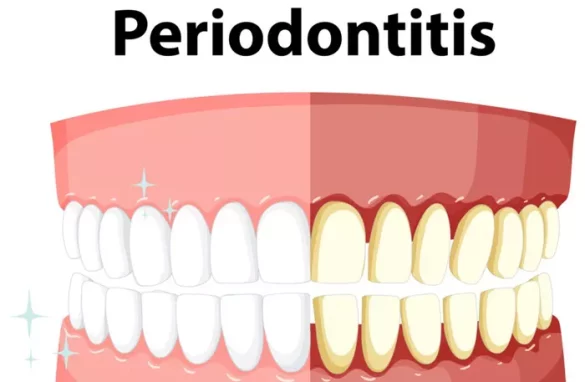
Some bacterial oral diseases spread. Gingivitis and periodontitis involve bacteria. Yet they are not considered contagious.
They develop due to plaque buildup. The same principle applies to pericoronitis. The bacteria associated with pericoronitis exist normally in healthy mouths. The disease only appears when structural conditions allow it. This distinction is essential for understanding why pericoronitis does not spread from one individual to another.
Differences Between Pericoronitis and Infectious Oral Diseases
Pericoronitis involves inflammation around a tooth. Contagious infections involve pathogens that spread. Viral infections rely on direct transfer. Pericoronitis relies on debris retention. Infectious diseases require replication in a host. Pericoronitis requires mechanical obstruction. Contagious conditions appear even in the absence of a tooth anomaly. Pericoronitis cannot appear without a partially erupted tooth. This dependence on specific anatomy sets it apart from communicable diseases.
Risk Factors That Increase the Likelihood of Pericoronitis
Certain individuals develop pericoronitis more easily. Crowded jaws create conditions that trap the tooth. People with poor oral hygiene are at higher risk. Smokers face increased inflammation. Medical conditions that reduce immunity can worsen symptoms. Stress affects immune function. Hormonal changes influence gum response. These variables differ among individuals. They do not influence contagiousness. Instead, they influence personal susceptibility.
Age-Related Risk
Most cases occur between ages 17 and 25. This period coincides with wisdom tooth eruption. Younger patients often have partial eruption for extended periods. This creates prolonged vulnerability. Older adults are less affected. Their wisdom teeth may be fully erupted or removed. This relationship between age and dental anatomy further supports why pericoronitis is not spread between individuals.
Oral Health-Related Risk
Poor brushing habits increase risk. Inconsistent flossing contributes. People who avoid dental visits are more vulnerable. Persistent plaque accumulates. Bacteria multiply rapidly. The debris trapped under the gum flap increases. Patients with braces or appliances may find cleaning more difficult. These behaviors affect individuals directly. They do not impact others.
Thus, they do not contribute to contagion.
How Dentists Diagnose Pericoronitis
Dentists diagnose the condition by examining the gums. They evaluate swelling, redness, and tenderness. They assess the degree of tooth eruption. They gently retract the gum flap. This reveals debris or pus. They check for trismus. They evaluate lymph nodes. X-rays may help assess tooth angle. If the tooth is impacted, long-term solutions may involve extraction.
Diagnosis depends on clinical signs. The condition is clearly localized. No diagnostic criteria suggest contagion.
Diagnostic Procedures
An intraoral exam provides primary information. Dentists may flush the pocket with saline. They check for pain response.
They look for tissue overgrowth. Radiographs show whether the tooth has enough space. Panoramic X-rays offer a full view.
They reveal bone depth and tooth angulation. None of these procedures indicate potential for spreading to other people. The inflammation remains limited to the affected tooth.
Long-Term Outlook for Individuals With Pericoronitis
Most people recover fully. Treatment resolves inflammation. Pain decreases after cleaning. Recurrence is common without extraction. Long-term prognosis improves significantly after wisdom tooth removal. Chronic cases require monitoring.
Dentists ensure no spread of bacterial infection into deeper tissues. Once treated, the condition does not affect others. It does not cause outbreaks. It does not require isolation.
When to Seek Professional Help
Patients should seek help when pain persists. Swelling that interferes with chewing requires evaluation. Difficulty opening the mouth is important to address. Severe symptoms require immediate care. Early diagnosis prevents complications.
Patients should not assume self-care is enough. Professional cleaning is vital. Timely intervention prevents abscess formation.
Conclusion
Pericoronitis cannot spread from one person to another. It is a localized gum inflammation. It occurs due to specific anatomy. It depends on debris trapping. It involves normal oral bacteria. It does not transmit through saliva. It does not transmit through contact. Understanding these facts reduces misunderstandings. Proper treatment and prevention ensure good oral health.