


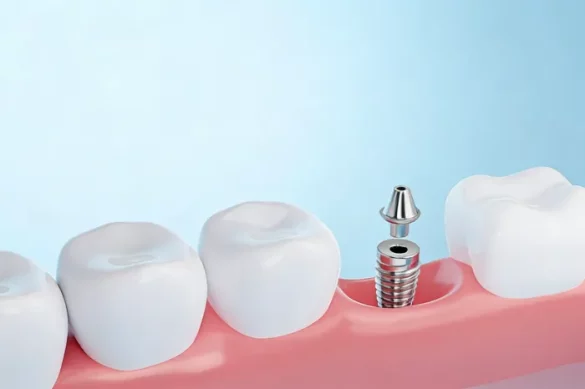
Most people believe dental implants are a permanent solution for missing teeth. titanium dental implants are widely used by dentists because they are strong, durable, and often last a lifetime. However, there are situations when a titanium dental implant might need to be removed. This article explains in detail whether titanium dental implants can be removed, how the removal process works, the reasons for removal, potential complications, and what patients can expect if removal becomes necessary.
What Are titanium dental implants?
titanium dental implants are small metal posts that replace the roots of missing teeth. They are surgically placed into the jawbone where they fuse with the bone over time. This process is called osseointegration. The fusion between the bone and implant makes titanium implants extremely stable and long-lasting. Once healed, an artificial tooth or crown is attached to the implant, allowing for normal chewing, appearance, and comfort.
Why Are Titanium Implants Popular?
Titanium is used for dental implants because it is biocompatible. This means it is tolerated well by the human body and rarely triggers negative immune responses. The strength and lightweight nature of titanium make it ideal to withstand biting and chewing pressures. Additionally, titanium does not rust or corrode, so it remains stable inside the mouth for many years.
Can titanium dental implants Be removed?
Yes, titanium dental implants can be removed. Although they are considered permanent, there are circumstances where removal is necessary. removing an implant is a surgical procedure, much like the placement process, but it focuses on extracting the post from the jawbone. Depending on how well the implant has fused to the bone, removal can range from relatively simple to more complex.
Reasons for Removing titanium dental implants
1. infection or gum disease
The most common reason for implant removal is infection. Gum disease, also called peri-implantitis, can occur around an implant just as it does with natural teeth. Severe infection can cause the bone around the implant to weaken or break down, making removal necessary to prevent further damage.
2. Implant Failure
Sometimes, the implant does not fuse properly with the jawbone. This is called failed osseointegration. As a result, the implant may become loose or painful. Implant failure can happen soon after placement or even several years later. When an implant fails, it will need to be removed.
3. allergic reaction or intolerance
Although rare, some patients may experience an allergic reaction or intolerance to titanium. Symptoms can include chronic fatigue, skin problems, headaches, or persistent inflammation. If these symptoms are linked to the presence of a titanium implant, removal is often recommended.
4. improper positioning
If the implant is placed in the wrong position, it can affect bite alignment or cause discomfort. Dentists may need to remove and reposition the implant to improve function and appearance.
5. implant fracture or damage
Very rarely, implants can break due to excessive force, trauma, or underlying bone defects. In such cases, a broken implant must be removed and replaced with a new one, if possible.
How Are Titanium Implants removed?
Removing a titanium dental implant is a minor surgical procedure. Dentists will first use local anesthesia to numb the area. If the implant has not fused completely with the jawbone, removal is relatively easy. The dentist unscrews the crown and the connecting abutment, then gently removes the implant from the bone socket.
For implants that have fully fused with the bone, removal is more complex. The dentist must carefully separate the implant from the bone, which sometimes means removing a small amount of surrounding bone tissue. Special tools and techniques are used to minimize bone loss and damage to nearby tissue.
The length of the removal procedure varies. Simple cases may take only 10 to 20 minutes. More complicated removals can take an hour or longer. The dentist will always try to reduce discomfort and minimize risk during the process.
What to Expect After implant removal
Patients may feel some discomfort, swelling, or soreness after the procedure, similar to what is experienced after implant placement or a tooth extraction. Dentists will likely prescribe medication to control pain and prevent infection. Recovery times depend on the complexity of the removal and the amount of bone affected.
In cases where infection or bone loss has occurred, additional procedures may be necessary to rebuild the jawbone before placing a new implant. Bone grafting is sometimes needed to restore sufficient bone volume for a future replacement.
Risks and Complications of implant removal
Although implant removal is considered safe, risks include:
- Damage to surrounding bone and tissue
- Infection
- Prolonged bleeding
- Delayed healing
- Jawbone weakening
Most of these risks can be managed through careful surgical technique, antibiotics, and proper aftercare. Dentists will assess individual risks before recommending removal.
Aftercare and Recovery Tips
After implant removal, following the dentist’s instructions is important for a smooth recovery. Patients should:
- Avoid hard foods for several days
- Take prescribed medications as directed
- Keep the surgical site clean and rinse as advised
- Attend follow-up visits
Proper oral hygiene and regular check-ups are essential to ensure healing and maintain the health of the remaining teeth and gums.
Alternatives to Titanium Implants
If titanium implants are removed due to intolerance or failure, several tooth replacement alternatives exist:
- Zirconia dental implants (for those allergic to metals)
- Fixed dental bridges
- Removable partial dentures
- Full dentures
Dentists will discuss these options with patients to select the most suitable replacement based on health, preferences, and budget.
When Should You Consider implant removal?
It is important to consult a dentist if you experience any of the following:
- Persistent pain or discomfort around an implant
- Swelling or signs of infection
- Loose or shifting implant
- Allergic or inflammatory symptoms
- Broken or damaged implant
Only a dental professional can assess if removal is necessary and advise on next steps.
Conclusion
titanium dental implants are intended to be permanent, but removal is possible and can be safely performed for different reasons. Whether due to infection, failure, intolerance, misplacement, or breakage, a dental specialist should evaluate your case and discuss the best approach for care and future tooth replacement. Understanding the removal process, risks, and alternatives helps patients make informed decisions about their oral health.
FAQs
Can anyone have their titanium implant removed?
Not everyone requires or should have their implant removed. Removal is only recommended if there is a clinical need, such as infection, failure, or intolerance. Your dentist will evaluate your situation.
Is the removal of titanium dental implants painful?
The procedure is performed under anesthesia, so pain is minimal during surgery. Some discomfort after the procedure is normal and can be managed with medication.
Can a new implant be placed after removal?
In many cases, yes. However, the jawbone may need to heal or be rebuilt first, especially if there was significant infection or bone loss.
Are there alternatives to titanium implants?
Yes, alternatives include zirconia implants, dental bridges, and removable dentures, each with its pros and cons.
How long does it take to remove a titanium dental implant?
Simple removals may take 10–20 minutes, while more complex cases can take longer depending on bone attachment and surgical technique.