


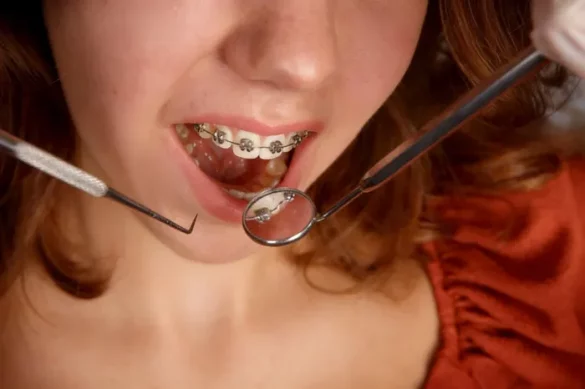
Many people considering braces want to know how long it will take to achieve a straight, beautiful smile. The timeline varies from patient to patient, and multiple factors influence how quickly braces can straighten teeth. Understanding these factors can help you set realistic expectations and make your orthodontic journey more manageable and rewarding.
What Affects the Length of braces Treatment?
Several important factors can impact how long you will wear braces. Each patient is unique, and orthodontic treatment is customized based on individual needs.
1. Severity of Misalignment
The more severe the dental misalignment, the longer the treatment will likely take. mild cases, such as slightly crooked teeth or minor gaps, can sometimes be corrected in as little as six months to a year. moderate to severe issues, like significant crowding, bite problems (such as overbites or underbites), or severely misaligned teeth, can extend treatment from 18 months up to three years.
2. Types of braces
Different types of braces can impact your treatment timeline.
- Metal braces: Traditional metal braces are the most common and effective for all types of misalignments. Treatment typically takes 18 to 36 months.
- Ceramic braces: These are less noticeable but sometimes require a little longer to deliver results, especially since they are more fragile and depend on gentler adjustments.
- Lingual braces: Placed on the inside (tongue side) of your teeth, these often take longer to achieve results, especially with complex cases, due to less direct force.
- clear aligners (Not technically braces): Suitable for mild to moderate cases. clear aligners can straighten teeth in about 6 to 24 months but require high patient compliance for success.
3. Age of the Patient
Younger patients, mainly teenagers, tend to see faster results because their teeth and jawbone are still developing. This makes tooth movement easier and more efficient. Adults can still achieve excellent results, but since bone tissue hardens with age, the process may take a little longer—typically stretching the lower range of the treatment window.
4. patient compliance
Your commitment to following your orthodontist’s instructions directly impacts the duration. Proper oral hygiene, attending scheduled orthodontic appointments, avoiding foods that could damage your braces, and wearing prescribed rubber bands or aligners as directed can significantly speed up treatment. Any negligence may increase the total time you need braces.
5. Need for bite correction
If your orthodontic treatment requires correcting your bite—such as fixing an overbite, underbite, crossbite, or open bite—it will lengthen your treatment, sometimes extending beyond two years. Bite corrections often use extra appliances alongside braces, which may increase the timeline.
Typical braces Timeline: What to Expect
Although treatment times vary, most patients follow a general path when getting braces.
Initial Consultation (1-2 Visits)
Your orthodontic journey begins with a comprehensive evaluation. The orthodontist will take X-rays, photographs, and dental impressions or scans. They’ll assess your teeth, make a diagnosis, and develop a personalized treatment plan tailored to your needs.
Placement of braces (1-2 Hours)
Once the treatment plan is ready, your braces are placed on your teeth. The process typically lasts one to two hours. Some mild discomfort is common while adjusting to the new hardware.
active treatment phase (6 months to 3 years)
This is the main period when your teeth are moving. You’ll visit your orthodontist regularly, usually every 4 to 8 weeks, for adjustments. These appointments keep the pressure on your teeth, guiding them into their correct positions. The active phase’s length depends on all the factors mentioned above but most people wear braces for one to three years.
Retention Phase: Keeping Your Smile Straight (Several Months to Years)
Once your braces come off, a retainer is custom-made for your mouth. Retainers hold your teeth in their new positions while your jawbone and gums stabilize. Most patients have to wear retainers full-time for several months, then at night for several years (sometimes longer, depending on individual needs). Skipping this phase can lead to teeth shifting back out of alignment.
How Do Different Dental Issues Affect Duration?
Straightening teeth can take different lengths of time based on the specific orthodontic problems being corrected.
closing gaps (Diastema)
Small gaps may close within a few months, but larger spaces can take closer to a year. This is usually just one part of the overall treatment and is addressed early in most treatment plans.
crowded teeth
Crowding happens when there isn’t enough space for your teeth to fit correctly. Mild to moderate cases can be fixed in 18 to 24 months. Severe overcrowding may take 2 to 3 years, especially if extractions or significant bite adjustments are needed.
severe malocclusion or complex cases
If you have a significant jaw misalignment or require surgery as part of your treatment, the duration can extend beyond the three-year mark. Complex corrections naturally take longer to achieve lasting, stable results.
Can braces Work Faster?
While there are no shortcuts to safe orthodontic treatment, a few steps can help ensure the process moves smoothly and efficiently.
- Follow all instructions: Wear any rubber bands, aligners, or additional appliances exactly as prescribed.
- Maintain excellent oral hygiene: Clean teeth are less likely to develop dental problems that can delay treatment.
- Attend all scheduled appointments: Adjustments keep your treatment on track. Missing appointments slows progress.
- Avoid hard or sticky foods: Foods that damage your braces or wires can add weeks or months to your total time.
Common Questions About braces Duration
Does It Hurt to Have braces?
Soreness and mild discomfort are normal, especially after adjustments. This is a sign your teeth are moving. Any pain typically resolves within a week and can be managed with over-the-counter medication.
Can braces straighten teeth in Less Than a Year?
In some minor cases, yes. Very small corrections may be completed in as little as six months, especially when using Invisalign or minor tooth movement techniques. However, lasting and stable results usually require at least a year.
Is the Result of braces Permanent?
The results from braces can be permanent if retainers are worn as directed and you maintain good oral health. Teeth can drift back, or relapse, without retention.
Conclusion
The question “how long do braces take to straighten teeth?” does not have a one-size-fits-all answer. Most people can expect to wear braces for 1 to 3 years, depending on the severity of misalignment, the type of braces, patient age, and the care taken during treatment. Early and consistent attention to your orthodontist’s recommendations speeds the process. No matter how long it takes, investing in orthodontic treatment creates lifelong benefits for your smile, appearance, and dental health.
FAQs
1. How long do braces usually take to work?
Most treatments last between 18 and 36 months, but minor issues can be corrected in less than one year.
2. Does the type of braces affect treatment time?
Yes. Metal braces are usually fastest, while lingual and ceramic braces may take slightly longer depending on the case.
3. Can adults get results as quickly as teenagers?
Teenagers often see quicker results due to developing bone structures, but adults can also achieve excellent outcomes, sometimes in a slightly longer time frame.
4. What happens if I miss appointments or don’t follow instructions?
Missing appointments or not caring for your braces can extend your treatment time. Consistency and compliance are important for the fastest and safest results.
5. Is wearing a retainer necessary after braces?
Yes. Retainers help keep your teeth in their new positions and prevent shifting after braces are removed.