


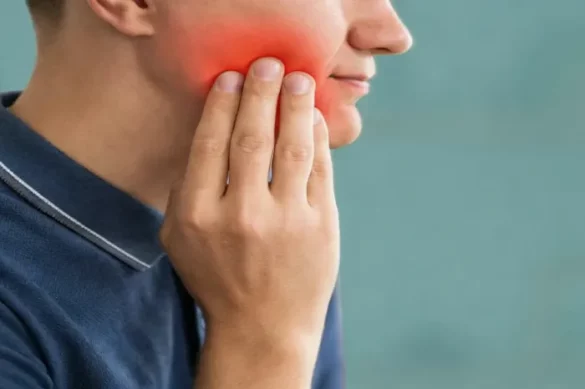
Many teenagers and parents often ask whether wisdom teeth can come in as early as age 16. This question is important because the timing of wisdom teeth eruption can vary, and early arrival sometimes causes worry. Understanding the age range for wisdom tooth eruption, signs to look for, and when to seek professional advice helps teenagers maintain good oral health and avoid unnecessary complications.
What Are Wisdom Teeth?
wisdom teeth, also known as third molars, are the last set of permanent teeth to develop in the mouth. Most people have four wisdom teeth—one in each corner of the mouth, behind the other molars. They are called “wisdom teeth” because they usually appear as teenagers mature into young adults. In the distant past, our ancestors’ diets required an extra set of molars to chew rough, uncooked foods. Today, changes in diet and jaw size mean that wisdom teeth are often less necessary and can even cause problems if they do not fit properly.
When Do Wisdom Teeth Usually Come In?
Dentists widely agree that wisdom teeth typically erupt between ages 17 and 25. However, it is entirely possible for some teenagers to get them earlier or later. A small percentage of teens begin to develop wisdom teeth at age 16, or even as early as 15. Some individuals do not get wisdom teeth until their late twenties, while others may not develop them at all. Genetics, jaw size, and dental development are the main factors affecting when wisdom teeth emerge.
Is It Normal for Wisdom Teeth to Erupt at 16?
Although age 17 to 25 is the most common range, wisdom teeth eruption at 16 is not unusual. Dentists often start monitoring for wisdom teeth as early as age 15 or 16 using X-rays during regular checkups. If wisdom teeth start to show at 16, it is usually not a cause for concern. The experience can differ greatly among individuals. Some may not notice symptoms, while others may feel discomfort or swelling.
Signs That Wisdom Teeth Are Coming In
There are a few common signs that may indicate the wisdom teeth are beginning to erupt:
- Mild discomfort or aching in the back of the jaw
- Tender or swollen gums behind the last molars
- Occasional jaw stiffness or headaches
- Slight movement or crowding of existing teeth
- Redness or soreness in the gums
These symptoms are typically mild but can sometimes become more intense if the teeth erupt at an awkward angle or there is not enough space on the jaw.
Why Do Ages Vary So Much for wisdom teeth Eruption?
Every person’s mouth is different. Genetics play a large role in determining when wisdom teeth erupt and how many will appear. While some teens may notice their wisdom teeth erupt at 16, most will see them come in later. Some people never develop wisdom teeth at all. The timing can also depend on jaw growth, overall dental health, and even family history. These differences are completely normal.
Monitoring wisdom teeth: The Role of the Dentist
Pediatric dentists and general dentists pay close attention to wisdom teeth starting in mid-teen years. Dentists monitor the space available in the mouth, the position of the erupting teeth, and check for potential problems, such as impaction or infection. Dental X-rays are especially helpful, as they show the exact location and angle of the wisdom teeth, even before they break through the gum line. This allows for early detection of possible complications.
Potential Problems with Early wisdom teeth Eruption
If wisdom teeth erupt at age 16, some teenagers may experience the following challenges:
- Impacted teeth: Sometimes, the wisdom teeth do not have enough room to come out straight and become trapped beneath the gum (impacted). This can be painful and lead to infection.
- Crowding: Early eruption may push against other teeth, causing crowding or shifting. This can affect the alignment of straightened teeth, especially for teens who have had orthodontic work.
- Gum infection or swelling: Teeth that partially erupt through the gum are harder to clean and may develop infections or gum disease.
- Tooth decay: Partially erupted teeth are more challenging to brush and floss, increasing the risk of cavities.
If any of these symptoms occur, it is important to consult a dentist for the proper diagnosis and treatment.
Do All Wisdom Teeth Need Removal?
Not all wisdom teeth need to be removed. If the wisdom teeth erupt at age 16 and there is enough room in the jaw, they may not cause any problems. Dentists might recommend extraction only if the wisdom teeth cause pain, become impacted, or threaten the health of neighboring teeth. Sometimes, wisdom teeth that emerge without issues can remain in the mouth as useful chewing teeth. Regular monitoring at dental checkups is the best way to decide if removal is necessary.
How to Manage Symptoms When wisdom teeth Erupt Early
Some teens experience mild pain or discomfort as their wisdom teeth emerge. Home remedies such as warm saltwater rinses, using an ice pack, or taking over-the-counter pain relievers can help reduce minor discomfort. Good oral hygiene is especially important at this time, as wisdom teeth at the back of the mouth are harder to clean. Brush and floss carefully, and consider using a soft toothbrush to avoid irritating sensitive gums.
If pain is severe, swelling increases, or there are any signs of infection, it is important to contact a dentist at once. Early treatment can prevent more serious complications, such as abscesses or widespread gum infection.
Preventive Care and Regular Dental Visits
Teens should continue to visit their dentist every six months, especially as their wisdom teeth begin to develop. Routine checkups often include X-rays to track the exact positioning and health of wisdom teeth. Dentists can offer personalized advice based on each teenager’s dental structure, jaw size, and risk factors for problems. Early professional guidance ensures prompt care and helps teens avoid more complicated issues later on.
Frequently Asked Questions
Can wisdom teeth come in earlier than 16?
Yes, although it is rare, wisdom teeth can sometimes begin to erupt as early as 14 or 15. However, the majority develop between ages 17 and 25.
What should I do if my wisdom teeth come in at 16?
Continue to practice good oral hygiene and schedule regular dental checkups. If you experience pain, swelling, or infection, consult your dentist for further evaluation.
Are wisdom teeth always removed if they come in early?
No. wisdom teeth are only removed if they are impacted, causing problems, or do not fit properly. If they erupt without issues, they may remain in place.
What are signs of wisdom tooth problems?
Signs include persistent pain, swelling of the jaw or gums, difficulty opening the mouth, or visible infection. If you notice these, seek dental care promptly.
Can wisdom teeth cause crowding in teeth that are already straight?
Yes, especially if there is not enough space in the jaw, wisdom teeth may push other teeth, leading to crowding or shifting. Your dentist can help decide if extraction can help prevent these issues.
Conclusion
wisdom teeth can come in at age 16, though this is not the average age for most people. The timing of eruption depends mostly on genetics, jaw growth, and individual dental development. For teens who notice wisdom teeth developing early, regular dentist visits and proper oral care are key to preventing problems. Dentists can help track the development, recommend extraction if necessary, and answer specific concerns related to early wisdom teeth eruption. With the right monitoring and timely intervention, teens can maintain good dental health and avoid complications from their wisdom teeth.