


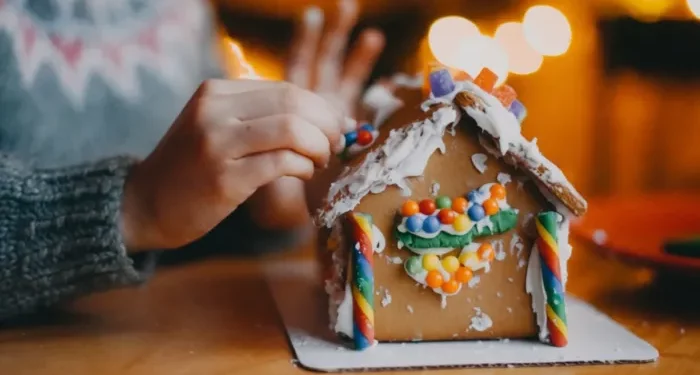
Eating sweets at the end of the year is common, with treats like candy, pies, and cookies often enjoyed during holidays. However, scientists warn that consuming sugary foods quickly impacts oral health. As soon as sugar enters the mouth, bacteria begin feeding on it, starting a process that can harm teeth within seconds. These bacteria use the sugar to grow and produce acids that raise the acidity in the mouth and threaten the hard enamel layer covering the teeth.
Saliva plays an important role in fighting these acids. After eating something sweet, saliva helps to wash away the extra sugar and neutralize the acid. The mouth contains different kinds of bacteria, and some helpful types can help keep harmful bacteria in check. However, repeatedly eating or drinking sugary things throughout the day can make it hard for the mouth to recover, and harmful bacteria have more chances to damage teeth.
Cavity-causing bacteria also form a tough, sticky layer on the teeth called a biofilm. This film, often known as dental plaque, is difficult to remove without proper brushing and dental cleaning. The biofilm acts like a hiding place for bacteria, providing a barrier that prevents saliva from neutralizing acid effectively. In this environment, helpful bacteria have trouble surviving, while the ones that cause tooth decay can keep thriving and producing acids. Over time, this weakens the enamel further and can lead to cavities that become visible or painful.
Dental experts recommend several steps to limit the risk of tooth decay. People should try to decrease the amount of sugar they consume and have sweets with meals instead of between them. Eating during meals increases saliva flow, which helps protect teeth. It is also best to avoid snacking on sugary foods or drinks over long periods, especially products with table sugar or high-fructose corn syrup, since this keeps the level of acid in the mouth higher for longer times.
Brushing teeth regularly is key for removing dental plaque, especially after eating. Daily flossing is also necessary because it cleans out plaque from spots where a toothbrush cannot reach. Following these habits can make a big difference in keeping teeth strong and healthy, helping people enjoy their favorite treats without putting their dental health at risk.
Tags: teethtoothtooth decay Read More