


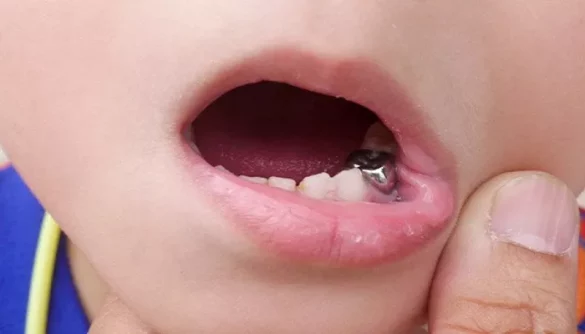
Mercury-containing dental amalgam, long used to fill cavities, is set to be phased out globally by 2034 to reduce human exposure to the toxic metal. The decision was made by the 153 parties to the Minamata Convention on Mercury during the Sixth Conference of Parties (COP-6) held last week in Geneva.
While 50 countries, including all 27 European Union member states, have already banned dental amalgam—a mixture of liquid mercury and silver—many nations, including the United States, still allow its use in dental procedures. Mercury is highly toxic, and even small amounts can cause developmental delays in children and affect the nervous, digestive, and immune systems, according to the World Health Organization (WHO).
Health and Environmental Risks of Dental Amalgam
“Use of dental amalgam poses multiple challenges,” said Monika Stankiewicz, Executive Secretary of the Minamata Convention, during a press briefing on Monday. “Dental practitioners face mercury exposure, disposal costs are high, and crematoria release mercury emissions.”
Alternatives to dental amalgam include composite resin, glass ionomer, ceramics, and gold. Stankiewicz also highlighted other convention priorities, including reducing mercury exposure in artisanal gold mining and limiting the sale of mercury-containing cosmetics, which remain accessible online despite being banned. This year’s COP drew roughly 1,000 in-person attendees and several thousand online participants.
Origins of the Minamata Convention
The treaty is named after Minamata, a Japanese city where thousands of residents suffered severe mercury poisoning in 1956. The poisoning was linked to consumption of fish and shellfish contaminated with methylmercury from chemical plant wastewater.
Adopted in 2013 and enforced from 2017, the convention has progressively restricted mercury use. Stankiewicz noted that dental amalgam has been a topic of discussion at the past three COP meetings. “Each conference has adopted measures to dramatically reduce amalgam use,” she said. “The convention already contains several restrictions on its use.”
Global Support and Controversy
The phaseout received strong backing from US Secretary of Health and Human Services Robert F. Kennedy Jr., who addressed the COP via video on November 3. Kennedy, an environmental lawyer, criticized what he called a double standard for mercury. “Why do we call it dangerous in batteries, medications, and makeup, but acceptable in vaccines and dental fillings?” he asked. While the US Food and Drug Administration has banned thiomersal—a mercury derivative used in some vaccines—the WHO continues to consider it safe.
At COP-6, some countries, including a bloc of African nations, urged an accelerated timeline to ban dental amalgam production, import, and export by 2030. They argued that they lack facilities to safely manage mercury waste. However, other nations, including the United Kingdom and India, resisted the accelerated timeline. The UK still allows amalgam use but bans it for children under 15 and for pregnant or breastfeeding women.
The global decision marks a significant step in reducing human and environmental mercury exposure, aiming for a safer, mercury-free future in dental care by 2034.