


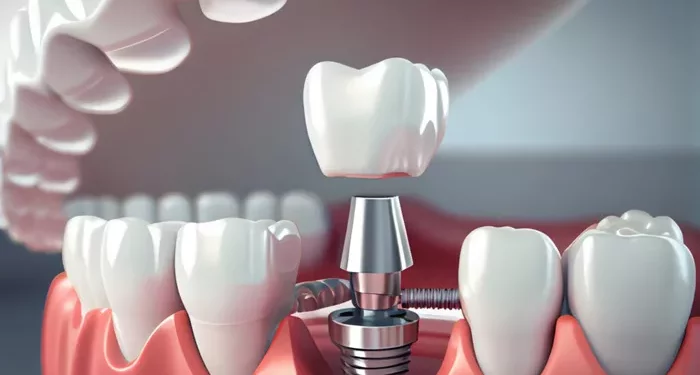
A patient from Detroit turned to cross-border care after facing high costs for dental implants in the United States, highlighting a growing trend of seeking affordable treatment abroad.
Nearly a year ago, the patient cracked a tooth beneath a dental bridge. An X-ray at a local dentist in Southfield revealed the need for a tooth extraction and two dental implants. The quoted price—$7,000 for implants alone, excluding crowns—was considered standard for the region but still expensive.
Looking for alternatives, the patient explored options outside the U.S. A friend had undergone extensive dental work in Santiago de Querétaro, saving tens of thousands of dollars despite travel and accommodation costs. Other popular destinations for Americans include Turkey, Thailand and Costa Rica.
Preferring a closer option, the patient chose Windsor, just across the border. A local referral led to a periodontist, where the total cost for two implants was approximately $3,400, aided by favorable exchange rates.
The treatment spanned nine months and required more than six visits. Each trip involved a short drive from Detroit and minimal travel expenses, making the process manageable despite repeated crossings.
Border checks were initially thorough but became routine over time. The patient reported no significant delays and often arrived early, spending time locally before appointments.
The periodontist, trained at the University of Toronto and in the U.S., emphasized that Canadian clinics use high-quality materials comparable to those in the United States. The patient reported satisfaction with both the outcome and the overall experience.
Final crowns were later completed back in Southfield, costing about $3,000 out of pocket with insurance.
While data on how many Americans seek dental care in Windsor is limited, professionals note that cross-border patients have declined since COVID-19 travel restrictions. Still, the case underscores a practical option for cost-conscious patients living near the border.
In the end, the patient achieved comparable—if not better—results at a significantly lower price, demonstrating how proximity and pricing differences can shape healthcare decisions.