


Choosing the right tooth replacement goes beyond looks. It affects your comfort, confidence, and overall quality of life. As more people explore restorative dentistry, one of the most common questions we hear is: Should I choose dentures or dental implants? Whether you need to replace one missing tooth or restore your entire smile, understanding the benefits and limitations of each option helps you make the best decision for your needs.
So, which solution is right for you? Let’s compare dentures and dental implants based on the factors that truly matter: comfort, durability, cost, and everyday function. This guide breaks everything down in clear, simple terms so you can feel informed and confident about your choice. After all, your smile impacts your health, your budget, and your daily life.
Let’s start by looking at what makes these two tooth replacement options different.
What’s the Difference Between Dentures and Dental Implants?
Both dentures and dental implants are effective solutions for replacing missing teeth, but they function in very different ways and provide distinct experiences.
Dentures are removable appliances that rest on your gums. They can replace several teeth or a full arch and do not require surgery. Many patients choose dentures because they offer a faster and more affordable solution upfront.
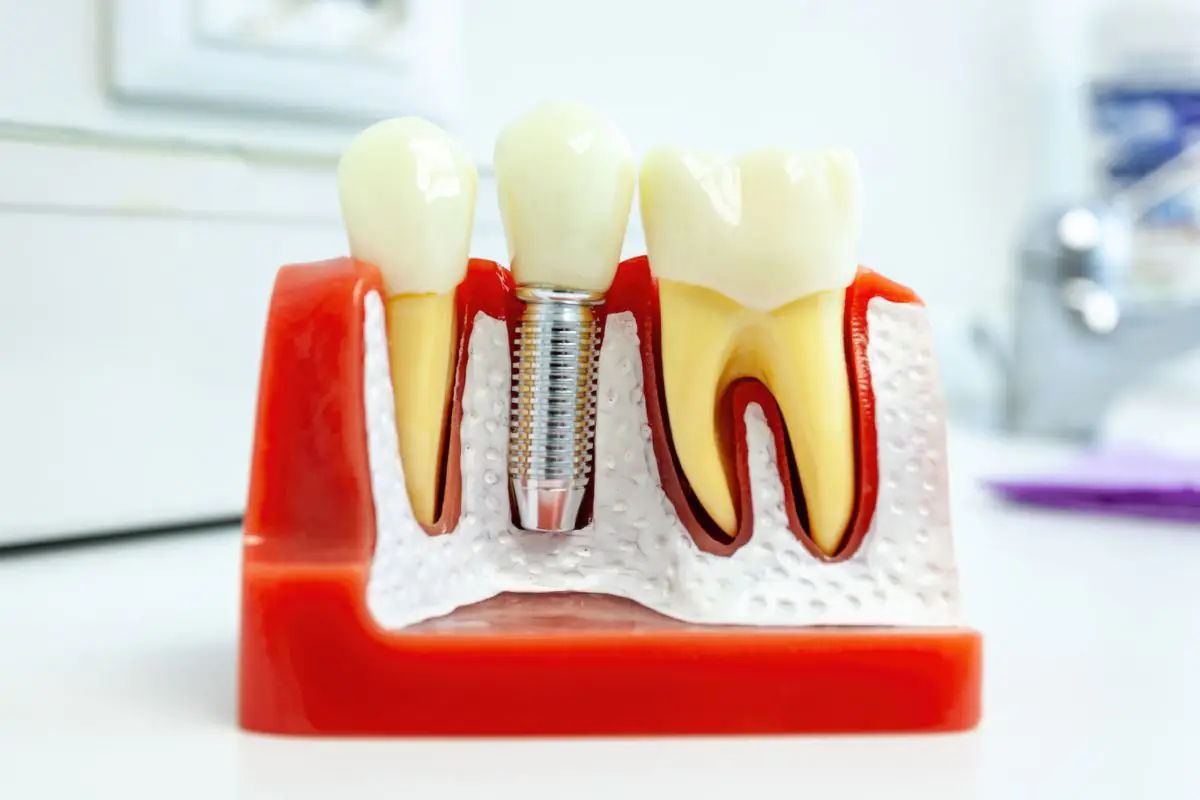
Dental implants, on the other hand, are permanent tooth replacements. A dentist places a small titanium post into the jawbone, where it acts like a natural tooth root. After healing, a custom crown attaches to the implant. Implants feel more like real teeth, provide stronger chewing power, and help prevent bone loss. The main difference comes down to stability, longevity, and how closely they mimic natural teeth.
Which Option Feels and Functions More Like Natural Teeth?
When it comes to feeling and functioning like natural teeth, dental implants come closest to the real thing. Because implants anchor directly into the jawbone, they stay firmly in place. You can bite, chew, and speak without worrying about slipping or shifting. Many patients say implants feel so natural that they forget they even have them.
Dentures, while designed for comfort and appearance, rest on the gums and may move slightly during eating or talking. They can take time to adjust to, especially at first. Although modern dentures look natural, they do not fully replicate the strength and stability of real teeth. If stability and natural function matter most, implants usually provide a better experience.
How Long Do Dentures and Implants Last?
When comparing dentures and dental implants, longevity and maintenance are major factors in your decision.
Dentures typically last between 5 to 10 years. Their lifespan depends on daily care, normal wear, and natural changes in your mouth. Over time, your gums and jawbone shift, which can affect how dentures fit. Many patients need relines or adjustments to keep them comfortable. You must also clean dentures daily and store them properly to prevent damage or warping.
Dental implants offer much longer durability. The implant post can last 20 years or more, and often a lifetime with proper oral hygiene. The crown or bridge attached to the implant may need to be replaced after 10 to 15 years due to normal wear, similar to a traditional dental crown.
Many patients view implants as a long-term investment. While they require a higher upfront cost, they often involve fewer repairs and replacements over time.
Maintenance also differs. You brush and floss implants just like natural teeth. Dentures require removal, soaking, and special cleaning routines. Habits like smoking, teeth grinding, and poor oral hygiene can shorten the lifespan of both options, but they especially affect implant success.
When a Dental Implant May Be a Better Option
Dental implants are often considered the gold standard for tooth replacement due to their long-term benefits and natural functionality. They may be the better option if you want:
- Preservation of Jawbone Health: Implants stimulate the jawbone, preventing bone loss and maintaining facial structure.
- Protection of Adjacent Teeth: Unlike dentures, implants do not require reshaping neighboring teeth, preserving their natural structure.
- Durability and Longevity: Designed to last decades, implants provide a reliable, long-lasting solution.
- Improved Comfort and Functionality: Implants stay securely in place, offering stable support for chewing, speaking, and smiling without the risk of slipping.
- Single or Non-Adjacent Tooth Replacement: Ideal for replacing one tooth or multiple teeth in separate areas.
While implants require surgery and a longer timeline, their benefits often outweigh these factors for patients seeking a permanent, natural-looking solution.
Making the Right Choice
Choosing between dental implants and dentures depends on several important factors:
- Overall health and medical history
- Condition and density of the jawbone
- Health of surrounding teeth
- Budget and long-term dental goals
- Lifestyle and availability for treatment
A consultation with an experienced dentist in Silverdale is essential to evaluate your unique needs and guide you toward a confident, well-informed decision.
Ready to Improve Your Smile in Silverdale
At Clear Creek Dentistry, we help you choose the best option, whether durable dental implants or well-fitted dentures. Our expert dental team listens to your goals, reviews your oral health, and creates a plan just for you. Don’t let missing teeth hold you back.
Contact our Silverdale dental office today and take the first step toward a confident, functional smile!
FAQs About Dental Implants vs. Dentures
1. Are dental implants painful?
Most patients report minimal discomfort during implant placement. Your dentist uses local anesthesia to keep you comfortable. After the procedure, mild soreness may occur for a few days. Over-the-counter pain relief and proper care usually manage symptoms well.
2. How long do dental implants last?
With good oral hygiene and regular dental visits, implants can last 20 years or longer. Many patients keep them for a lifetime. The crown may need to be replaced over time, but the implant post often remains stable.
3. Do dentures look natural?
Modern dentures look more natural than older versions. Dentists customize them to match your facial features and smile. However, they may not feel as natural as implants because they rest on the gums instead of anchoring into the bone.
4. How do I clean dental implants?
You care for implants just as you do natural teeth. Brush twice daily, floss regularly, and visit your dentist for cleanings. Good hygiene helps protect the surrounding gums and prolongs your implant’s lifespan.
5. Can I switch from dentures to implants later?
Yes, many patients start with dentures and later choose implants. Your dentist will evaluate your bone health and determine if implant placement remains possible. In some cases, bone grafting may help prepare the area.
6. Which option costs more?
Dental implants usually cost more upfront because they involve surgery and custom restorations. Dentures often have a lower initial cost. However, implants may save money in the long term because they last longer and require fewer replacements.
7. Who is a good candidate for dental implants?
Healthy adults with strong gums and adequate jawbone often qualify for implants. Non-smokers typically heal faster. A dental exam and imaging help determine whether implants are suitable for your specific situation.