


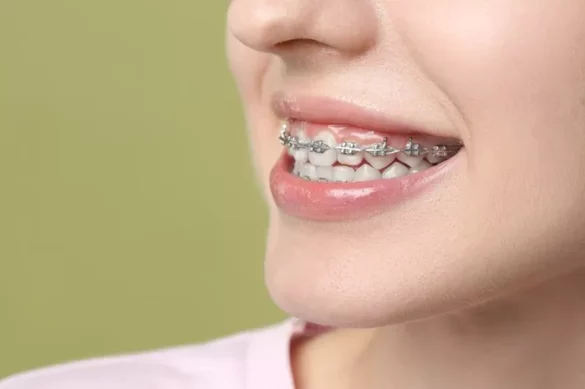
Many people considering orthodontic treatment wonder if braces can change the shape of their lips. While braces are primarily used to straighten teeth and correct bite problems, they also impact facial structures. Lips, being closely connected to the teeth and jaws, can show subtle changes during and after orthodontic treatment. Understanding how braces affect lip shape can help patients set realistic expectations and appreciate the overall benefits of orthodontics.
How Braces Work
Braces consist of brackets, wires, and sometimes elastics. They apply continuous pressure to teeth, gradually moving them into proper alignment. This process also affects the surrounding tissues, including gums, cheeks, and lips. The degree of change depends on the type of malocclusion, the severity of misalignment, and the orthodontic technique used.
The Role of Tooth Position in Lip Shape
Lips rely on the support of teeth for structure. When teeth are misaligned, lips may appear thin, protruded, or uneven. As braces move teeth into their correct positions, they provide a better foundation for the lips. For instance, correcting an overbite can reduce upper lip protrusion, while treating an underbite may improve lower lip positioning. These changes are generally subtle but can enhance overall facial harmony.
Jaw Alignment and Lip Appearance
Orthodontic treatment often addresses jaw alignment. When the jaws are realigned, it affects lip posture. Patients with an overjet or crossbite may notice that their lips no longer press forward unnaturally. In severe cases, orthodontic treatment combined with jaw surgery may result in more noticeable changes in lip fullness, symmetry, and overall facial profile.
Immediate Changes After Getting Braces
After braces are placed, patients may experience initial changes in lip comfort and appearance. Swelling and pressure from braces can make lips feel tight. Additionally, braces can slightly alter lip posture due to the presence of brackets and wires.
These changes are temporary and typically resolve as patients adapt to the appliances.
Lip Sensitivity and Irritation
Brackets and wires can cause irritation, leading to small sores or discomfort on the inner lips. This can make lips appear red or slightly swollen. Orthodontists often recommend orthodontic wax and proper oral hygiene to minimize discomfort. As the mouth adjusts, irritation decreases and the lips return to a natural appearance.
Subtle Visual Changes
Even in the first few weeks, lips may appear slightly fuller or tighter due to the repositioning of teeth. These early changes are usually minor and do not indicate permanent alteration. Over time, as teeth continue to move, the lips gradually adapt to the new dental structure.
Long-Term Lip Changes From Braces
Over the course of orthodontic treatment, lips can undergo more permanent changes. These changes are linked to improved tooth alignment, better bite function, and overall facial balance.
Upper Lip Position
For patients with protruding upper teeth, braces can move teeth backward. This allows the upper lip to settle closer to the teeth and may reduce protrusion. Patients often notice a more relaxed and natural upper lip position, improving smile aesthetics.
Lower Lip Position
Similarly, braces can influence the lower lip. Aligning lower teeth can support the lower lip better and reduce sagging or asymmetry. In some cases, the lower lip may appear slightly fuller after treatment, contributing to a balanced facial profile.
Lip Symmetry and Facial Harmony
Correcting dental misalignments enhances facial symmetry. Lips that previously appeared uneven may become more balanced. These changes are most evident in cases of significant malocclusion or jaw discrepancies. The overall effect is subtle but can significantly enhance facial aesthetics.
Factors Influencing Lip Changes
Not every patient experiences the same lip changes. Several factors influence the extent of change:
Severity of Malocclusion
Patients with severe overbites, underbites, or crossbites are more likely to see noticeable changes in lip position. Mild misalignments may produce only subtle adjustments.
Age of the Patient
Children and adolescents may experience more pronounced lip changes due to growth and flexibility of facial tissues.
Adults can still see improvement, but changes are usually less dramatic.
Orthodontic Treatment Plan
The type of braces and techniques used can influence lip changes. Traditional metal braces, ceramic braces, and clear aligners all move teeth differently. Treatments involving elastics or jaw surgery can produce more significant changes in lip positioning.
Braces and Lip Function
Lip function can also improve during orthodontic treatment. Properly aligned teeth and jaws allow lips to close naturally, reducing strain and enhancing oral function. Patients may notice:
Improved Lip Seal
Braces help correct misaligned teeth that prevent lips from closing properly. With proper alignment, lips meet comfortably without effort, reducing mouth breathing and associated issues.
Enhanced Speech and Expression
Teeth play a key role in articulation. By improving tooth alignment, braces can subtly affect speech patterns and expressions. Lips may move more naturally when forming words, enhancing clarity and comfort.
Post-Treatment Considerations
After braces are removed, lips continue to adapt to the new dental structure. Retainers are essential to maintain teeth in their corrected positions, ensuring that lip support remains consistent.
Retention and Lip Stability
Retainers prevent teeth from shifting back, which helps maintain the new lip position. Patients should follow orthodontist instructions carefully to preserve both dental alignment and facial aesthetics.
Lip Exercises and Care
Some patients may benefit from lip exercises or facial therapy to strengthen lip muscles. Regular moisturizing and proper oral hygiene also help maintain healthy, supple lips after braces.
Limitations and Expectations
It is important to understand that braces primarily change tooth alignment, not the lips themselves. Any lip changes are secondary effects of improved dental and jaw structure. Patients with unrealistic expectations about dramatic lip transformation may be disappointed. Consultation with an orthodontist can clarify what changes are possible based on individual facial structure.
Realistic Outcomes
Braces can enhance facial aesthetics by supporting the lips. Most changes are subtle and gradual. Patients may notice improved symmetry, lip positioning, and overall smile aesthetics, but braces do not significantly alter natural lip shape.
When Surgical Intervention Is Needed
In cases of severe jaw discrepancies, braces alone may not create the desired lip change. Orthognathic surgery may be recommended to reposition the jaws, which can dramatically improve lip contour and balance.
Conclusion
In summary, braces can indirectly change the shape and appearance of your lips by improving tooth alignment and jaw positioning. Changes are generally subtle, enhancing lip symmetry, posture, and overall facial aesthetics. Patients should have realistic expectations and consult with their orthodontist about potential outcomes. Proper care, retention, and follow-up ensure long-lasting results and a healthier, more harmonious smile.