


Yellow teeth are a common dental concern for many individuals. For people living with diabetes, the issue of tooth discoloration may be even more pronounced. Understanding whether diabetes causes yellow teeth and uncovering the connection between diabetes and oral health is vital for anyone seeking to maintain a bright, healthy smile.
Diabetes and Oral Health: An Overview
Diabetes is a chronic condition that affects how the body regulates blood sugar known as glucose. High blood glucose levels over time impact many areas of the body, including the mouth. People with diabetes have a higher risk of dental problems such as gum disease, cavities, dry mouth, and, notably, changes in tooth color.
Why Can Diabetes Lead to Yellow Teeth?
The Role of Blood Sugar and Saliva
Diabetes can affect oral health by altering the composition and flow of saliva. Saliva helps prevent tooth decay and cleans food debris and bacteria from the mouth. In people with diabetes, reduced saliva flow and higher levels of glucose in the saliva create an environment where bacteria thrive. This leads to increased plaque formation.
Plaque is a sticky film of bacteria that builds up on teeth. If not removed, it can harden into tartar. Both plaque and tartar can make teeth appear yellow. The raised risk of plaque buildup among diabetics is a clear reason why tooth discoloration may occur more frequently.
Increased Plaque and Tartar Buildup
High blood sugar not only increases the sugar content in saliva but also encourages the growth of bacteria. Bacteria use the excess glucose to multiply, creating more plaque on the teeth. This plaque quickly turns into tartar, which appears as a yellow or brown deposit, particularly around the gum line. For diabetics, managing blood sugar is directly related to controlling plaque and, by extension, the yellowing of teeth.
Dietary Factors and Tooth Discoloration
Another reason why diabetes may cause yellow teeth is related to diet. Individuals with diabetes must monitor their sugar intake and may substitute certain foods and drinks that still contain pigments which stain the teeth. Frequent consumption of tea, coffee, or artificially colored beverages can worsen tooth discoloration. Meanwhile, poor dietary choices can compound the staining effects as diabetics sometimes struggle with what to eat to manage their condition.
Common Dental Problems Associated with Diabetes
Gum Disease
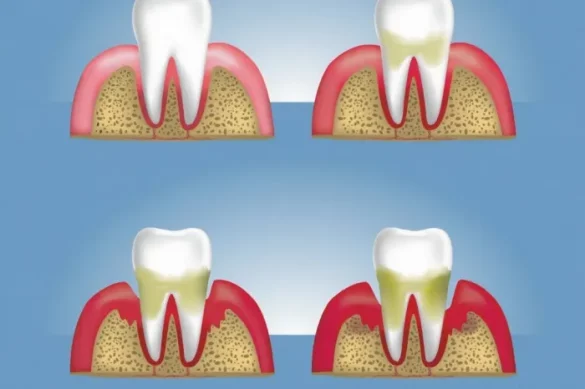
Gum disease, known medically as periodontal disease, is particularly prevalent among people with diabetes. Gum disease advances through stages, starting with gingivitis and progressing to periodontitis. As gums become inflamed and infected, they may recede or bleed, further exposing the tooth surface to bacteria and stains, thereby exacerbating yellowing.
Dry Mouth (Xerostomia)
Diabetes and some diabetes medications can reduce the production of saliva, leading to dry mouth. Saliva helps wash away food and bacteria that can discolor teeth. When saliva is scarce, the risk of tooth decay and yellowing rises.
Tooth Decay and Cavities
The imbalance in oral bacteria and the buildup of plaque not only stain teeth but also promote tooth decay. Damaged enamel does not reflect light as well, making teeth look dull and yellow. Cavities can trap food particles, which further contribute to staining.
Signs That Diabetes Is Affecting Your Dental Health
People with diabetes should be vigilant in monitoring their oral health for warning signs. Key symptoms include:
- Red, swollen, or bleeding gums
- Persistent dry mouth
- Bad breath that does not go away
- Loose teeth or receding gums
- Noticeable yellowing or browning of teeth
If any of these symptoms appear, a dental professional should be consulted as soon as possible.
Steps to Prevent Yellow Teeth in Diabetics
Effective Oral Hygiene Practices
Prevention is key to managing yellow teeth. Diabetics should brush with fluoride toothpaste at least twice a day and floss daily to remove plaque buildup. Use of an antibacterial mouthwash can further help control bacteria.
Routine Dental Check-Ups
Regular dental visits are critical for early detection of dental problems and effective professional cleaning. Dentists can remove tartar that regular brushing cannot, brightening teeth and maintaining oral health.
Blood Sugar Management
Keeping blood glucose levels within the recommended range reduces the amount of glucose in saliva, limiting the food source for harmful oral bacteria. Stable blood sugar helps minimize the risk of dental problems and keeps the smile whiter.
Mindful Dietary Choices
Avoid foods and drinks known to stain teeth, such as coffee, tea, and dark sodas. Instead, choose fresh fruits and vegetables that aid in cleaning the teeth naturally. Always consult a dentist or dietitian about dietary plans to prevent both diabetes complications and tooth discoloration.
Smoking and Tobacco Use
Smoking and tobacco products increase the risk of oral health issues and stain teeth. Diabetics should avoid tobacco to help maintain healthier teeth and gums.
Teeth Whitening Options for Diabetics
People with diabetes do not need to resign themselves to having yellow teeth. Several teeth whitening options are available, but it is vital to select methods that are safe for their health condition.
Professional Advice First
Before choosing any whitening product or treatment, diabetics should consult a cosmetic dentist. Professional assessment helps ensure the method chosen does not irritate the gums or other oral tissues, which may already be compromised.
At-Home Whitening Products
Gentle whitening strips or gels designed for sensitive teeth can offer improvements without damaging the enamel. Always follow the product instructions and consult your dentist if you have any questions.
In-Office Treatments
Professional whitening treatments performed in a dental office are usually more effective and can provide safer results for those with diabetes. Dentists can tailor the treatments to your needs, minimizing risks and ensuring optimal results.
Prescription Whitening Options
Prescription-strength whitening treatments may be a good choice for people with diabetes. These are customized and closely monitored by dental professionals to prevent unwanted side effects.
Importance of Regular Dental Care
Routine checkups are the backbone of oral health management for diabetics. Dentists help monitor changes in tooth color, provide thorough cleaning, and advise on products and techniques for stain removal and prevention. Early intervention is crucial to avoid complications related to diabetes and oral health.
Conclusion
Diabetes does not directly turn teeth yellow, but it creates conditions that encourage tooth discoloration. Elevated blood sugar, changes in saliva, higher plaque and tartar buildup, gum disease, and poor dietary habits all play a role in why yellow teeth can be a common problem for people with diabetes. Good oral hygiene, regular dental check-ups, disciplined blood sugar management, and careful dietary choices can help keep teeth brighter and healthier. Professional dental advice is essential before starting any whitening treatments to ensure safety and efficacy.
Frequently Asked Questions
Can controlling diabetes improve the color of my teeth?
Proper diabetes management reduces high blood sugar and oral bacteria, preventing excessive plaque buildup and improving tooth color over time.
Is tooth yellowing a sign of severe diabetes?
Yellow teeth may indicate poor oral health or poorly managed diabetes, but they are not a direct symptom. Always consult your dentist regarding changes in tooth color.
Are whitening products safe for diabetics?
Many whitening products are safe for people with diabetes if selected carefully. Consult a dentist before starting any whitening regimen.
How often should diabetics visit the dentist?
It is recommended for diabetics to have dental check-ups every six months or more often if advised by their dentist.