


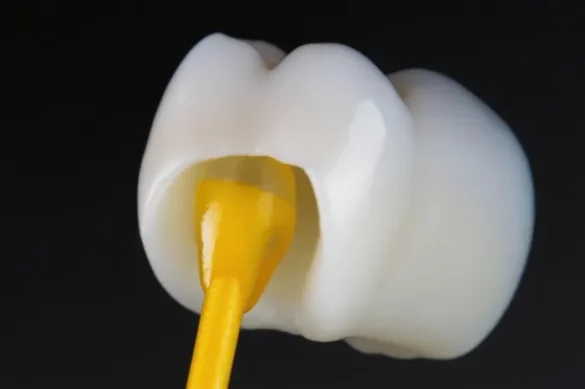
When patients are told they need dental work like a crown or a filling, one of the most common concerns is the level of pain they might experience during each procedure. The fear of dental pain can make anyone anxious, but understanding what to expect brings much needed peace of mind. Do crowns actually hurt more than fillings? Read on to find out what the procedures involve, what discomfort you may feel, and how to ensure the smoothest possible recovery.
What Is a Dental Filling?
A dental filling is a procedure dentists use to treat cavities or minor tooth damage. If you have a small area of decay, your dentist will clean out the decayed part of the tooth and fill the space with a restorative material. Today, these materials are tooth-colored composites, porcelain, amalgam, or sometimes gold. Dental fillings are fast and do not require much removal of the healthy tooth structure.
The Steps of a Dental Filling
- The dentist first numbs the affected area with local anesthesia.
- Decay is carefully removed using dental tools.
- The tooth is cleaned and prepped for the filling material.
- The filling is placed and shaped to restore the tooth’s natural look and function.
- For certain materials, a curing light may be used to harden the filling.
On average, a dental filling is completed in one short visit, typically lasting under an hour. Recovery is immediate or very quick, and most patients return to normal activities the same day.
What Is a Dental Crown?
A dental crown, often called a “cap,” is used when a tooth is too damaged for a filling alone. This could be because of a large cavity, a crack, a broken tooth, or following a root canal. The crown covers and protects the entire visible part of the tooth.
The Steps of Getting a Crown
- The dentist numbs the area using local anesthesia, so you do not feel pain during the procedure.
- A portion of the tooth structure is gently reshaped to make space for the crown.
- Impressions of the tooth are taken to create a custom crown.
- A temporary crown is placed while the permanent one is being made.
- At your follow-up visit, the dentist removes the temporary crown and cements the finished one in place, making necessary bite adjustments.
A crown procedure typically requires two dentist visits unless same-day technology is available.
Does Getting a Crown Hurt More Than a Filling?
The short answer is: not really. Modern dental techniques ensure that both procedures are comfortable and nearly pain-free while being performed.
Experience During the Procedures
Both filling and crown procedures are done under local anesthesia. This means you should not feel pain; you may only notice pressure, movement, or vibration from the dental tools. If you are especially anxious, dentists can offer sedation options to help you relax.
While the crown procedure is more complex, requiring extra tooth reshaping and impressions, the actual sensation experienced by the patient is similar to getting a filling when anesthesia is effective. In rare cases, anxiety more than physical pain can cause discomfort. Communicate your feelings to your dentist so they can help manage any worries.
After the Procedures: What Should You Expect?
Dental fillings usually produce mild sensitivity for a day or two. You might notice that your tooth is sensitive to hot, cold, or pressure, but this usually resolves on its own.
Crowns, because they involve more tooth preparation, may result in slightly prolonged sensitivity or a feeling that the treated tooth is different for a few days to a week. Any soreness often comes from the injection site or the area around the gums, not deep pain from the tooth itself.
Ibuprofen or acetaminophen can help with mild soreness, and patients are usually able to resume normal activities quickly. Persistent or severe pain should always be reported to your dental office, as it could indicate that bite adjustment is needed or, rarely, a complication.
Why Does a Crown Sometimes Feel Like “More Work”?
A crown requires the dentist to reshape the tooth structure and fit a temporary crown, which some patients perceive as more involved compared to a quick filling. However, “more involved” does not mean “more painful.” The main difference is in the time and steps required, not the intensity of pain.
Most of the discomfort associated with crowns is mild and related to temporary sensitivity or gum irritation, both of which can be managed with simple care and typically resolve quickly. For fillings, the level of discomfort is even lower for most people.
How to Minimize Any Discomfort
- Do not eat or chew while numb to avoid accidental injury.
- Choose soft foods if your teeth are sensitive for the first one or two days.
- Brush and floss gently around the area to keep it clean and support healing.
- Use toothpaste for sensitive teeth if you notice lingering sensitivity.
- Take over-the-counter pain relievers as directed if you feel mild pain.
- Notify your dentist if discomfort persists or worsens.
Long-Term Comfort: Crowns vs. Fillings
Both crowns and fillings are designed to protect and restore teeth so you can chew, smile, and speak comfortably. Crowns generally provide stronger, longer-term support for teeth that are significantly damaged or weakened. Many patients find that biting and chewing feel better once a crown is placed because it restores the full anatomy and strength of the tooth.
A filling is best for small to moderate repairs. If the tooth becomes cracked, weak, or sustains new damage, the dentist may recommend upgrading to a crown for more durable protection.
Which Should You Choose?
Your dentist will recommend the right treatment based on the amount of tooth damage, your overall oral health, and your goals for aesthetics and durability. For minimal decay, a filling is advised. For more extensive damage, a crown is preferable. In all cases, rest assured that modern dentistry prioritizes your comfort and offers effective ways to keep pain to a minimum.
Conclusion
Although a dental crown procedure is more complex than a filling, both are performed comfortably with local anesthesia. Most people experience only mild, short-lasting sensitivity afterward. The perceived difference in pain between the two comes from the process and steps, but not from actual physical discomfort during the procedures. The key is to discuss any anxieties with your dentist, follow their aftercare instructions, and seek care early to avoid additional dental problems. Remember, neither crowns nor fillings need to be feared—restoration leads to less pain and better smiles in the long run.
FAQs
1. Do dental crowns hurt more than fillings during the procedure?
No. Both are nearly painless thanks to local anesthesia. Crowns may involve more steps, but the numbing ensures minimal discomfort.
2. Why do crowns sometimes cause temporary sensitivity?
The tooth must be shaped more for a crown, which can make it sensitive to hot, cold, or pressure for a few days. This fades with time.
3. Can I eat normally after a crown or filling?
Wait for the anesthesia to wear off and start with soft foods if sensitive. Resume normal eating once comfortable.
4. When should I call my dentist about pain after treatment?
Any severe, persistent, or worsening discomfort, trouble chewing, or sensitivity that lasts longer than a week is a reason to call your dentist.
5. Is a filling ever enough instead of a crown?
If damage is minor and the tooth is strong, a filling is usually enough. Bigger, cracked, or weakened teeth need the extra strength of a crown.