


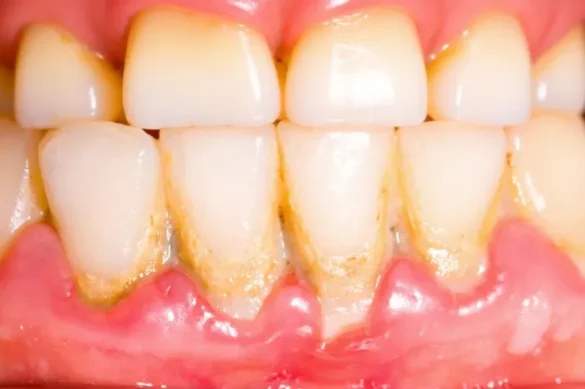
Gum disease and yellow teeth are two common dental concerns that often appear together. Many people worry that gum disease is the cause of yellow teeth, but the connection is more complex than it may seem. Understanding how gum disease develops and how it may relate to yellow teeth can help you take better care of your oral health.
What Is Gum Disease?
Gum disease refers to infections affecting the tissues that support the teeth. The mildest form is gingivitis, and the more severe form is called periodontitis. Gum disease is mainly caused by a build-up of plaque—a sticky film containing bacteria—on the surface of the teeth and near the gum line. If plaque is not removed by brushing and flossing, it eventually becomes tartar, a hardened deposit that is more difficult to remove without professional dental cleaning.
Typical Signs of Gum Disease
Common symptoms include swollen gums, frequent bleeding during brushing, persistent bad breath, gum recession, and pain or change in how your teeth fit together when biting. In advanced cases, gums may recede significantly, exposing more of the tooth and even causing teeth to loosen or fall out.
What Causes Yellow Teeth?
Teeth may become yellow for a variety of reasons, including aging, thinning or loss of dental enamel, tartar formation, and exposure to certain foods, drinks, or tobacco. Some causes are not directly related to oral hygiene habits but can be influenced by diet, genetics, or underlying health conditions.
Dental Plaque and Tartar
Plaque is a soft, colorless substance, but when it hardens into tartar, it can appear yellow or brown. Tartar often collects along the gum line, and its presence is a sign of poor oral hygiene. Tartar can contribute to gum disease because it makes it more difficult to clean teeth, creating a favorable environment for bacteria to grow. Tartar not only threatens gum health but also affects the cosmetic appearance of your teeth by causing yellow spots and stains.
Aging and Enamel Wear
As we age, the enamel—the outer, white layer of the teeth—wears away, slowly revealing the underlying dentin, which has a naturally yellowish color. This process can’t be entirely prevented, but good oral hygiene can slow it down.
Diet and Lifestyle Factors
Certain foods and drinks, such as coffee, tea, wine, and berries, contain pigmentations that can stain the outside of the teeth. Smoking or chewing tobacco exposes your teeth to pigments and chemicals like tar and nicotine, which also cause yellowing.
The Link Between Gum Disease and Yellow Teeth
So does gum disease cause yellow teeth? Not directly, but the two are often related. Gum disease itself does not turn teeth yellow; however, the underlying factors that contribute to gum disease can also make teeth appear yellow.
Plaque and Tartar: The Common Connection
Both gum disease and yellow teeth are connected through the accumulation of plaque and tartar. Plaque first forms as a thin, sticky layer on the teeth. If it is not properly removed, it hardens into tartar, which appears yellow or brown. Tartar can make it easier for bacteria to attack the gums, leading to gum disease. It also creates visible stains on the teeth, making them look yellow.
Oral Hygiene Practices
Sound oral hygiene is essential for preventing both gum disease and yellow teeth. Daily brushing and flossing remove plaque before it hardens into tartar. Regular visits to the dentist are necessary for professional cleanings, which remove tartar that cannot be brushed away at home.
How Gum Disease Can Influence Tooth Color
Gum disease encourages the build-up of tartar and bacterial by-products, which can deposit on the tooth surfaces, especially near the gum line. These substances may appear yellow or brown, giving the teeth a discolored look. Sometimes, advanced gum disease causes the gums to recede, making teeth appear longer and exposing more of their surface, which may contain stains that were previously hidden below the gum line.
Pus and Gum Infections
In severe cases of gum disease, pus may form between the teeth and gums. While this pus is often white or yellowish, it does not typically stain the teeth. Instead, the yellowing is more likely caused by tartar or exposed dentin due to gum recession.
Preventing Yellow Teeth and Gum Disease
Both conditions are preventable with a good oral care routine. The key steps include:
- Brushing your teeth twice a day with fluoride toothpaste
- Flossing daily to remove plaque between teeth
- Limiting foods and drinks that can stain teeth
- Avoiding smoking and tobacco use
- Scheduling regular dental check-ups and cleanings
Over time, professional cleanings remove tartar and surface stains, helping improve both the health of your gums and the appearance of your teeth.
Professional Treatments for Gum Disease and Teeth Whitening
If you already have gum disease or yellow teeth, dental professionals can provide effective treatments. For gum disease, treatments range from deep cleaning and scaling (removing tartar from above and below the gums) to surgical interventions for advanced cases. For tooth discoloration, dentists offer professional whitening procedures that safely and effectively lighten the shade of your teeth.
It is crucial to address gum disease before proceeding with whitening treatments. Whitening products can irritate or worsen gum problems. Dentists recommend treating any gum infection first, then addressing cosmetic concerns.
Other Factors Affecting Tooth Color
Aside from gum disease and tartar, antibiotics, excessive fluoride, aging, and genetics can also affect tooth color. Some conditions may require special attention and personalized care from your dental team.
Conclusion
Gum disease does not directly cause yellow teeth, but both are commonly linked by poor oral hygiene, plaque, and tartar build-up. Tartar is the main factor that both triggers gum disease and stains teeth, leading to yellow discoloration. Maintaining good oral hygiene habits, such as brushing, flossing, and seeing your dentist regularly, is the best way to keep both your teeth healthy and white. If you notice yellow teeth or signs of gum disease, consult your dental professional for guidance and appropriate treatment.
FAQs
Can treating gum disease make my teeth whiter?
Treating gum disease, especially by removing tartar, can improve the appearance of teeth, but whitening may require additional cosmetic procedures.
Does tartar always mean I have gum disease?
Not necessarily. Tartar buildup increases your risk for gum disease, but its presence alone does not confirm an active infection.
What should I do if my teeth are yellow and my gums bleed?
Schedule a dental appointment. You may have gum disease and tartar buildup, both of which need professional attention.
Can teeth whitening products treat gum disease?
No. Teeth whitening products only address tooth color. Gum disease requires specific dental treatments and improved oral hygiene.
How can I prevent both gum disease and yellow teeth?
Practice daily brushing and flossing, avoid tobacco, limit stain-causing foods and drinks, and visit your dentist regularly for cleaning and check-ups.