


Many people who have undergone wisdom teeth removal wonder what comes next in their recovery process, especially when stitches are involved. One of the most common concerns is the removal of wisdom teeth stitches and whether it hurts. With so much curiosity and even some anxiety among patients, it is important to explore the truth about wisdom teeth stitch removal, how the process works, and what you can do to minimize discomfort.
Why Do Dentists Use Stitches After Wisdom Tooth Removal?
Stitches, or surgical sutures, are essential after wisdom tooth extraction. When a wisdom tooth is removed, it often involves making an incision in the gum to access the tooth. Once the tooth is extracted, dentists or oral surgeons use stitches to close the surgical wound. These stitches hold the gum tissue together, reduce bleeding, promote quicker formation of a blood clot in the empty socket, and protect the area from infection. Without proper closure, the wound might take longer to heal and would be more exposed to bacteria, air, and food particles.
Types of Stitches Used in Wisdom Teeth Surgery
There are primarily two types of stitches used after wisdom tooth extraction: absorbable (dissolving) stitches and non-absorbable stitches.
- Absorbable stitches dissolve on their own over days or weeks, depending on the material used. These are often selected when the wound is deep or difficult to access for later removal.
- Non-absorbable stitches need to be removed by a dentist or oral surgeon in a follow-up appointment, usually about a week after surgery.
Both types are made of materials considered safe and sterile. Modern improvements mean that dissolvable stitches are becoming the more popular choice for many dental surgeons.
How Does the Stitch Removal Process Work?
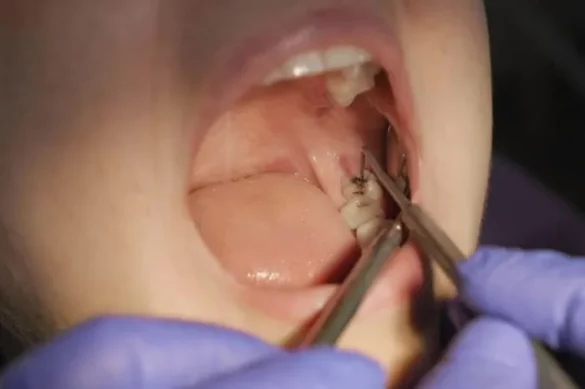
If you have non-absorbable stitches, your dentist will schedule a follow-up visit a week or so after your wisdom tooth surgery. During this appointment, the healing of your extraction site will be checked. If the area is healing as expected, the dentist will use small scissors or forceps to gently cut and remove the stitches.
The procedure typically takes only a few minutes. The dentist ensures your comfort throughout, often using local anesthesia or numbing gel if necessary, although most patients find the sensation mild and manageable without additional medication.
Does Removing Wisdom Teeth Stitches Hurt?
Most patients report that the sensation of stitch removal is minimal and far less uncomfortable than either the extraction itself or the initial injection of anesthesia. While you might feel a slight tugging or mild pressure when the stitch is being pulled out, it rarely causes sharp pain. If the stitches are stuck or if the tissue has healed tightly around them, there can be a brief pinch, but this discomfort is short-lived.
Factors influencing discomfort include:
- Your personal pain sensitivity
- The degree of healing around the stitches
- Whether there is inflammation or infection
- How well you have cared for the area post-surgery
What Can You Expect During and After Stitch Removal?
The removal process is usually quick—within a few minutes—and does not require any significant preparation from you. Before the procedure, your dentist may ask you some questions about your healing and symptoms. After removal, it is normal to feel a little tenderness at the site for a day or two, but most people quickly return to normal activities.
If your gums are still swollen or visibly inflamed, your dentist may decide to delay the stitch removal or use topical anesthetics to ensure comfort. After stitches are removed, you may notice a slight sensation but not significant pain.
Steps to Minimize Discomfort During Stitch Removal
- Follow all aftercare instructions post-surgery to ensure your wound heals well and remains free of infection.
- Keep your follow-up appointment as scheduled. Delaying removal can make stitches harder to remove and increase discomfort.
- Inform your dentist if you are nervous; they may use additional numbing agents or explain the process step by step.
- Maintain good oral hygiene and monitor your healing, as infection or irritation around stitches can make removal more uncomfortable.
What About Dissolvable Stitches?
If you received absorbable stitches, you may not need a specific removal appointment. These stitches break down and disappear on their own, usually within one to two weeks. You might notice small pieces of thread as they dissolve, or you could feel a loose stitch with your tongue before it falls out. Mild discomfort may occur as they dissolve, but pain is not expected. If you experience persistent soreness or swelling, let your dentist know. Occasionally, a dissolvable stitch may need a little help to come out, but this is rare.
Signs That Stitch Removal Might Be Uncomfortable
While most removals are painless, notify your dentist if you notice:
- Redness, swelling, or pus around the stitches
- Persistent or intense pain
- Bleeding that doesn’t stop
- Stitches that feel deeply embedded or stuck
These signs could mean there is an infection, and your dentist will take extra care during removal or may treat the infection before proceeding.
Is Stitch Removal Worse Than Tooth Extraction?
For most people, stitch removal is much less frightening and painful than the extraction itself. The initial extraction usually involves a longer procedure and more extensive anesthesia, while stitch removal is brief and typically finished in a matter of minutes without much sensation.
Patients often describe it as a little uncomfortable but not painful, more akin to a tug or a pinch. Your dentist is trained to ensure this final step of your wisdom teeth recovery is as easy and stress-free as possible.
How to Prepare for Your Stitch Removal Appointment
- Stay calm and remember that most patients find the process quick and easy
- Eat a light meal beforehand to avoid feeling weak
- Follow post-operative advice such as avoiding alcohol and smoking, which can hinder healing
- Ask your dentist any questions before the procedure
Aftercare Following Stitch Removal
Once stitches are out, continue to maintain proper oral hygiene. Be gentle around the extraction area, avoid vigorous rinsing for the rest of the day, and continue following your dentist’s guidance. Soft foods remain a good choice for a day or two after stitch removal, especially if the area feels tender. Watch for unusual symptoms such as swelling, pain, or bleeding, and contact your dentist promptly if any problems arise.
Conclusion
Removing wisdom teeth stitches is usually a straightforward, quick, and relatively painless procedure. It is far less distressing than the extraction itself, and most patients return to normal routines on the same day. By following your dentist’s instructions, attending follow-up appointments, and maintaining good oral care, you can ensure a smooth and comfortable recovery from wisdom tooth surgery.
FAQs
Does removing wisdom teeth stitches cause pain?
No, most people feel only mild discomfort or a slight tug. Severe pain is rare.
How long does the removal process take?
Stitch removal usually takes just a few minutes at your dentist’s office.
Will my gums bleed when stitches are removed?
Minor spotting can occur, but significant bleeding is uncommon. Your dentist will ensure bleeding is minimal before you leave.
What should I do if a stitch comes out early?
Contact your dentist for advice, especially if you notice bleeding, pain, or signs of infection.
Can I eat normally after stitch removal?
Stick to soft foods for another day or two if the area feels tender. Otherwise, you may gradually return to regular eating habits.