


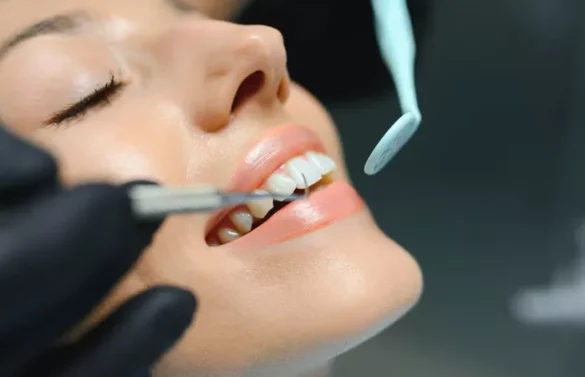
Cosmetic dentistry is commonly thought of as purely aesthetic. Many people associate it with teeth whitening, veneers, or smile makeovers. However, cosmetic dentistry goes beyond appearance. It can play a significant role in improving oral health. By correcting alignment, restoring damaged teeth, and replacing missing teeth, cosmetic dentistry enhances the function of the mouth. This article explores how cosmetic dentistry benefit oral health in multiple ways.
Understanding the Link Between Appearance and Oral Health
Healthy teeth are more than just visually appealing. Misaligned, damaged, or decayed teeth can create functional problems. For example, crooked teeth can trap food, increasing the risk of cavities and gum disease. Cosmetic procedures that improve appearance often simultaneously improve dental hygiene. Treatments such as veneers, bonding, or orthodontics are designed to enhance the smile, but they also make cleaning easier and prevent further damage.
Correcting Misaligned Teeth
Role of Orthodontics in Oral Health
Orthodontic treatments, including braces and clear aligners, are often considered cosmetic. However, they serve an essential health purpose. Straight teeth are easier to brush and floss. Misaligned teeth create areas where plaque and bacteria accumulate. This accumulation can lead to cavities, gingivitis, and periodontal disease. Correcting misalignment reduces these risks and improves chewing efficiency.
Impact on Jaw Health
Misaligned teeth can also affect the jaw. Overbite, underbite, or crossbite issues put extra stress on the temporomandibular joint (TMJ). This can lead to jaw pain, headaches, and even wear on the teeth. Cosmetic dentistry treatments that realign teeth help distribute bite forces evenly. This not only protects the teeth but also maintains long-term jaw health.
Restoring Damaged or Worn Teeth
Veneers and Bonding
Teeth can become chipped, cracked, or worn down over time. Cosmetic procedures like veneers and dental bonding repair these issues. Restoring the natural shape of teeth prevents further deterioration. Cracks and chips can expose the inner layers of teeth to bacteria. By covering them, veneers and bonding protect teeth from decay and sensitivity.
Crowns and Caps
Crowns and caps are often considered cosmetic, but they also strengthen weak teeth. Teeth that have large fillings, fractures, or decay are vulnerable to breaking. Crowns restore function and protect the underlying tooth. They allow patients to chew effectively without risking further damage. This combination of strength and appearance improves both oral health and confidence.
Replacing Missing Teeth
Importance of Tooth Replacement
Missing teeth are not just a cosmetic concern. They can lead to bone loss, shifting of surrounding teeth, and bite problems. Cosmetic dentistry offers several solutions, including dental implants, bridges, and dentures. Implants are particularly beneficial. They mimic natural teeth roots, stimulating the jawbone and preventing bone loss. Bridges fill gaps, preventing adjacent teeth from drifting. These interventions maintain oral structure and function.
Preventing Secondary Oral Issues
When teeth are missing, remaining teeth experience extra pressure. This can lead to fractures, wear, or gum issues. Replacing missing teeth with cosmetic procedures ensures balanced bite forces. It also improves speech and digestion, which can be affected by tooth gaps. Overall, maintaining a full set of teeth supports long-term oral health.
Whitening and Its Indirect Health Benefits
Professional Teeth Whitening
Teeth whitening is primarily cosmetic. However, it can encourage better oral hygiene. Patients are more likely to maintain clean teeth when they have invested in their appearance. Whitening treatments remove surface stains, which may also harbor bacteria. While whitening does not directly prevent cavities, it can motivate patients to brush and floss consistently, supporting overall dental health.
Motivation for Preventive Care
Cosmetic procedures often create a psychological incentive to maintain oral health. A brighter, healthier-looking smile encourages regular check-ups. This can lead to early detection of problems such as cavities, gum disease, or oral lesions. In this way, cosmetic dentistry indirectly contributes to preventive care and long-term oral health.
Gum Contouring and Periodontal Health
Correcting Gum Imbalances
Gum contouring is often done for aesthetic reasons. Uneven gum lines or excessive gum tissue can affect a smile. However, the procedure also benefits oral health. By reshaping gums, dentists reduce areas where plaque and bacteria accumulate. This can decrease the risk of periodontal disease. Healthy gums are essential for maintaining teeth and overall oral function.
Reducing Gum Disease Risk
Gum disease is a common cause of tooth loss. Cosmetic procedures that improve gum shape make cleaning more effective. Patients can brush and floss without obstruction. Gum contouring also helps correct gum recession, exposing less of the tooth root to harmful bacteria. This combination of cosmetic and health benefits strengthens oral hygiene routines.
Integration of Cosmetic and Functional Dentistry
Holistic Approach to Dental Care
Modern dentistry often combines cosmetic and functional treatments. Procedures are designed to enhance appearance and support oral health. For example, restoring a worn tooth with a crown improves bite function and prevents further damage. Orthodontic treatment straightens teeth while reducing cavities. Even whitening can motivate better hygiene. This holistic approach ensures that cosmetic dentistry is more than surface-level improvement.
Improving Self-Confidence and Health Behavior
Patients who undergo cosmetic dentistry often experience higher self-esteem. This can lead to improved oral health behaviors. Confident patients are more likely to brush, floss, and attend dental visits. The positive feedback loop between appearance and health reinforces consistent care. Cosmetic dentistry, therefore, indirectly promotes lifelong oral health habits.
Choosing the Right Cosmetic Treatments
Consultation with a Dental Professional
Before undergoing any cosmetic procedure, it is essential to consult with a qualified dentist. A professional assessment ensures that treatments are suitable for both appearance and health. Dentists evaluate oral structure, bite, gum health, and overall dental hygiene. This helps avoid procedures that may compromise function while improving aesthetics.
Customized Treatment Plans
Each patient’s oral health needs are unique. Cosmetic dentistry should be tailored to address individual concerns. A customized plan may include multiple treatments, such as alignment correction, veneers, or implants. By focusing on both appearance and oral health, patients achieve long-lasting results that protect teeth and gums while enhancing their smile.
Preventive Benefits of Cosmetic Dentistry
Reducing Wear and Tear
Cosmetic procedures can prevent excessive wear on teeth. For example, bonding or crowns restore worn enamel and protect teeth from further damage. This helps maintain proper bite function and reduces sensitivity. Preventing deterioration is a key aspect of preserving oral health.
Enhancing Daily Hygiene
Procedures that improve tooth alignment, surface smoothness, or gum shape make daily cleaning easier. Brushing and flossing become more effective, and plaque accumulation decreases. Better hygiene prevents cavities, gum disease, and other dental issues. Cosmetic dentistry, therefore, supports long-term preventive care.
Conclusion
Cosmetic dentistry is not just about beauty. Its benefits extend to oral health, function, and hygiene. By correcting misalignment, restoring damaged teeth, replacing missing teeth, and improving gums, cosmetic procedures enhance both the appearance and health of the mouth. Whitening and aesthetic improvements also motivate patients to maintain preventive care. When performed under professional guidance, cosmetic dentistry can be a powerful tool for promoting lifelong oral health. Patients who invest in cosmetic treatments often experience improved function, confidence, and motivation for consistent dental care.