


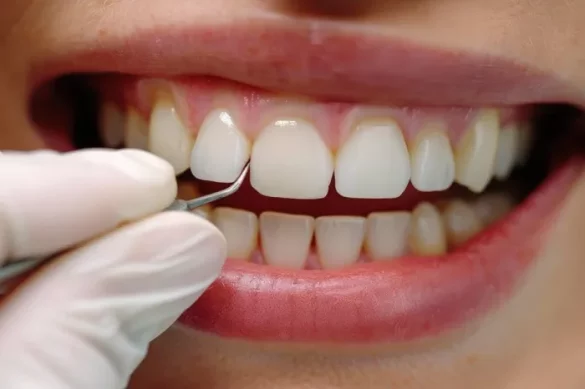
Cavities are among the most common dental issues affecting people of all ages. While most people associate cavities with the molars at the back of the mouth, decay can also occur in the front teeth, impacting both appearance and dental health. Treating cavities in the front teeth requires special techniques and materials to ensure the restoration is both effective and aesthetically pleasing. This article explores in detail how dentists fill cavities in front teeth, the options available, and what patients can expect throughout the process.
Understanding Cavities in Front Teeth
Front teeth play an important role not only in chewing but also in speech and personal appearance. Cavities in these teeth are usually caused by plaque buildup, sugary foods, and inconsistent oral hygiene. Front teeth are more visible, so any restoration needs to be subtle and closely match the natural color and shape of the tooth.
Diagnosing Cavities in Front Teeth
The first step in addressing a cavity in a front tooth is a thorough examination by a dentist. The diagnosis typically involves:
Clinical Examination
A dentist will visually inspect your teeth for any signs of discoloration, holes, or roughness. Cavities in front teeth are sometimes easier to spot due to their visibility.
X-Rays
X-rays are often used to detect the extent of decay, especially if it is between teeth or beneath the surface. This allows the dentist to see any hidden damage and determines how deep the cavity reaches.
Special Instruments
Dentists may use special probes to check for soft spots and further investigate the area affected. This helps pinpoint the location and severity of the cavity.
Planning the Treatment
Once the dentist has identified the cavity and its extent, they will recommend the best course of action. For most front teeth cavities, a filling is the preferred solution. In more severe cases, additional treatments such as crowns or root canals may be necessary, but these are less common for front teeth unless the decay is advanced.
Materials Used for Filling Front Teeth Cavities
Choosing the right filling material is important for front teeth because it impacts the final appearance. Several options are available:
Composite Resin
Composite resin is the most commonly used material for filling front teeth cavities. It is tooth-colored, can be closely matched to your natural teeth, and bonds well to the enamel. Composite fillings are ideal for small to moderate cavities in visible areas.
Glass Ionomer
Glass ionomer fillings consist of polymers and glass, offering a natural appearance and good durability. They release fluoride, which can help further protect the tooth from decay.
Porcelain
Porcelain fillings are more expensive and typically used for large cavities or when aesthetics are extremely important. Porcelain is color-matched and resists staining, making it a high-end option for front teeth.
Silver Amalgam and Gold
While metal fillings—like silver amalgam and gold—are possible, they are rarely used for front teeth due to their noticeable color. However, some individuals may choose these materials for personal or cultural reasons.
Step-by-Step Procedure: Filling a Cavity in a Front Tooth
Dentists take special care while filling cavities in the front teeth to ensure the restoration blends seamlessly. Here’s what you can expect during the appointment:
1. Local Anesthesia
To ensure comfort, the dentist often applies a local anesthetic to numb the affected area. You may feel a slight pinch as the anesthesia takes effect.
2. Removing the Decay
Using small drills or other dental instruments, the dentist carefully removes the decayed portion of the tooth. With front teeth, precision is key since the enamel is thinner and aesthetics matter more.
3. Cleaning the Cavity
After decay removal, the cavity is cleaned to eliminate any bacteria or debris. This prevents further infection and ensures the filling bonds well.
4. Selecting and Placing the Filling Material
The dentist chooses a filling material that matches your natural tooth color. Composite resin is applied in layers, each cured with a special light to harden it. This method allows perfect shaping and color matching.
5. Shaping and Polishing
Once the filling is set, the dentist shapes and polishes the tooth to ensure it looks natural and feels comfortable. Special care is taken to match the contours of neighboring teeth and restore your smile.
Aftercare and Recovery
Recovering from a front tooth filling is usually quick and uncomplicated. You may experience mild sensitivity to hot or cold for a few days. This is normal and should subside. Dentists recommend avoiding hard foods while numbing persists. Good oral hygiene—brushing, flossing, and regular checkups—ensures the filling lasts many years.
Advanced Solutions for Severe Decay
If a cavity in the front tooth is too large for a filling, the dentist may suggest:
Crowns
A crown is a cap placed over the tooth to restore its strength and appearance. Crowns are custom-made to match natural teeth and used when a significant portion of the tooth is damaged.
Root Canal
In cases where decay reaches the pulp inside the tooth, a root canal may be necessary. This involves removing the infected tissue and sealing the tooth before restoring it with a filling or crown.
Implants and Bridges
If the tooth cannot be saved, extraction may be required. The missing tooth can be replaced with a dental implant or bridge to restore the smile and function.
Importance of Early Treatment
Prompt attention to cavities, especially in front teeth, protects both oral health and your appearance. Delaying treatment could result in further decay, pain, or even tooth loss, which may require more complex procedures.
Conclusion
Filling cavities in front teeth is a straightforward, often painless process that restores both the health and look of your smile. Dentists use advanced techniques and materials—primarily tooth-colored composite resin—to ensure natural-looking results.
Early diagnosis and treatment can prevent more extensive dental work, making it important to seek dental care as soon as you notice any symptoms. With proper care, fillings in front teeth can last for many years, helping you maintain confidence and oral wellbeing.
Frequently Asked Questions
How long do front tooth fillings last?
A composite resin filling in a front tooth can last five to ten years, sometimes longer with excellent care.
Will my front tooth filling be noticeable?
When composite resin or porcelain is used, the filling will be matched to your tooth color, making it nearly invisible.
Is the filling procedure painful?
Dentists use local anesthesia to ensure comfort. Most patients feel little to no discomfort.
Can I eat normally after my filling?
Yes, but avoid hard foods until the anesthesia wears off. Sensitivity to hot or cold may be present for a few days.
What should I do if my filling feels uncomfortable?
Contact your dentist promptly. Adjustments can usually be made for a perfect fit.