


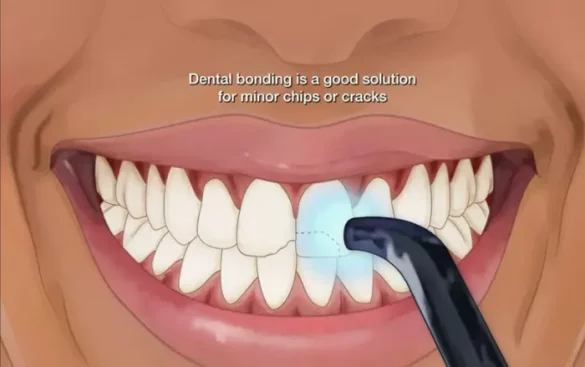
Dental bonding is a cosmetic and restorative procedure that uses a tooth-colored resin to improve the appearance of teeth. It can fix chips, cracks, discoloration, and gaps between teeth. While dental bonding is a popular option because it is less invasive and more affordable than veneers or crowns, many patients wonder how long dental bonding lasts.
Average Lifespan of Dental Bonding
On average, dental bonding lasts between 3 to 10 years. The exact duration depends on factors such as the material used, oral hygiene, and lifestyle habits. Unlike dental crowns, bonding does not have the same strength and may be more prone to chipping or staining over time.
Factors Affecting Durability
Several factors influence the lifespan of dental bonding:
1. Material Quality
The type of composite resin used can affect bonding durability. Higher-quality materials tend to resist discoloration and wear better than cheaper options.
2. Oral Hygiene
Poor oral hygiene increases the risk of staining, decay, and gum disease, all of which can compromise bonded teeth. Brushing twice daily, flossing, and regular dental checkups can help prolong the lifespan of dental bonding.
3. Lifestyle Habits
Chewing hard foods, grinding teeth, nail-biting, and using teeth as tools can chip or damage bonded teeth. Staining foods and beverages, such as coffee, tea, and red wine, can also discolor the resin.
4. Location of Bonding
Bonding applied to front teeth generally lasts longer because it experiences less chewing force than molars. Conversely, bonding on back teeth may need more frequent repair due to increased stress from biting.
Signs That Dental Bonding Needs Replacement
Over time, bonding may show signs of wear. Some common indicators include:
- Chipping or cracking
- Discoloration or staining
- Rough texture or peeling
- Increased sensitivity in adjacent teeth
If you notice any of these signs, consult your dentist to evaluate whether repair or replacement is necessary.
Maintaining Dental Bonding for Longevity
1. Proper Oral Hygiene
Brush your teeth twice daily using a soft-bristled toothbrush and fluoride toothpaste. Floss at least once a day to remove plaque buildup and prevent gum disease. Rinsing with an antibacterial mouthwash can also help reduce the risk of decay around bonded teeth.
2. Avoid Hard Foods and Bad Habits
Do not bite fingernails, chew ice, or open packages with your teeth. These habits can weaken or chip the bonding material.
Using a mouthguard at night is recommended for people who grind their teeth, as bruxism can significantly shorten the lifespan of dental bonding.
3. Limit Staining Foods and Beverages
Foods and drinks with high staining potential can discolor dental bonding. Limit consumption of coffee, tea, wine, and highly pigmented sauces. Regular professional dental cleanings can help reduce surface staining.
4. Regular Dental Checkups
Visit your dentist at least twice a year. Early detection of chips, cracks, or decay can extend the life of dental bonding. Professional polishing may also help maintain the smoothness and appearance of bonded teeth.
Dental Bonding vs. Other Cosmetic Treatments
Bonding vs. Veneers
Veneers are thin porcelain shells that cover the front surface of teeth. They typically last 10-15 years, longer than bonding, and are more resistant to staining. However, veneers are more expensive and require removal of some tooth enamel.
Bonding vs. Crowns
Crowns encase the entire tooth and are stronger than bonding. They are ideal for teeth with extensive damage but require more tooth reduction and are costlier. Bonding is less invasive and can often be completed in a single visit.
Risks and Complications
Dental bonding is generally safe but has potential risks. Bonded teeth can chip, crack, or become discolored. Some patients may experience sensitive teeth after the procedure, which usually resolves over time. In rare cases, poorly maintained bonding can contribute to gum disease or tooth decay around the bonded area.
Cost Considerations
The cost of dental bonding varies depending on location, dentist expertise, and extent of work. On average, bonding costs between $100 to $600 per tooth. Because bonding is less expensive than veneers or crowns, it is an appealing option for minor cosmetic corrections. However, repeated repairs or replacements can increase the total cost over time.
Conclusion
Dental bonding is an effective and affordable solution to enhance the appearance of teeth. Its lifespan generally ranges from 3 to 10 years, depending on factors like material quality, oral hygiene, lifestyle habits, and tooth location. Maintaining proper dental care, avoiding bad habits, and attending regular checkups can significantly extend the durability of bonded teeth. Patients should remain vigilant for signs of wear or damage and consult their dentist promptly to ensure long-lasting results.