


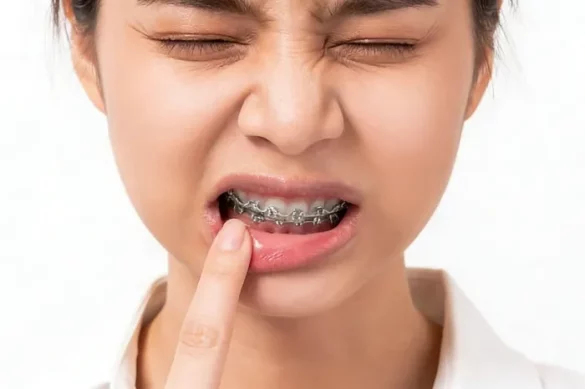
braces soreness is a common experience for anyone who has started orthodontic treatment. If you are considering braces or have recently had them fitted, it is normal to feel some discomfort or pain. This soreness can cause anxiety, but understanding why it happens and how long it lasts can help you manage expectations and prepare for the journey to a healthier, straighter smile.
Why Do Braces Cause Soreness?
Braces work by gently applying pressure to your teeth. This pressure moves your teeth into new positions over time. As the teeth shift, the surrounding gums, ligaments, and bone respond to the force. It is this process that typically causes soreness. Your mouth is not used to the new sensation, and the constant force can create mild inflammation in the tissues. The most common symptoms include sensitive teeth, tender gums, and occasional irritation on the inside of the cheeks or lips from the brackets and wires.
How Long Does braces soreness Last?
For most people, the discomfort begins soon after braces are placed on the teeth. The initial soreness usually starts a few hours after the appointment and peaks within the next couple of days. The most intense discomfort tends to occur during the first three days. However, the overall soreness generally subsides after 4 to 7 days as your mouth adjusts to the new orthodontic appliances. Each time your orthodontist adjusts or tightens the braces, you may experience a new wave of soreness, but this seldom lasts longer than a few days. Over time, as your mouth adapts to each adjustment, the discomfort often becomes milder and shorter in duration.
Variations in Soreness Duration
Everyone’s pain tolerance and physiological response is different. Some people may experience soreness for only a couple of days, while others might feel discomfort for a full week. Factors that can influence the length and severity of soreness include age, the complexity of the orthodontic case, type of braces, and overall oral health. Children and teens often adapt more quickly than adults. It is also important to remember that pain should never be severe or unbearable; if you experience intense or prolonged pain, consult your orthodontist promptly.
What Does braces soreness Feel Like?
The feeling of soreness is often described as a dull ache or mild sensitivity. Chewing can be uncomfortable, and biting into hard foods may be painful. The inside of the mouth may feel tender if brackets or wires irritate the cheeks or tongue. Some patients also notice slight headaches or earaches during the early phase or following adjustment appointments. Normally, these side effects resolve without intervention.
Managing braces soreness at Home
While soreness is a natural part of orthodontic treatment, there are effective ways to reduce discomfort and help your mouth adjust. The following strategies are commonly recommended by orthodontists:
Eat Soft Foods
During the first few days after getting braces or following an adjustment, stick to soft foods that are easy to chew. Yogurt, mashed potatoes, scrambled eggs, pasta, smoothies, and soups are gentle on sensitive teeth and gums. Avoid crunchy, hard, or sticky foods that can worsen the pain or damage brackets and wires.
Use Orthodontic Wax
If brackets or wires are irritating the inside of your mouth, ask your orthodontist for orthodontic wax. Applying a small amount of wax to the problem area can create a smooth barrier and prevent discomfort. Replace the wax regularly and make sure not to swallow it.
Rinse With Salt Water
A mild salt water rinse can soothe inflamed tissues and promote healing. Mix half a teaspoon of salt into a glass of warm water, swish it around your mouth for 30 seconds, and spit it out. Repeat several times a day if needed.
Take Over-the-Counter pain Relief
Ibuprofen or acetaminophen can be used to manage mild pain. Always follow the recommended dosage and guidelines, and consult your doctor if you have allergies or health concerns.
Apply Cold Compress
A cold pack or ice wrapped in a cloth can provide relief if placed on the outside of your mouth for 10 to 15 minutes at a time. This helps to numb the area and reduce inflammation.
When Should You Contact Your Orthodontist?
Mild soreness is expected, but ongoing or severe pain is not normal. If your discomfort does not improve after a week, or if you notice swelling, bleeding, or signs of infection, contact your orthodontist immediately. Sometimes, a loose wire or bracket can cause extra pain, which should be fixed by a professional.
Soreness Due to Braces Adjustments
Most people experience temporary soreness each time the braces are tightened or adjusted. This is a necessary part of the treatment, as it ensures that your teeth continue to move toward their ideal positions. The pain after adjustments is usually less intense and lasts for 1 to 3 days. Using the same home care tips can help reduce soreness following these appointments.
The Psychological and Emotional Side of braces soreness
braces soreness can affect your mood and day-to-day habits. It may feel frustrating, especially for children and teens. Parents should reassure younger patients that the discomfort is temporary and part of achieving a lifetime of healthy teeth. Staying positive and patient throughout the treatment yields rewarding results.
Tips for Preventing Soreness in Future Appointments
Before your next orthodontic appointment, prepare some soft foods and make sure you have pain relief supplies ready. Practice good oral hygiene to prevent additional discomfort caused by gum problems or cavities. Ask your orthodontist for tips on caring for your braces and managing discomfort. Sometimes, minor adjustments such as smoothing rough edges or using extra wax can make a big difference.
Conclusion
braces soreness is a predictable and manageable part of orthodontic treatment. Most patients experience discomfort for between 4 and 7 days after first getting braces, and mild soreness for a day or two after each adjustment. With simple at-home remedies and guidance from your orthodontist, you can keep pain to a minimum and stay focused on your goal of a beautiful, healthy smile. If symptoms do not improve or you have questions, always consult your dental professional for advice.
FAQs
How long does soreness last after braces are first applied?
For most people, soreness lasts between 4 and 7 days after getting braces.
Is it normal to have pain after every braces adjustment?
Yes, mild soreness is normal after adjustments and usually improves within 1 to 3 days.
What should I eat during the first few days with braces?
Stick to soft foods like yogurt, scrambled eggs, pasta, and smoothies to minimize discomfort.
When should I call my orthodontist about pain?
Contact your orthodontist if pain is severe, lasts longer than a week, or if you notice swelling or signs of infection.
Can children and adults expect different soreness durations?
Children and teens often adapt more quickly than adults, but soreness duration is typically similar for most people.