


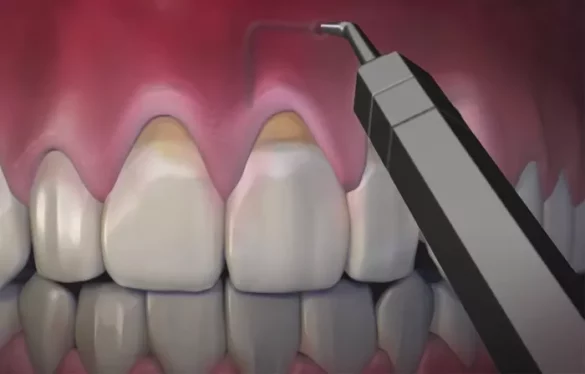
Laser gum surgery is a modern dental procedure used to treat gum disease, remove damaged tissue, or reshape the gums. Compared to traditional surgery, it uses a focused laser to minimize bleeding, reduce pain, and accelerate recovery. Patients often wonder how long it takes to heal after laser gum surgery. Understanding the healing timeline can help set expectations and ensure proper aftercare.
Factors Affecting Healing Time
The healing time after laser gum surgery is not the same for everyone. Several factors can affect recovery, including:
Type of Laser Procedure
Different types of laser gum procedures have different healing timelines. Soft tissue laser procedures, such as gingivectomy or gum contouring, generally heal faster than more invasive treatments like laser-assisted periodontal therapy. The depth and size of the treated area also play a role.
Patient’s Overall Health
General health affects healing. Patients with strong immune systems and no chronic conditions typically heal faster.
Conditions such as diabetes, heart disease, or immune disorders can slow down recovery.
Age of the Patient
Younger patients usually recover faster than older patients. This is due to higher tissue regeneration capacity in younger individuals.
Oral Hygiene Practices
Good oral hygiene accelerates healing. Patients who follow post-operative instructions, including gentle brushing and rinsing with recommended solutions, tend to experience fewer complications and quicker recovery.
Lifestyle Habits
Smoking, alcohol consumption, and poor diet can significantly slow healing. Smoking decreases blood flow to the gums, which delays tissue repair. A balanced diet rich in vitamins and proteins promotes faster recovery.
Typical Healing Timeline
Healing after laser gum surgery generally follows a predictable pattern. Here is a detailed timeline:
Immediate Post-Operative Phase (Day 1–2)
During the first 24–48 hours, patients may experience mild swelling, redness, and discomfort. Pain is usually minimal compared to traditional gum surgery, and any bleeding is often minor. Soft tissue laser surgery reduces trauma to the gums, allowing quicker initial recovery.
Early Healing Phase (Day 3–7)
By the third day, swelling and discomfort typically begin to subside. The gum tissue starts forming a protective layer over the surgical site. Patients should continue following oral hygiene instructions and avoid eating hard or spicy foods that may irritate the gums.
Intermediate Healing Phase (Week 2–3)
Most patients notice significant improvement during this phase. Redness and swelling continue to decrease. The gum tissue begins to firm up and regain normal texture. Any sutures used in conjunction with the laser, although less common, may start to dissolve or be removed by the dentist.
Complete Soft Tissue Healing (Week 4–6)
By the fourth to sixth week, the gums are usually fully healed in cases of minor laser procedures. The tissue is strong, and the surgical site appears almost normal. Patients can resume regular oral care routines, although gentle brushing around the treated area is still recommended.
Full Recovery for Extensive Procedures (6–12 Weeks)
For more extensive procedures, including laser-assisted periodontal therapy, full recovery may take 6 to 12 weeks. This allows deeper tissue regeneration and stabilization of the gums. Regular follow-up visits are essential to monitor healing and prevent complications.
Post-Operative Care Tips
Proper post-operative care is critical for faster healing and optimal results. Key recommendations include:
Maintain Good Oral Hygiene
Brush gently around the surgical area using a soft-bristled toothbrush. Avoid vigorous rinsing in the first 24 hours. Rinse with a dentist-recommended antimicrobial mouthwash to reduce infection risk.
Avoid Irritating Foods and Habits
Stay away from hard, crunchy, or spicy foods that can damage the healing tissue. Avoid smoking and alcohol, as these can delay healing.
Manage Discomfort and Swelling
Mild pain and swelling are normal. Over-the-counter pain relievers, such as ibuprofen or acetaminophen, can help. Apply cold compresses externally to reduce swelling during the first 24 hours.
Follow-Up Visits
Attend all scheduled follow-up appointments. The dentist will check healing progress, remove sutures if necessary, and provide additional guidance for oral care.
Potential Complications and Warning Signs
Although laser gum surgery is generally safe, complications can occur. Patients should watch for:
Excessive Bleeding
Minor bleeding is normal, but persistent or heavy bleeding requires immediate attention from a dentist.
Signs of Infection
Swelling, pus discharge, persistent pain, or fever may indicate infection. Prompt dental evaluation is necessary.
Delayed Healing
If the gums do not show signs of improvement within expected timelines, delayed healing may be caused by underlying medical conditions or poor oral hygiene.
Comparison with Traditional Gum Surgery
Laser gum surgery typically heals faster than traditional methods. Traditional gum surgery may require weeks of recovery, more pain management, and a higher risk of infection. Laser procedures minimize tissue trauma, resulting in quicker healing and less post-operative discomfort.
Long-Term Care for Gum Health
Even after healing, maintaining gum health is essential to prevent future issues. Recommendations include:
- Regular dental check-ups every 3–6 months.
- Daily brushing and flossing to remove plaque and prevent gum disease.
- Healthy diet rich in vitamins and minerals.
- Avoiding smoking and excessive alcohol consumption.
Conclusion
Healing after laser gum surgery generally takes 1 to 6 weeks for minor procedures and up to 12 weeks for more extensive treatments. Recovery depends on the type of procedure, overall health, oral hygiene, age, and lifestyle habits. Following post-operative care instructions, attending follow-up appointments, and maintaining long-term gum health are essential for optimal outcomes. Laser gum surgery offers faster healing and less discomfort compared to traditional methods, making it a preferred choice for many patients.