


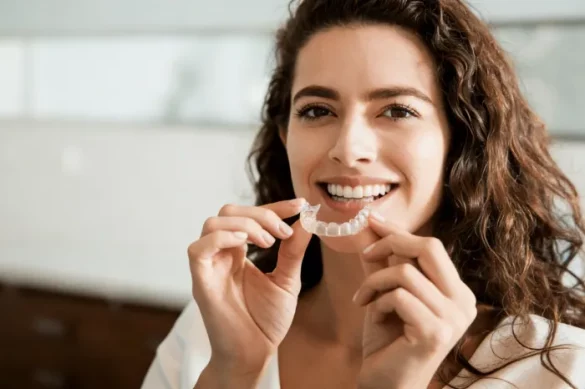
After your braces are removed, you may feel that your orthodontic journey is finally complete. However, there remains one crucial step that ensures your new smile lasts a lifetime: wearing a retainer. Many patients are surprised to learn that this phase is as important as the time spent in braces. Retainers play a vital role in maintaining the alignment and health of your teeth post-treatment. Understanding how long to wear your retainer after braces is key to preserving your results and avoiding relapse.
Why Retainers Are Essential After Braces
During orthodontic treatment, braces gradually shift your teeth into their ideal positions. Once the braces are removed, your teeth and surrounding bone tissues need time to settle and adapt to their new locations. Without a retainer, your teeth may try to return to their original positions, a process known as “relapse.” Retainers are designed to hold your teeth in place during this transitional period, aiding stabilization and long-term success.
The Science Behind Teeth Movement After Braces
It is important to realize that teeth are not fixed permanently in the bone. Instead, they are held by periodontal ligaments, which are flexible and can shift under pressure. Orthodontic treatment works by slowly moving these ligaments and the bone. After your braces are removed, the bone and ligaments need time to harden and secure the teeth in their new positions. This process is gradual and varies from person to person.
Research shows that the most critical period for tooth movement is in the first few months after the removal of braces. If a retainer is not worn as instructed by your orthodontist, teeth may gradually move back or shift, undoing the hard work of your orthodontic treatment.
How Long Should You Wear Your Retainer?
The duration for which you need to wear a retainer after braces depends on several factors, including your unique dental situation and your orthodontist’s recommendations. However, there are general guidelines that most orthodontists follow.
full-time wear (first 3-6 months)
For the first three to six months after your braces are removed, you will likely be instructed to wear your retainer full-time. This means wearing it day and night, only removing it while eating, drinking anything other than water, brushing your teeth, or participating in contact sports with a mouthguard. This phase is the most critical because your teeth are at the highest risk of relapse.
nighttime wear (6 months to 1 year and beyond)
After the initial few months, your orthodontist may reduce your retainer wear to only nighttime. Typically, patients are advised to wear their retainers at night for at least as long as they had braces. For example, if you wore braces for two years, you should expect to wear your retainer at night for at least two years.
lifelong maintenance (Ongoing)
While wearing the retainer is most intensive immediately after braces, it is ideal to continue nighttime wear several times a week for life. The risk of teeth moving back never completely disappears because of natural changes such as aging or the eruption of wisdom teeth. Regular retainer use can significantly reduce the risk of your teeth becoming misaligned over the years.
What Types of Retainers Are There?
Retainers come in different forms, and your orthodontist will help you choose the one best suited to your needs. The two primary types of removable retainers are:
Clear Plastic (Essix) Retainers
These are made from transparent plastic and fit snugly over your teeth. They are comfortable, nearly invisible, and now one of the most popular options.
Hawley Retainers
These are made of metal wires attached to a plastic acrylic base. Hawley retainers are adjustable and durable, allowing minor tweaks if slight movements are needed.
Fixed (Bonded) Retainers
A fixed retainer, also called a permanent or bonded retainer, is a thin wire cemented to the back of the teeth (usually the lower front teeth). It cannot be removed by the patient and offers constant support. Fixed retainers require special cleaning and regular dental checkups to avoid plaque buildup.
Why Is Long-Term Retainer Wear Necessary?
Some patients ask whether they need to wear a retainer forever, and the answer is almost always yes. Even after years, teeth can shift due to daily habits, changes in bite, or natural aging. Consistent retainer use limits these changes and helps keep your smile as straight as possible. Not wearing your retainer can cause your teeth to drift, possibly leading to more orthodontic treatment in the future.
What Happens If You Don’t Wear Your Retainer?
If you skip wearing your retainer, even for a few days, you may notice that it feels tighter when you try to put it back in. This means your teeth have started to move. Going without your retainer for weeks or months could result in your teeth partially or fully shifting back to their original position. Should your retainer no longer fit, or if it becomes uncomfortable, contact your orthodontist right away as you may need a new retainer or further intervention.
Caring for Your Retainer
To maximize the effectiveness and longevity of your retainer, it is important to care for it properly:
- Always store your retainer in its case when not in use.
- Clean your removable retainer each time you brush your teeth, using a soft toothbrush and mild soap or a specifically designed retainer cleaner. Avoid very hot water, which can warp the plastic.
- Avoid wrapping your retainer in napkins or tissues, as it can be easily lost or thrown away.
- Keep retainers out of reach of pets and children.
- Schedule regular checkups with your orthodontist to ensure the retainer still fits and works effectively.
Individual Variations and Following Your Orthodontist’s Advice
Every smile is unique, so retainer instructions can vary. It is essential to follow your orthodontist’s guidance regarding retainer wear. Your dental professional monitors your progress and adjusts your schedule based on how your teeth respond to the retention phase. Regular communication and checkups can help catch potential problems early, ensuring your smile stays healthy and aligned.
The Psychological and Hygiene Benefits of Wearing a Retainer
Proper retainer use not only maintains the appearance of your teeth but also brings psychological comfort. You can smile confidently, knowing your orthodontic investment is protected. Additionally, straight teeth are easier to clean, which lowers the risk of cavities and gum disease. Using your retainer keeps your teeth in a position that supports better oral health long-term.
Conclusion
Wearing a retainer after braces is not just a short-term task but a lifelong commitment to your smile. The most critical period is directly after the removal of braces, with full-time wear for the first three to six months, followed by nighttime wear for at least as long as you had braces. Ideally, continued retainer wear several nights each week is recommended for life. Skipping the retainer or neglecting care instructions risks undoing your orthodontic progress. Protect your straight, healthy smile by following your orthodontist’s advice and caring for your retainer.
FAQs
How long is the minimum time to wear a retainer after braces?
Most orthodontists recommend full-time wear for at least three to six months, then nighttime wear after that.
Do I have to wear a retainer forever?
Wearing a retainer at least a few nights a week for life is best to prevent your teeth from shifting.
What should I do if my retainer no longer fits?
Contact your orthodontist immediately. You may need an adjustment or a replacement to prevent tooth movement.
How do I clean my retainer?
Use a soft toothbrush and mild soap or retainer cleaner. Avoid hot water, and clean it each time you brush your teeth.
Will not wearing a retainer affect my bite?
Yes, neglecting your retainer can cause not only teeth misalignment but also bite and jaw issues over time.