


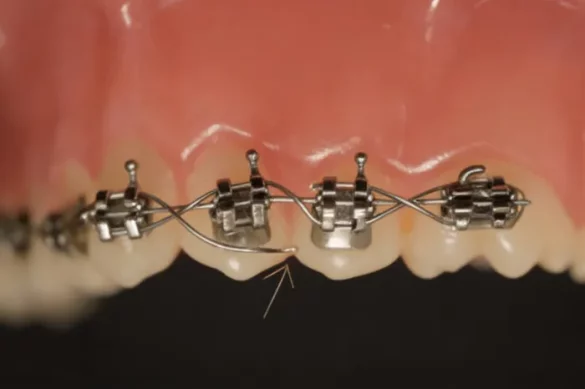
Experiencing recurring breakages with your braces can be both frustrating and concerning, as these incidents may slow down your orthodontic treatment and require extra appointments for repairs. Understanding why braces are prone to breaking—and recognizing the steps you can take to minimize these issues—can help make your orthodontic journey smoother and more successful.
The Design of Orthodontic braces
braces are sophisticated orthodontic devices designed to gradually reposition teeth for improved alignment and bite function. Typically, braces consist of small metal or ceramic brackets bonded to each tooth, archwires threading through these brackets to guide movement, and elastic bands or other supportive apparatus. Each element is meticulously placed to withstand daily forces, but the very nature of orthodontic treatment means that these components are under constant pressure and occasionally experience failure.
Vulnerabilities in braces Construction
The bonding material used between brackets and teeth is engineered for strength, but it can be compromised by several factors. The archwires, while designed for flexibility and resilience, may also bend or snap if subjected to excessive force. In addition, the design of some braces—including self-ligating brackets or specialized elastics—can affect how prone certain components are to breaking.
Common Reasons for Broken braces
Food-Related Damage
Orthodontists universally recommend avoiding hard, crunchy, and sticky foods while wearing braces. Items like popcorn kernels, nuts, hard candies, and gum can generate enough force to dislodge brackets or break wires. Sometimes, even foods that seem soft—like bagels or pizza crusts—can cause unexpected damage, particularly if eaten with enthusiasm or without proper caution.
Everyday Habits and Accidents
Chewing on non-food items such as pens, pencils, fingernails, or even opening packages with your teeth can place concentrated pressure on the brackets and wires. Many patients, particularly adolescents, subconsciously develop these habits, increasing the risk of breakages. Even accidental knocks to the mouth or sporting injuries, despite the use of mouthguards, can sometimes result in broken braces.
Application Errors and Material Fatigue
Successful orthodontic bonding relies on a clean, dry tooth surface and precise placement. If the dental enamel is not properly conditioned before application, the adhesive bond may weaken. Over time, repeated tightening and adjustments can stress both the bonding agents and the hardware, occasionally leading to failures despite careful technique.
Bite Forces and Oral Structure
The unique alignment and movement of your jaws play a significant role in brace stability. If your bite is especially strong or has imbalances, certain brackets might be subjected to greater forces when chewing or closing your mouth—leading to repeated detachments. Orthodontists will occasionally install bite blocks or pads to help redirect or mitigate harmful forces, especially if they notice recurring breakage in the same locations.
oral hygiene and Decay
Neglecting proper oral hygiene can undermine the effectiveness of brace adhesives. The build-up of plaque and the development of cavities can weaken the bond between bracket and tooth. Additionally, decayed enamel cannot hold adhesives as reliably, so brackets may fall off during routine cleaning or adjustments.
Real-Life Experiences and Professional Insights
Orthodontic clinics frequently encounter patients who experience repeated breakages. Dr. Lisa Carter, a practicing orthodontist, notes, “We see patterns in breakage based on eating habits and how carefully patients follow instructions. Most breakages are preventable with a bit more awareness and care.” She recommends that patients keep a diary of breakages and what they were doing at the time. This helps uncover habitual causes, like snacking on forbidden foods or fidgeting during homework.
Rachel, 16, recalls, “My brackets kept popping off every few weeks, but once I stopped chewing pen caps and switched to eating softer snacks, things improved fast.”
Case Example: Persistent Breakage
Sam, a 14-year-old patient, returned to his orthodontist four times in two months with detached brackets. A closer look revealed he frequently bit into apples whole and played contact sports without protective gear. After modifying his snack habits and using a mouthguard, breakages decreased dramatically.
Statistics on braces Breakage
Research indicates that approximately 5–10% of braces-wearing patients experience at least one broken bracket or wire during their treatment. Recurrent breakages—defined as three or more incidents—are mostly attributed to dietary choices and poor oral hygiene. In a recent survey of 500 orthodontic patients, over 60% reported at least one instance of bracket failure, often during the first six months post-placement, which is when learning to navigate new eating and cleaning habits is most challenging.
Diagnosing the Root Cause of breakages
When a bracket falls off, examining the location of residual adhesive can provide clues. Adhesive left on the bracket suggests an issue with bonding technique, while adhesive remaining on the tooth typically means the failure resulted from external forces—such as chewing hard food or improper habits. Promptly informing your orthodontic office about these details can help them tailor their advice and repairs more effectively.
Navigating Immediate repairs
Upon noticing a broken bracket or wire, resist the urge to attempt a home fix. Instead, contact your orthodontist for guidance. While awaiting your appointment, avoid chewing on the affected side and maintain your oral hygiene routine. If a wire is poking or causing discomfort, use orthodontic wax to cover the sharp end—but leave any repairs to professionals to avoid aggravating the problem.
Open communication with your orthodontic team is key. Instead of feeling embarrassed by recurring breakages, report each incident honestly; this transparency can often lead to valuable changes in strategy and prevent further complications.
Practical prevention strategies
Dietary Caution
Cut crunchy fruits and vegetables into small, manageable pieces. Steer clear of sticky or hard foods, as well as snacks that require biting force (like tough rolls or whole apples). Some orthodontists suggest compiling a list of safe and unsafe foods to keep handy in your kitchen for regular reference.
Habit Modification
Consciously break tendencies to chew objects other than food. Parents of younger patients may notice absent-minded fidgeting or chewing on school supplies and can gently remind them to stop. Wearing a mouthguard during sports offers extra protection from accidental impacts.
Hygiene Efforts
Brush and floss diligently, using orthodontic tools such as interdental brushes or water flossers to access areas around brackets. Schedule regular cleanings and check-ups with your dentist to support oral health and ensure that enamel remains strong for bonding.
Consistent Appointments and Clear Communication
Keep every scheduled orthodontic visit so your specialist can detect early signs of wear or failure. If some brackets repeatedly break despite your best efforts, open a conversation about alternative treatments or brace designs; options may include reinforced appliances or, in certain cases, clear aligners tailored to resilient movement.
Conclusion
Experienced orthodontists emphasize that most cases of recurrent breakage are manageable and seldom disrupt overall treatment timelines if addressed quickly. Dr. Carter concludes, “Prevention is about partnership—patients who stay informed and communicate openly with their care team enjoy the best outcomes.”
Ultimately, if your braces keep breaking, don’t despair. Take practical steps to identify and resolve the underlying issue, work closely with your orthodontist, and focus on adjusting habits that may inadvertently cause problems. Through increased awareness, good communication, and a bit of patience, successful orthodontic results remain well within reach.