


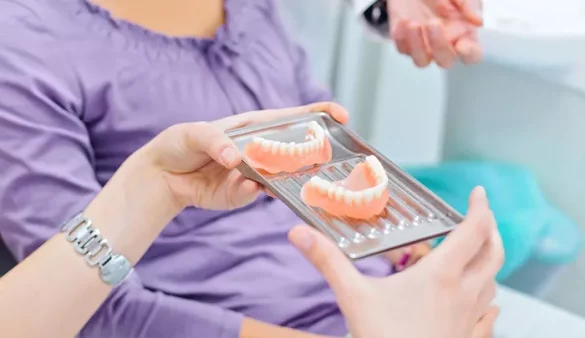
Lower dentures are a common solution for individuals who have lost most or all of their lower teeth. Unlike upper dentures, lower dentures often face challenges with stability due to the jaw’s anatomy. Dental implants can provide essential support and retention for lower dentures. Understanding how many implants are needed is crucial for achieving comfort, function, and long-term oral health.
Why Lower Dentures Require Implants
Lower dentures may become loose due to gum recession, bone loss, or natural jaw structure. Patients with gum disease or a history of missing teeth often experience difficulty keeping lower dentures in place. Dental implants act as artificial tooth roots, anchoring dentures securely. This reduces slipping, improves chewing ability, and prevents bone deterioration over time.
Challenges with Traditional Lower Dentures
Traditional lower dentures rely on suction and the tongue’s pressure to stay in place. However, several issues can arise:
- Difficulty speaking clearly.
- Problems chewing hard or sticky foods.
- Gum irritation and soreness.
- Accelerated bone loss in the lower jaw.
Dental implants address these problems by stabilizing the denture and distributing bite forces more evenly.
Factors Influencing the Number of Implants Needed
The number of implants required for a lower denture depends on multiple factors. These include jaw bone density, overall oral health, budget, and the type of denture planned.
Jaw Bone Density
The strength and volume of the jaw bone are critical. Patients with sufficient bone may require fewer implants, while those with bone loss may need additional implants to ensure stability. Bone grafting may be necessary for patients with severe bone resorption.
Overall Oral Health
Patients with gum disease or ongoing oral infections may not be suitable candidates for immediate implants. Controlling gum inflammation is vital to prevent implant failure. Healthy gums support the implants and enhance denture longevity.
Type of Denture
There are mainly two types of implant-supported lower dentures:
Bar-Retained Dentures: A metal bar connects multiple implants, and the denture clips onto the bar.
Ball-Retained Dentures: Individual implants have ball attachments that fit into sockets on the denture.
The type of denture affects how many implants are recommended. Bar-retained dentures usually require more implants than ball-retained ones for proper support.
Recommended Number of Implants for Lower Dentures
Dental professionals often recommend a minimum of two implants for a lower denture. However, the optimal number varies based on individual needs.
Two-Implant Option
Two implants are commonly used for a lower denture. They provide basic stability and prevent the denture from sliding. Advantages include:
- Lower cost compared to more implants.
- Simple surgical procedure.
- Improved comfort over traditional dentures.
However, patients may still experience some denture movement during chewing, especially with softer or sticky foods.
Four-Implant Option
Four implants offer superior stability. They evenly distribute bite forces, reducing stress on the gums and bone. Benefits include:
- Excellent denture retention.
- Reduced risk of gum irritation and soreness.
- Better chewing efficiency and speech clarity.
This option is often preferred for patients who want a permanent, secure solution with minimal denture movement.
All-on-Four Implants
The All-on-Four approach uses four strategically placed implants to support a full lower arch. The implants are angled to maximize contact with available bone. Advantages include:
- Fewer implants required for full arch support.
- Can avoid bone grafting in some cases.
- Permanent fixed dentures, eliminating the need for adhesive.
All-on-Four is suitable for patients with sufficient bone and good overall oral health.
Factors Affecting Implant Success
Several factors influence the long-term success of lower dental implants. Addressing these is essential for durable dentures.
Bone Quality and Quantity
Implants need sufficient bone to anchor securely. Patients with bone loss may require bone grafting. Bone quality also affects healing time and implant stability.
Oral Hygiene
Maintaining healthy gums is critical. Poor oral hygiene increases the risk of gum disease and implant failure. Regular brushing, flossing, and professional cleanings are necessary.
Systemic Health
Conditions like diabetes or osteoporosis can affect healing and implant integration. Patients should discuss their medical history with their dentist to minimize risks.
Lifestyle Factors
Smoking and excessive alcohol consumption can impair healing and reduce implant success rates. Patients should consider lifestyle changes before undergoing implant surgery.
Potential Risks and Complications
Although dental implants have high success rates, potential risks exist, including:
- Infection at the implant site.
- Implant failure due to poor bone integration.
- Damage to surrounding nerves or tissues.
- Sensitive teeth or gum discomfort during initial healing.
Proper planning, surgical technique, and aftercare minimize these risks significantly.
Cost Considerations
The number of implants directly affects the cost of lower denture treatment. Factors influencing cost include:
- Number of implants and type (two, four, or All-on-Four).
- Type of denture attachment (bar-retained, ball-retained, or fixed).
- Need for bone grafting or other preparatory procedures.
- Location and expertise of the dental professional.
Patients should discuss financing options and insurance coverage with their dental provider.
Post-Operative Care and Maintenance
Proper care ensures implant longevity and denture comfort. Key practices include:
Daily Oral Hygiene
Brush implants gently with a soft-bristled toothbrush and use low-abrasive toothpaste. Floss around implants using specialized floss or interdental brushes. Healthy gums prevent infection and support implant stability.
Regular Dental Visits
Professional cleanings and check-ups help detect early signs of gum disease or implant issues. Dentists can adjust dentures to maintain proper fit and prevent irritation.
Managing Sensitive Teeth and Gums
Sensitivity is common after denture placement. Using toothpaste for sensitive teeth and avoiding very hot or cold foods can help. Pain or persistent discomfort should be evaluated promptly.
Long-Term Benefits of Implant-Supported Lower Dentures
Investing in implants for lower dentures offers numerous advantages:
- Enhanced chewing ability and nutrition.
- Improved speech and confidence.
- Prevention of further bone loss.
- Reduction in gum irritation and soreness.
- Greater overall oral health.
Conclusion
Determining how many implants are needed for lower dentures requires careful evaluation of jaw bone, oral health, denture type, and lifestyle factors. While two implants can provide basic stability, four or All-on-Four implants offer superior support and function. Patients should maintain excellent oral hygiene, manage gum disease, and address any sensitive teeth issues to ensure long-term success. Consulting a dental professional is essential to create a personalized treatment plan that maximizes comfort, durability, and oral health.