


Dental splints are invaluable tools in modern dentistry. Designed to stabilize loose teeth or protect them from damage due to habits like bruxism, splints offer practical solutions for a range of dental problems. But for many patients, one important question remains: how much does a dental splint cost? Understanding this can help you prepare financially and make informed decisions about your oral health care.
What Is a Dental Splint?
A dental splint is an appliance used to support, protect, or immobilize teeth. In cases of gum disease, accidents, or teeth grinding, dental splints help hold teeth in place or reduce further damage. Splints may be recommended by your dentist for loose teeth due to periodontal disease, for recovery after trauma, or for conditions such as bruxism (teeth grinding).
Types of Dental Splints
Periodontal Splinting
Periodontal splints are used when teeth become loose, typically from advanced gum disease. These splints join multiple teeth together to distribute biting force more evenly, providing stability and support to the weakened area. Splinting can be temporary or permanent depending on the severity of the problem and the long-term prognosis of the teeth.
Occlusal Splints (Night Guards)
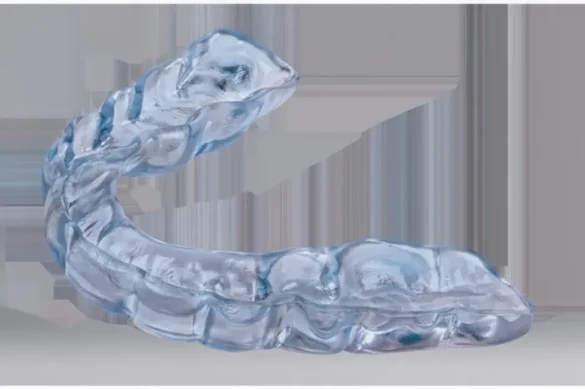
Occlusal splints, sometimes called bite guards, are mainly used for people who grind their teeth at night (bruxism). These are custom-made devices, often clear and molded to fit the patient’s dental arch precisely. Advanced versions such as the Comfort3D™ Bite Splint offer improved fit and comfort, using digital design and modern materials.
Temporary vs Permanent Splints
Temporary splints are intended for short-term stabilization, often after a tooth injury or during healing following dental procedures. These may be made from resin or wires and are easy to remove or adjust. Permanent splints, on the other hand, usually involve connecting crowns together or fabricating a fixed structure to keep teeth immobilized for longer periods.
Factors Affecting the Cost of Dental Splints
Type of Splint
The price of a dental splint depends greatly on the type required. Periodontal splints and occlusal splints differ in design and materials, leading to variations in cost. Simple resin bonding may be less expensive, while advanced digitally designed night guards or fixed splints made with crowns will be higher in price.
Materials Used
Materials play a significant role in determining cost. Acrylic resin, wire composites, and advanced polymers are commonly used. The more advanced the material, like 3D-printed flexible plastics, the higher the price.
Number of Teeth Involved
If only one tooth is loose or needs stabilization, the cost will be much lower. For cases where multiple teeth must be splinted together, each additional tooth adds to the expense.
Procedure Complexity
Temporary splints are straightforward to place and often cost less. Permanent splinting, crown fabrication, or digital designing takes more time and expertise, increasing the overall investment.
Geographic Location and Dentist Expertise
Prices for dental procedures vary significantly between regions and clinics. Urban areas or clinics with advanced technology and specialists often charge more. However, higher costs can also mean better quality and longer-lasting results.
Typical Cost Range for Dental Splints
Most dental clinics will charge between $100 and $400 per tooth for splinting procedures. This makes dental splinting a relatively affordable option compared to extensive surgical treatments or full tooth replacements. For custom-made night guards or advanced splints, costs may range from $300 to $600, sometimes more if highly specialized materials or designs are required.
Insurance Coverage and Payment Options
Dental insurance plans may cover part or all of the cost of a dental splint if medically necessary. Coverage varies, so patients should contact their insurance provider for specific details. Some clinics also offer payment plans or financing options, making treatment more accessible even if up-front costs are high.
Risks and Benefits of Dental Splints
Dental splints are considered safe and effective for most patients. Risks include discomfort, difficulty maintaining oral hygiene around the splint, and rare cases of allergic reaction to materials. Benefits include increased tooth stability, protection from further tooth loss, and relief from symptoms of grinding or trauma.
How Long Does a Dental Splint Last?
The longevity of a dental splint is determined by the type, materials, and patient habits. Temporary splints are intended for short-term use, usually ranging from two weeks to a few months. Permanent splints may last several years if properly cared for. Night guards for bruxism typically require replacement every few years, depending on wear.
What to Expect During the Dental Splint Procedure
The process starts with a dental examination and imaging to identify which teeth need splinting. The dentist discusses the options, expected outcomes, and costs. Once agreed, splints are fitted in a separate appointment. Some discomfort is normal after the procedure but usually subsides within days. Follow-up visits are important to monitor progress and avoid complications.
Choosing the Right Dental Splint
Selecting the right type of dental splint is vital for successful results. Your dentist or periodontist will recommend an option based on your condition, health history, and finances. For gum disease, periodontal splinting is often combined with other therapies to control inflammation and prevent further tooth loss. For grinding, a custom occlusal splint is designed for protection and comfort.
Maintenance and Care
Taking care of your dental splint involves meticulous oral hygiene. Brushing and flossing around the splint help prevent gum problems and bacterial buildup. Night guards should be cleaned regularly with non-abrasive solutions. Routine dental check-ups allow early detection of problems and timely intervention.
Conclusion
Dental splints offer a practical solution for loose teeth, bite problems, or bruxism. While costs vary based on type, materials, and complexity, most patients can expect a range of $100-$400 per tooth. Understanding the factors influencing prices, benefits, risks, and maintenance needs helps you make an informed decision. Always consult with your dentist for a thorough assessment before proceeding with splint treatment.
Frequently Asked Questions
What is the average cost of a dental splint?
Dental splints generally cost between $100 and $400 per tooth, with more advanced designs and custom night guards costing higher.
Does insurance cover the cost of dental splints?
Some dental insurance plans help cover medically necessary dental splints. Coverage varies, so check with your provider.
How long do dental splints last?
Temporary splints last a few weeks to months, while permanent options and night guards may last years if well maintained.
Are dental splints painful to wear?
Some discomfort may occur initially, but proper fit and adjustment minimize this and most patients adjust quickly.
When should I see a dentist about a dental splint?
If you have loose teeth, pain during chewing, or signs of grinding, consult your dentist to see if splinting is appropriate.