


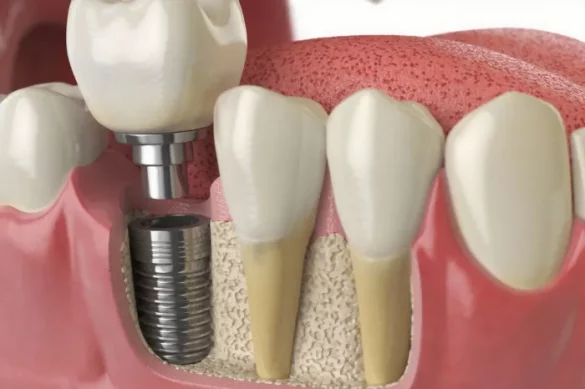
When considering a molar tooth implant, many people first want to know the cost. dental implants are a popular solution for replacing missing teeth, and molars play a crucial role in chewing and overall oral health. Understanding the financial commitment required is essential for anyone seeking a permanent tooth replacement.
What Are Molar Tooth Implants?
A molar tooth implant is a surgical dental procedure used to replace a missing molar with an artificial tooth. The process involves placing a titanium screw into the jawbone, which serves as the foundation for a new dental crown. This treatment offers strength, durability, and a natural appearance, making it one of the best options for restoring function to the back teeth.
Average cost of Molar Tooth Implants
The price for a molar tooth implant can vary widely. In the United States, the average cost of a single dental implant—including the post, abutment, and crown—ranges from $3,000 to $6,000. This is a broad range, and the final price depends on several factors. The cost may be higher in certain cities or if you require specialized treatment.
Factors That Influence Implant Costs
Geographic Location
Dental implant prices are not the same everywhere. Urban areas and cities with a higher cost of living usually have more expensive dental services. Rural areas may offer lower costs due to reduced overhead expenses for dental clinics.
Dentist or Specialist Fees
The expertise of the provider can influence the price. Oral surgeons or prosthodontists may charge more than general dentists for implant placement because of their advanced training. Experienced professionals often deliver higher quality results but may require a larger investment.
Materials Used
Most dental implants today are made from titanium, a biocompatible metal that integrates well with bone. Some clinics offer ceramic or zirconia implants, which can be more expensive. The material of the crown—porcelain, ceramic, or metal—also affects pricing.
Preparatory Procedures
Patients sometimes need extra procedures before an implant can be placed. If your bone is too thin or soft, a bone graft might be necessary. Other treatments can include tooth extraction, sinus lifts for upper molars, or additional X-rays and scanning. Each of these can add $300 to $3,000 or more to the total cost.
Number of Implants Required
If you are missing more than one molar, the cost increases accordingly. Some dental professionals may offer package deals or discounts for multiple implants, but each tooth usually requires separate implant placement for proper function and durability.
Steps Involved in Molar Tooth Implantation
Getting a molar tooth implant is often a process with several stages. Each step can affect the overall cost and timeline.
- Consultation and Diagnosis: The dentist evaluates your mouth, takes X-rays or scans, and discusses treatment options. Fees for these services may range from $100 to $500.
- tooth extraction: If the molar is still present but damaged, it must be removed. This can cost $150 to $300.
- bone grafting (if needed): Adds stability if the bone is insufficient. This procedure can cost $500 to $3,000.
- implant placement: Surgical insertion of the titanium post. This usually costs $1,000 to $3,000.
- abutment placement: Attaches the post to the crown. Expect fees between $300 and $500.
- crown placement: The final step, where the artificial tooth is attached. This can be $1,000 to $2,000.
insurance coverage and payment options
Dental insurance sometimes covers part of the implant procedure, but most plans treat dental implants as a cosmetic treatment. Patients should check with their providers for specific coverage details. Some dental clinics offer financing options or payment plans to help spread out costs over time.
Long-Term Value of Molar Tooth Implants
Although molar tooth implants are expensive upfront, they tend to last for many years—sometimes decades. They restore chewing function more effectively than bridges or dentures. Implants help preserve jawbone health and prevent the shifting of surrounding teeth. In the long run, dental implants can be more cost-effective than repeated repairs for other restoration methods.
Are There cheaper alternatives?
Some alternatives include dental bridges, partial dentures, or removable appliances. These options may be less expensive—costing from $1,500 to $3,000 for bridges or even less for dentures—but they often require more maintenance and do not last as long or preserve bone tissue.
Choosing the Right Dental Clinic
When selecting a dental provider, ask about qualifications, experience, and guarantees for their work. Look for clinics with transparent pricing and clear explanations. Reading reviews or seeking recommendations can help you make confident decisions.
Risks and Other Considerations
All dental surgery involves some risk. These include infection, implant failure, or complications with bone healing. The chances are low when you work with skilled professionals and follow the aftercare instructions. Always discuss any medical conditions or concerns with your dentist before surgery.
Conclusion
The cost of a molar tooth implant depends on many factors, including the location of the dental clinic, the materials used, the qualification of the dentist, and the need for additional procedures such as bone grafting. While the initial price is significant, molar implants provide lasting value, reliable function, and improved oral health. Before making a decision, consult with your dentist and review all costs and financing options to ensure the treatment fits your needs and budget.
FAQs
How long does a molar tooth implant last?
A molar tooth implant can last 10 to 30 years or more with good oral hygiene and regular dental checkups.
Are molar tooth implants painful?
The procedure is generally done under anesthesia, so discomfort during surgery is minimal. Some soreness is expected during the healing process.
Is it possible to get dental insurance for molar implants?
It depends on your insurance plan. Most dental insurances do not cover implants, but some may pay for part of the procedure, especially if it’s medically necessary.
What are the alternatives to molar tooth implants?
Alternatives include dental bridges, removable partial dentures, and sometimes flippers. These options may not last as long as implants or preserve bone health as effectively.
What affects the cost most for a molar implant?
The biggest factors are your location, the need for bone grafts or other preparatory surgeries, and the dental professional’s expertise.