


Tooth fillings are one of the most common dental procedures in Hong Kong, helping residents repair cavities and maintain overall oral health. For anyone considering a filling, understanding the associated costs is key to making informed choices about dental care and budgeting for future treatments.
What Is a Tooth Filling and Why Is It Needed?
A tooth filling involves removing decay from a tooth and sealing the cavity with a specialized material. This not only restores the strength and function of the tooth but also protects it from further damage. Fillings come in a variety of materials—composite resin, amalgam, glass ionomer, and occasionally gold—each affecting both the final price and aesthetic outcome.
Impact of Fillings on Dental Health
Prompt treatment of cavities with fillings can help prevent more severe dental issues like persistent pain or the need for root canals. Addressing problems early allows dentists to retain as much natural tooth as possible and lowers the risk of complications.
Types of Filling Materials Used in Hong Kong
Dentists in Hong Kong offer several filling materials:
Composite Resin
Composite resin is valued for its natural appearance and reliable performance, making it popular in both front and back teeth.
Amalgam
Metal amalgam fillings, made mostly from silver and mercury alloys, remain durable but are less favored today due to their metallic look.
Glass Ionomer
Best for small cavities in less stressed areas, glass ionomer releases fluoride, adding an extra protective benefit.
Gold
Gold fillings are rare and expensive, appreciated mainly for exceptional strength and longevity.
The Treatment Process
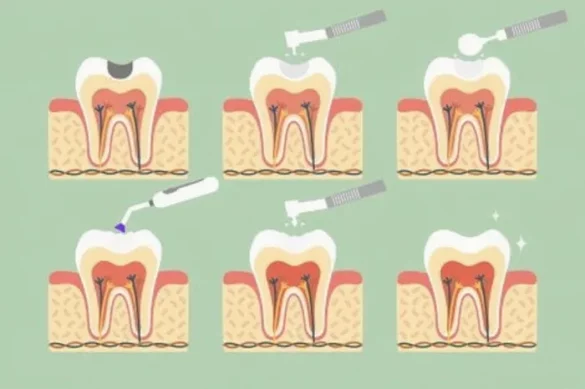
A dentist will first numb the area, remove the decay, clean the cavity, and then apply the chosen filling material. The filling is molded for comfort and then polished to blend with the natural tooth.
What Does a Tooth Filling Cost in Hong Kong?
Private Dental Clinics
Patients typically encounter fees starting at HK$600 for composite resin fillings in private clinics, but the total may rise based on material choice, extent of decay, or tooth location.
Factors Affecting the Cost
Prices depend on several elements:
- Material: Composite is more costly than amalgam, while gold is the highest-priced option.
- Size and Position: Large cavities or molars generally cost more.
- Dentist’s Credentials and Clinic Area: Top-tier practices in prime locations may charge a premium.
- Additional Procedures: X-rays, anesthesia, and check-ups could add HK$100–HK$300 per visit.
Public vs Private Clinics
Public clinics can offer lower prices, though patients may face limited material choices and longer waits. Private practices typically provide broader selections and faster service, but at a higher overall cost.
Real-life Scenarios and Patient Experiences
Ms. Lee, a corporate professional in Central, paid HK$650 for a composite filling at a private clinic and appreciated the clear breakdown of costs and prompt appointment. In contrast, Mr. Chan chose a public clinic, spending HK$200 but waited nearly two months for treatment, and had limited material options. Such stories highlight the importance of considering both price and convenience.
Expert Perspectives
According to Dr. Wong, a local dental surgeon, “Composite resin has become the standard for most patients due to its durability and appearance, but it is wise to request breakdowns of costs to avoid surprises.” Dental associations in Hong Kong also recommend verifying a dentist’s qualifications and reputation before choosing a clinic.
Insurance and Payment Advice
Many health insurance plans reimburse standard fillings, but the degree of coverage varies. Patients are urged to read their policy’s small print or speak directly with providers to confirm benefits and claim procedures before booking appointments.
International Price Comparisons
Hong Kong’s prices are competitive. In Tokyo and Seoul, costs for composite fillings range from HK$500 to HK$900 per tooth; in London or New York, prices often reach HK$1,500 or more, reflecting the higher cost of living and dental fees abroad.
Aftercare and Complications
Most people experience mild, short-lived sensitivity after getting a filling. Dentists recommend avoiding very hot or cold foods initially and maintaining good oral hygiene for lasting results. If pain or discomfort persists beyond a few days, a follow-up consultation is advised.
Tips to Save Money on Fillings
Proactive oral hygiene—regular brushing, flossing, and routine dental check-ups—can help prevent cavities and reduce your chances of needing a filling. Some clinics offer bundled or promotional rates, especially for early detection and treatment.
Key Points to Remember
- Typical cost: Around HK$600 per tooth at private clinics
- Final charges vary based on materials, tooth size, and clinic reputation
- Public clinics are cheaper but involve longer waits and material limitations
- Request detailed treatment breakdowns and clarify all fees
- Check insurance coverage before proceeding
- Preventive care can reduce future filling expenses
Frequently Asked Questions
What is the average cost for a tooth filling in Hong Kong?
Most private clinics charge about HK$600 per tooth. Fees depend on material, tooth complexity, and provider.
Are dental fillings covered by local insurance policies?
Many plans cover part or all of the cost. Check your policy or consult your provider ahead of time.
How long do composite fillings last?
With good care, composite fillings often last five to ten years.
Can public clinics offer more affordable services?
Yes, though selection and timing may be limited compared to private options.
Does the procedure hurt?
Dental fillings are performed under anesthesia, so patients rarely feel pain. Some sensitivity may occur briefly afterward.