


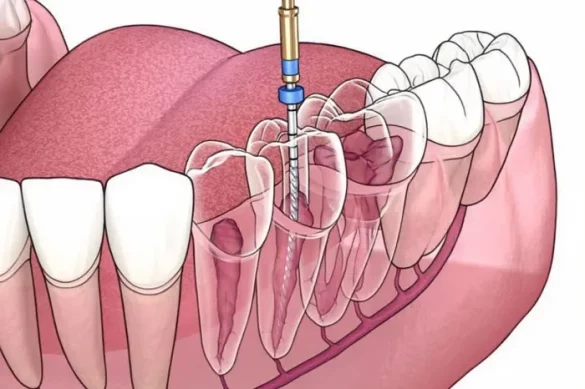
Needing a root canal can be stressful, both because of the procedure itself and the costs involved. One of the first questions patients ask is how much their dental insurance will cover for root canal treatment. While dental insurance is designed to make procedures like root canals more affordable, the amount of coverage varies widely from one plan to another. Understanding your policy and the key factors affecting coverage can help you prepare for the financial aspect of your dental care.
What Is a Root Canal and Why is it Needed?
A root canal is a dental procedure that treats infection or damage at the center of a tooth, called the pulp. This procedure is often necessary when deep decay, repeated dental work on a tooth, or a crack or chip leads to infection. A root canal can relieve pain, save the natural tooth, and prevent further dental complications.
Typical Cost of a Root Canal
The cost of a root canal depends on several factors, including the location of the tooth, the complexity of the procedure, and your geographical region. Based on recent cost estimations from Seattle, the price for a root canal ranges between $681 and $1,102 when performed by an in-network provider. If you see an out-of-network provider, costs can be much higher, ranging from $1,043 to $1,850 or more. Additional treatments like a dental crown, often recommended after a root canal, are not included in these costs and are billed separately.
How Much Does Dental Insurance Cover for Root Canals?
Many dental insurance plans cover 50% to 80% of the cost of a root canal. The exact percentage depends on your insurance policy and the specific details of your plan. Here are the common factors that determine how much dental insurance will pay:
Type of Dental Plan
Insurance policies vary, but most fall under three main categories:
1. Employer-Sponsored Group Plans
These plans are offered through your employer and may provide broader coverage or a higher annual maximum. Group plans often negotiate better rates with in-network dentists.
2. Individual or Family Dental Plans
Plans you purchase independently can range widely in their coverage. Always check the benefit booklet to understand the exact terms before scheduling your root canal.
3. Discount Dental Plans
These are not true insurance but can reduce your out-of-pocket costs by providing lower rates with participating dentists. They do not provide insurance reimbursement but can help if you do not have traditional dental insurance.
In-Network vs Out-of-Network Providers
Insurance companies usually have a list of approved providers (in-network). Using an in-network dentist or endodontist means the insurance company has negotiated lower rates, and your coverage will go further. For example:
- In-network root canal average: $681–$1,102
- Out-of-network root canal average: $1,043–$1,850
If you use an out-of-network provider, you not only pay more upfront, but your insurance may reimburse at a lower rate, leading to higher out-of-pocket expenses.
Important Terms That Affect Coverage
Annual Maximum
The annual maximum is the most your dental insurance will pay for all dental care in a 12-month period. For most policies, this limit is between $1,000 and $2,000. Once you reach this limit, you’ll need to pay the full cost of any additional dental work done within that year, including root canals.
Copayments
A copayment (or copay) is a fixed amount you pay for a covered procedure before your insurer pays the rest. For a root canal, your copay could range from $50 to several hundred dollars, depending on your plan.
Deductible
The deductible is the amount you must pay out-of-pocket for dental care each year before your insurance starts paying. Deductibles often range from $50 to $150 per person per year.
Waiting Periods
Some dental insurance plans have a waiting period for major procedures, including root canals. This can range from a few months to a year after your policy starts. If you need a root canal before this period ends, your insurance may not pay any portion of the bill.
Are Crowns Covered After a Root Canal?
Most root canals require a crown to restore the tooth. Dental insurance treats crowns as a separate procedure from the root canal. The coverage percentage for crowns is often the same or less than for the root canal itself and is also subject to annual maximums, deductibles, and copays.
Additional Considerations
Pre-Authorization
Certain insurance companies require your provider to submit a pre-authorization request before approving payment for a root canal. Make sure your dental office completes this step before treatment.
Plan Exclusions and Limitations
Dental plans have exclusions. Common limitations include not covering teeth that were missing before your coverage began or restricting coverage for repeat procedures on the same tooth.
Policy Differences
Not all policies are the same, even from the same insurance provider. Always review your plan documents or speak directly with an insurance representative to confirm your benefits and coverage details for root canal therapy.
Practical Steps to Maximize Your Coverage
- Always verify whether your dentist or endodontist is in-network.
- Review your annual maximum and how close you are to meeting it.
- Understand waiting periods or restrictions on new policies.
- Plan ahead if you need both a root canal and a crown, as both count toward your annual policy limits.
- Use dental cost estimators when available to predict your out-of-pocket expenses.
Conclusion
Dental insurance is a powerful tool in managing the high cost of procedures like root canals, but the amount of coverage you receive can differ greatly based on your policy. Most plans cover between 50% and 80% of root canal costs, but factors such as in-network status, annual maximums, waiting periods, and plan limitations all play a significant role. The best way to avoid unexpected costs is to review your benefit booklet, confirm costs with your provider ahead of treatment, and stay informed about your specific policy. By understanding your dental insurance and planning carefully, you can minimize your out-of-pocket expenses for necessary dental work.
Frequently Asked Questions (FAQs)
How much does dental insurance typically cover for a root canal?
Most dental plans cover 50% to 80% of the cost, depending on whether your provider is in-network and the specifics of your policy.
Are crowns after root canals covered by insurance?
Yes, but usually as a separate procedure. Coverage amounts can differ and are subject to plan limits.
Can I use out-of-network dentists for root canals?
You can, but your out-of-pocket costs will usually be higher than for in-network providers.
What is an annual maximum in dental insurance?
It is the yearly limit on the amount your plan will pay for covered dental services.
Do insurance plans have waiting periods for root canals?
Many do. The waiting period is usually from a few months to a year after your policy starts. During this time, major procedures like root canals may not be covered.