


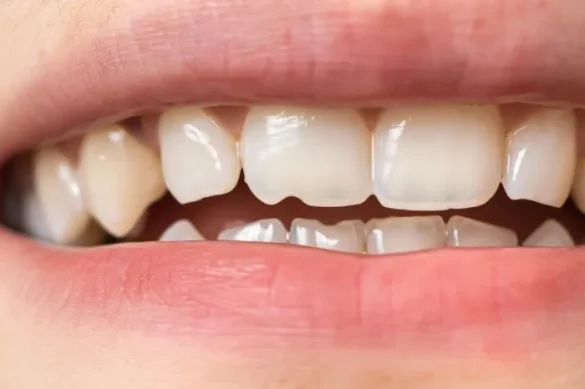
A small chipped tooth is not just a cosmetic inconvenience—it may also compromise your oral health if not treated promptly. Many people face this issue after biting something hard, experiencing an accident, or suffering from tooth grinding. Whether the chip is visible when you smile or causes discomfort while eating or drinking, understanding the available treatment options and cost is crucial. This guide will help you explore how much it typically costs to fix a small chipped tooth, what influences those costs, and what to expect during the repair process.
Why Does a Small Chipped Tooth Need Repair?
Even a small chip in your tooth can affect more than your appearance. The chip may make your tooth sensitive to hot or cold foods and drinks. It can also make the tooth more prone to further damage, such as cracking or developing cavities. For some, a small chip can cause rough edges that irritate the tongue or cheek. In short, repairing a chipped tooth early prevents future dental problems, protects the tooth structure, and restores a confident smile.
What Causes a Small Chipped Tooth?
Chipped teeth can happen for several reasons:
- Biting down suddenly on hard foods like candies, nuts, or ice
- Accidentally hitting your tooth during a fall or while playing sports
- Grinding teeth, especially at night (a condition known as bruxism)
- Pre-existing tooth weakness from decay, fillings, or age-related wear
- Everyday mishaps, such as using your teeth to open packaging
Front teeth are especially vulnerable due to their position and use in biting. Recognizing the cause can help you take steps to prevent future chips.
Common Ways to Fix a Small Chipped Tooth
There are several reliable options for repairing a minor chipped tooth. The right choice depends on the size, location, and visibility of the chip, as well as your cosmetic goals and budget. Here are the most common solutions:
Dental Bonding
Dental bonding is the most popular and affordable treatment for fixing a small chipped tooth. The dentist applies a tooth-colored resin to the chip, shapes it to match your natural tooth, and hardens it using a special light. The result looks and feels like your original tooth. Dental bonding is quick, minimally invasive, and typically completed in a single visit.
Dental Veneers
If the chip is on a visible front tooth and you want a flawless look, your dentist may suggest a dental veneer. A veneer is a thin, custom-made shell of porcelain or composite resin bonded to the front of your tooth. Veneers offer excellent aesthetics and can cover chips and other imperfections.
Dental Crowns
For larger chips or cracks that affect your tooth’s strength, a dental crown may be recommended. Crowns are caps that cover and protect the entire tooth. They are used if a substantial section of the tooth is lost or if the chip exposes the tooth’s inner layers.
How Much Does It Cost to Fix a Small Chipped Tooth?
The cost of fixing a small chipped tooth varies based on the treatment you need, where you live, material choice, and the dentist’s expertise.
Typical Costs for Small Chip Repair
- Dental Bonding: $100–$600 per tooth. This method is most affordable and suitable for minor chips. The cost depends on the chip’s size, the complexity of shaping the resin, and the experience level of your dentist.
- Dental Veneers: $500–$2,500 per tooth. Veneers are a cosmetic upgrade and may be more expensive. They are usually recommended when appearance is a major concern.
- Dental Crowns: $800–$3,500 per tooth. Crowns are more involved and often not necessary for small chips unless there is more structural damage.
These costs may be higher in large cities or specialist clinics. It is wise to ask your dental office for a personalized estimate.
What Factors Influence Chipped Tooth Repair Cost?
Several elements can affect how much you ultimately pay:
1. Severity and Size of the Chip
A small chip needing only bonding will be less expensive than a deeper break requiring a veneer or crown.
2. Location of the Tooth
Front teeth are usually less difficult and cheaper to restore because they are more accessible. Molars or back teeth might require stronger materials and more specialized work, potentially raising the cost.
3. Material Used
Resin (for bonding), porcelain, and zirconia have different costs. Higher-end materials tend to last longer but increase initial expenses.
4. Dentist’s Experience and Region
Dentists with advanced cosmetic skills or practices in high-cost areas often charge more. However, their results can be more aesthetically pleasing and long-lasting.
5. Additional Dental Work Needed
If your chipped tooth is accompanied by decay or infection, you may need extra procedures like fillings or a root canal before cosmetic repair. These add to the overall cost.
Does Dental Insurance Cover Small Chipped Tooth Repair?
Many dental insurance plans partially cover necessary procedures, especially if the chip is the result of an accident or affects your tooth’s function. Dental bonding and crowns are often categorized as restorative and may be reimbursed up to 50%–80%, after deductibles and plan maximums. Purely cosmetic treatments, such as veneers for aesthetic improvement, may not be covered. Always check with your provider about specific benefits, exclusions, and annual coverage limits.
How Soon Should You Repair a Small Chip?
Prompt treatment is advisable even if the chip feels minor. Postponing repair can expose your tooth to more damage or sensitivity. Early intervention with dental bonding is simple, quick, and cost-effective—often completed in less than one hour. Delays can lead to complex treatments and higher expenses in the future.
What to Expect When Fixing a Small Chipped Tooth
Your dentist will first examine your mouth and possibly take X-rays to ensure there are no deeper cracks or hidden issues. For dental bonding, the procedure is straightforward: your tooth is cleaned, the resin applied and shaped, then cured with a special light. The bonded area is polished for a smooth finish. Most patients can eat and brush as usual after the appointment.
If a veneer or crown is needed, impressions are taken and custom restoration is fabricated in a lab, requiring one or more additional visits.
How to Avoid Further Tooth Chips
- Avoid biting hard foods or objects
- Wear a mouthguard for contact sports or if you grind your teeth
- Follow good oral hygiene and see your dentist for regular check-ups
- Treat cavities or dental issues early before they weaken teeth
Conclusion
Fixing a small chipped tooth promptly is essential not only for restoring your smile, but also for protecting your oral health. Dental bonding is the most common and affordable solution, with costs roughly between $100 and $600 per tooth for minor chips. The price may be influenced by the chip’s size, the tooth’s location, your dentist’s expertise, and whether insurance provides partial coverage. Acting early offers the best chance for a simple, budget-friendly repair and can prevent more costly treatment in the future.
Frequently Asked Questions (FAQs)
Can a chipped tooth repair itself?
No, chipped teeth cannot heal on their own. Professional dental restoration is required.
Is fixing a small chip painful?
Most procedures, especially dental bonding, are quick, minimally invasive, and comfortable with local anesthesia.
How long does dental bonding last on a chipped tooth?
With good care, bonding can last 5–10 years before needing touch-ups or replacement.
Will insurance pay for repairing my chipped tooth?
Most plans cover functional repairs but may not pay for cosmetic veneers. Check with your insurer for exact benefits.
Can I wait to fix a small chip if it does not hurt?
Delaying treatment can risk further damage or pain. It is wise to consult your dentist promptly.