


A tooth filling is a routine dental procedure in South Africa, widely performed to repair damage caused by tooth decay. For many people, understanding the cost and process of getting a tooth filled can be the first step toward healthier teeth. In this article, we will look at the cost of fillings, what factors affect those costs, and why getting a filling is crucial for your oral health.
What Is a Tooth Filling?
A tooth filling is a dental treatment used to restore a tooth damaged by cavities or minor fractures. During the procedure, the dentist removes the decayed portion of the tooth and fills the space with a special material. This helps protect the tooth, restore its shape, and prevent further decay.
Types of Filling Materials
Fillings can be made from different materials. The most common types used in South Africa are:
Amalgam Fillings
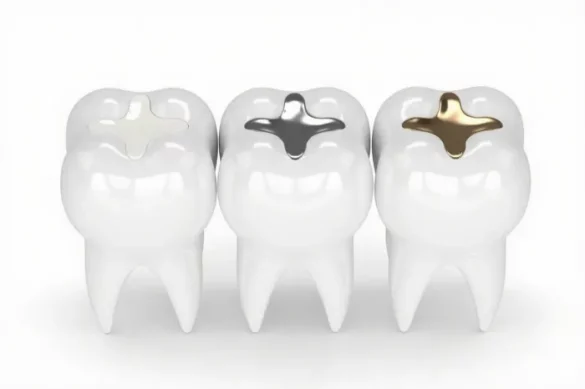
Amalgam is a silver-colored material, known for its durability and lower cost. These fillings are often used in molars, where strength is more important than appearance.
Composite (White) Fillings
Composite resin fillings match the color of your teeth for a more natural look. They are popular for front teeth or visible areas. Composite fillings usually cost more than amalgam but offer better aesthetics.
Other Materials
There are also fillings made with porcelain or gold, but these are less common in South Africa and are much more expensive. Porcelain is tooth-colored and highly durable, while gold lasts the longest and stands out visually, but both require more investment.
How Much Does It Cost to Fill a Tooth in South Africa?
The cost of filling a tooth can vary, depending on several factors. The average price for a standard filling ranges between R500 and R1,500 per tooth. This variation is due to:
- The size and number of cavities.
- The filling material selected.
- The dentist’s experience and location.
- Associated fees such as consultation and X-rays.
Simple fillings using amalgam are generally on the lower end, costing around R500–R800. Composite resin fillings can range from R800 up to R1,500 or more, especially if they require extra work for larger cavities or more aesthetic results. If the decay is extensive, additional treatments such as crowns or root canals may be needed, costing far more.
Factors That Affect the Cost of Tooth Fillings
Several important factors can impact the total price you pay for tooth fillings in South Africa:
1. Extent of Decay
A small cavity is simpler and cheaper to fill. If decay reaches deeper layers, complicated procedures like root canal treatment may be required, significantly increasing costs (sometimes up to R4,000–R10,000).
2. Location of Clinic
Dental clinics in major cities such as Johannesburg or Cape Town may charge higher fees than those in smaller towns. Urban clinics often have higher overheads and provide a wider range of services.
3. Dentist’s Experience
Highly experienced dentists or specialists may charge premium rates for their expertise. While a less experienced practitioner’s fee might be lower, many people prefer the assurance and quality of established professionals.
4. Material Used
Amalgam fillings cost less than composite or porcelain. While cost is a key factor, many patients select resin for its natural appearance even if it comes with a higher price tag.
5. Dental Insurance
Many dental insurance plans in South Africa cover part or all of the cost for fillings. It is important to check with your health insurer about what is covered, as coverage can vary widely.
The Importance of Early Treatment
Addressing tooth decay early can save you money and protect your health. If cavities are small, they can be fixed with a simple filling at minimal cost. Waiting too long can lead to larger problems, requiring treatments like crowns, root canals, or even extractions—which cost much more and can be uncomfortable.
Teeth do not heal by themselves. That means any sign of pain, sensitivity, or visible damage should prompt a visit to your dentist. Ignoring dental issues can allow decay to spread, increasing both risk and overall cost.
The Tooth Filling Procedure: What To Expect
Here is an overview of the tooth filling process:
Step 1: Examination
Your dentist examines the tooth to assess the severity of decay. This may involve X-rays to identify hidden damage.
Step 2: Decay Removal
The decayed part of the tooth is removed, usually under local anaesthesia to prevent discomfort during the procedure.
Step 3: Cleaning and Preparation
Once the decay is gone, the cavity is cleaned and prepared for the filling. This step helps prevent further infection.
Step 4: Filling Placement
The dentist places the chosen material—amalgam, resin, or other—into the cavity. The material is shaped and hardened to match your bite.
Step 5: Polishing
The filling is polished to smoothen the surface and ensure it feels natural.
The process typically takes less than an hour for a standard filling, though more complicated cases may require longer.
Possible Additional Costs
Aside from the filling itself, other costs might include:
- Initial dental consultation (from R300–R600)
- X-rays (typically R200–R500)
- Local anaesthesia (can be included or may be extra)
- Follow-up visits
If your cavity is especially large or deep, you may need more advanced treatments like crowns, costing upwards of R5,000 per tooth. Root canal therapy is even more expensive, often ranging between R4,000 and R10,000.
How to Choose a Dental Clinic
Selecting a clinic should involve considering:
- Experience and reputation of the dentist
- Cost transparency
- Use of quality materials
- Location and convenience
- Recommendations from friends or family
It is wise to get a written estimate before starting treatment. This helps you understand all charges and compare offers from different clinics.
Dental Insurance and Payment Plans
Many South Africans rely on dental insurance to manage costs. Most plans cover straightforward dental fillings, although the extent of cover—whether it applies primarily to amalgam or composite resin—may differ. Always ask for details from your provider before receiving treatment.
Some dental practices offer payment plans to spread larger bills over several months if a procedure is expensive, such as multiple fillings or root canal therapy.
How to Prevent Cavities and Reduce Filling Costs
Preventing cavities minimizes the need for fillings and saves money. Key steps include:
- Brushing teeth twice daily with fluoride toothpaste
- Flossing every day
- Limiting sugary and acidic foods and drinks
- Drinking water regularly
- Visiting your dentist for regular cleanings and checkups
- Considering dental sealants for vulnerable teeth
Stopping smoking and following a balanced diet also help keep teeth healthy.
Conclusion
Tooth fillings are a necessary part of dental care for many South Africans. Prices for a single filling can range from R500 to R1,500, depending on material, location, and dentist. Delaying treatment will likely raise costs and risk your health, making timely intervention essential. Preventative care is the most effective way to minimize dental expenses and avoid complex problems down the line.
FAQs
How long does a tooth filling last?
Depending on the material, a filling can last from 5 to 15 years with proper care.
Is getting a filling painful?
Most fillings are painless, thanks to local anaesthesia. Some mild discomfort after the procedure is normal.
Do medical aids cover tooth fillings in South Africa?
Most dental insurance plans cover part or all of the cost, but coverage varies by plan and material used.
Can I get multiple fillings during one visit?
If you have more than one cavity, your dentist can usually fill multiple teeth during a single appointment.
What happens if I do not fill a cavity?
Unfilled cavities will grow larger, eventually requiring more expensive treatments and risking tooth loss.