


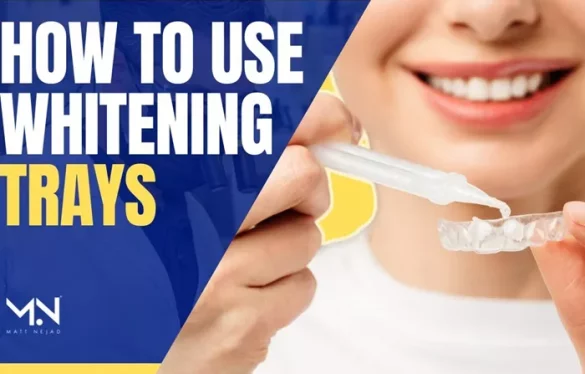
Teeth whitening has become a popular cosmetic dental procedure. Many people choose custom-fitted trays for home whitening. However, knowing how much whitening gel to use in trays is crucial. Using too much or too little can affect results and safety.
Understanding Whitening Gel Concentration
Whitening gels contain active ingredients like hydrogen peroxide or carbamide peroxide. Concentration affects how long and how much gel should be applied.
Hydrogen Peroxide Gels
Hydrogen peroxide is fast-acting and usually found in higher concentration gels for in-office treatments. Home trays may use lower concentrations. Too much hydrogen peroxide can irritate gums and teeth.
Carbamide Peroxide Gels
Carbamide peroxide breaks down into hydrogen peroxide. It is slower acting and safer for home use. Typical concentrations range from 10% to 22%. The amount placed in trays should match the recommended duration of wear.
How Whitening Trays Work
Custom trays fit tightly over teeth to hold whitening gel in contact with enamel. Proper tray usage ensures gel does not touch gums excessively, reducing irritation. Overfilling trays can lead to gum burns.
Tray Fit and Gel Distribution
Well-fitted trays distribute gel evenly. Only a small, pea-sized amount per tooth is usually sufficient. This allows contact with enamel without overflow. Trays with excess gel can leak onto gums and cause sensitivity.
Recommended Amount of Gel Per Tray
Experts suggest using a conservative approach. Typically, a thin line or a small dot on each tooth’s front surface inside the tray is enough. The goal is even coverage, not saturation.
Front Teeth
For the six front teeth, a pea-sized drop per tooth is ideal. Spread evenly by pressing the tray gently against teeth. Excess gel will squeeze out and irritate soft tissues.
Molars and Back Teeth
Molars may require slightly less gel because they have larger surface areas. Using the same pea-sized amount prevents waste and reduces gum exposure. Avoid piling gel in the tray corners.
Factors Affecting Gel Amount
Several factors influence how much whitening gel to use. These include tray type, gel concentration, tooth sensitivity, and treatment duration.
Tray Type
Custom trays designed by dentists hold gel efficiently. Boil-and-bite trays may require less gel to avoid overflow. Ill-fitting trays increase risk of irritation if overfilled.
Gel Concentration
Higher concentration gels require less contact time. Overloading high-concentration gel can increase sensitivity and cause gum irritation. Always follow the manufacturer’s instructions.
Tooth Sensitivity
Sensitive teeth require less gel. Applying too much can worsen sensitivity. Start with small amounts and adjust gradually based on comfort and whitening response.
Treatment Duration
Longer treatments require smaller gel amounts to prevent overexposure. Shorter treatments may use slightly more gel for adequate coverage. Avoid exceeding recommended daily usage.
Common Mistakes in Gel Application
Many people make errors that reduce effectiveness or increase side effects. Awareness of these mistakes improves whitening outcomes.
Overfilling Trays
Too much gel causes gum irritation, sensitivity, and wastage. Excess gel squeezes out and may discolor soft tissues. Only apply a thin layer to tooth surfaces inside the tray.
Uneven Application
Applying gel unevenly can result in patchy whitening. Ensure small, evenly spaced dots or thin lines on each tooth. Avoid applying gel to the gum areas.
Using Gel on Unclean Teeth
Plaque and debris reduce whitening effectiveness. Brush and floss before applying gel. Clean surfaces allow proper contact between gel and enamel.
Tips for Safe Gel Usage
Following safety tips ensures effective whitening and reduces side effects. Conservative gel usage and proper tray placement are key.
Follow Dentist Instructions
Always use the amount recommended by your dentist. Custom trays and professional guidance minimize risks of irritation and sensitivity.
Monitor Sensitivity
Check teeth and gums after each session. Reduce gel amount if sensitivity occurs. Do not exceed recommended wear time.
Clean Trays Properly
Rinse trays with water after each use. Avoid toothpaste as it may damage tray material. Clean trays ensure even gel distribution in subsequent sessions.
Professional vs Over-the-Counter Trays
Professional trays are made from impressions of your teeth. Over-the-counter trays are generic and may not fit well. Gel amount may differ due to tray fit and shape.
Professional Trays
Custom trays allow precise gel placement. Small amounts per tooth are sufficient. Better fit reduces risk of gel leakage and soft tissue irritation.
Over-the-Counter Trays
Generic trays may need less gel because they do not fit tightly. Overfilling can cause swallowing of gel and gum burns. Always follow package instructions.
Signs of Too Much Gel
Excessive whitening gel can cause several issues. Recognizing these signs helps prevent damage.
Gum Irritation
Red, sore, or swollen gums indicate gel overflow. Reduce the amount in the tray and ensure proper fit.
Tooth Sensitivity
Sharp or throbbing pain suggests overexposure to active ingredients. Shorten treatment time and use smaller amounts of gel.
Uneven Whitening
Overfilled trays may cause uneven whitening if gel spreads unevenly or leaks. Apply gel carefully in small dots or thin lines.
Signs of Too Little Gel
Using insufficient gel can reduce whitening effectiveness. The following are common indicators:
Poor Coverage
Teeth appear unchanged after several sessions. Small adjustments to gel quantity may improve results.
Patchy Whitening
Areas of teeth remain darker due to inadequate gel contact. Ensure each tooth surface receives a small, even application.
Extended Treatment Duration
Too little gel may require repeated applications or longer sessions. Avoid overcompensation by adding excessive gel at once.
Maintaining Results After Whitening
Proper gel use is only part of long-term whitening. Maintenance ensures results last longer.
Regular Oral Hygiene
Brush twice daily and floss once daily. Good oral hygiene prevents stains and prolongs whitening effects.
Avoid Staining Foods and Drinks
Limit coffee, tea, red wine, and dark sauces. These substances can stain teeth quickly. Use a straw when possible to reduce contact with front teeth.
Periodic Touch-Ups
Follow-up treatments with small gel amounts help maintain brightness. Consult your dentist before additional applications.
Conclusion
Knowing how much whitening gel to use in trays is key for safe and effective teeth whitening. Small, pea-sized amounts per tooth provide even coverage and reduce risks. Overfilling causes irritation, while underfilling reduces results. Follow dentist instructions, monitor sensitivity, and maintain oral hygiene for optimal outcomes.