


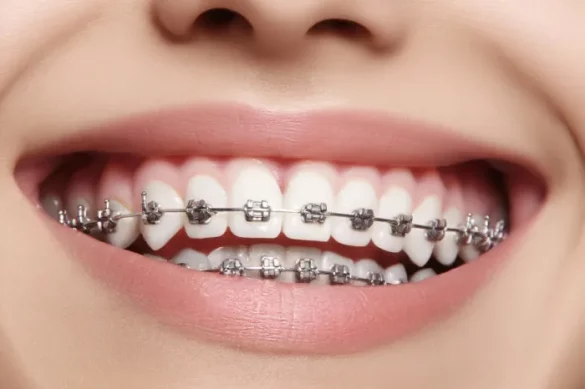
For many patients, one of the first questions when starting orthodontic treatment is how quickly their teeth will move with braces. Understanding the process, expected timelines, and ways to speed up safe tooth movement can help you set realistic expectations and maximize your results. This guide explores the science behind orthodontic progress, key influencing factors, and practical advice for achieving a great smile efficiently.
How Braces Move Teeth: The Science Behind the Process
Braces move teeth by applying gentle, consistent pressure to their surfaces. This pressure is created using brackets and wires, which work together to guide teeth into ideal positions. Once force is applied, the body begins a process called bone remodeling. The underlying bone surrounding each tooth gradually reshapes in response to pressure. This allows the teeth to shift steadily into new alignment.
Orthodontic tooth movement happens in stages. The first signs of progress usually occur within the first month, but the entire process is gradual and carefully controlled to protect your teeth and gums.
Initial Changes: The First Few Weeks
After placement of braces, some patients may notice changes as soon as the first two to four weeks. Teeth can feel slightly loose or sensitive, and you might see small gaps opening or closing as they start to move. This early and sometimes dramatic effect can be motivating, but it is only the beginning of a much longer process.
Progressive Adjustment: Months to Years
Most visible changes typically occur after three to six months. However, complete orthodontic treatment often spans 18 to 36 months, depending on each case’s complexity. Braces are adjusted periodically, either by tightening wires or changing the configuration, to keep the movement safe and steady until your bite and alignment are perfected.
Typical Timelines for Tooth Movement With Braces
Minor Cases
If your teeth only need small adjustments, such as minor crowding or spacing, treatment may last from six to twelve months. Progress is usually more noticeable by the second or third month, and many patients see visible changes early on.
Moderate Misalignment
Cases with moderate crowding or bite issues typically take 12 to 24 months. While some shifts are clear in the first few months, it takes consistent progress over time to reach proper alignment and bite correction.
Severe Crowding and Complex Cases
More complex orthodontic cases, such as severe crowding, major bite issues, or significant rotations, can require two to three years of braces. Patience is essential, but regular improvement is common. The final stages focus on perfecting the bite and stabilizing the new tooth positions.
What Influences the Speed of Tooth Movement?
Age
Younger patients generally see faster results. Children and teenagers have bones and soft tissues that respond more quickly to orthodontic forces. Adult bone is denser and less flexible, which may slow progress, but good compliance can compensate.
Severity and Type of Misalignment
If your teeth are severely misaligned, the process will take longer. Mild cases move faster. The starting position and the degree of crowding or rotation affects how much movement is needed.
Type of Braces
Traditional metal braces are the most time-tested and often move teeth efficiently. Ceramic braces or clear aligners, such as Invisalign, offer aesthetic benefits and may move teeth at similar or sometimes slightly slower rates, depending on case complexity.
Oral Hygiene and Health
Healthy gums and teeth respond better to orthodontic pressure. Oral health issues, such as gum inflammation or cavities, can slow movement and increase discomfort. Maintaining excellent hygiene promotes steady progress.
Compliance With Instructions
Patients who follow orthodontist instructions—wearing elastics, avoiding hard or sticky foods, and attending all scheduled appointments—experience smoother, faster treatment. Missing appointments or failing to care for your braces can cause delays and even complications.
Technology Used
Modern advances, such as self-ligating brackets and digital treatment planning, help orthodontists apply more precise and efficient forces. These innovations can sometimes accelerate safe tooth movement.
Recognizing Signs of Tooth Movement With Braces
As treatment progresses, you may notice several signs that indicate your teeth are shifting:
- Mild soreness or pressure after adjustments
- Changes in tooth spacing or bite
- Looser teeth (this is normal in early stages)
- Visual changes in alignment over weeks or months
If discomfort is severe or lasts longer than a few days, contact your orthodontist. Some soreness is expected but should be manageable.
Stages of Tooth Movement Explained
Stage 1: Initial Alignment (2–6 months)
Teeth begin to line up on the dental arch. Crooked or crowded teeth start finding their place, creating a smoother appearance.
Stage 2: Angle and Rotation Adjustments (3–6 months)
After initial alignment, the orthodontist focuses on correcting tooth angles and rotations. Wires and bands may be changed to apply new forces.
Stage 3: Bite Correction (6–9 months)
Once teeth are in better alignment, the bite is adjusted to ensure upper and lower jaws fit together properly. This improves chewing and speaking function.
Stage 4: Retention and Stabilization (During and After Braces)
At the end—after braces are removed—a retainer holds teeth in their new position. Retainers are essential for preventing relapse and keeping your smile straight long-term.
Maximizing Tooth Movement: Tips for Faster, Safe Progress
Patients play an important role in their orthodontic success. Some tips for keeping your treatment on track:
- Brush and floss thoroughly every day to keep gums healthy
- Use recommended appliances, such as elastics, exactly as directed
- Attend every scheduled adjustment or check-up
- Avoid foods that can damage your braces (hard, sticky, sweet)
- Report any discomfort or broken brackets promptly
Water flossers and interdental brushes may help clean around brackets, but do not replace regular flossing. Good oral care prevents complications and supports healthy tooth movement.
How Modern Technology Can Accelerate Tooth Movement
Self-ligating brackets, digital smile simulation, and virtual consultations are some of the biggest advances in orthodontics. These technologies allow for precise tracking, more comfortable adjustments, and, in some cases, shorter overall treatment times. Your orthodontist may recommend options based on your specific needs and goals.
Conclusion: Patience and Partnership Deliver Best Results
Tooth movement with braces is a controlled and steady process. While early changes can be exciting, it is important to remember that complete orthodontic correction often takes 18 to 36 months. Factors like age, oral hygiene, treatment compliance, and the type of braces all affect speed. By partnering closely with your orthodontist and maintaining excellent care, you can achieve a healthy, beautiful smile as promptly and safely as possible.
FAQs About Tooth Movement With Braces
How soon will I see changes after getting braces?
Many people notice small changes two to four weeks after getting braces. Most visible results appear within three to six months.
Do braces move teeth every day?
Yes. Braces provide gentle, steady pressure to encourage daily movement. This is why regular adjustments are needed to keep the process progressing safely.
Can adults’ teeth move as quickly as children’s?
Adults’ teeth move more slowly due to denser bones, but with good compliance, steady progress is still possible.
Does good oral hygiene affect how fast teeth move?
Healthy teeth and gums are essential for efficient movement. Poor hygiene can slow progress and create problems.
What happens after braces are removed?
Patients usually need to wear a retainer to hold teeth in their new position and prevent relapse. This step protects your investment in a better smile.