


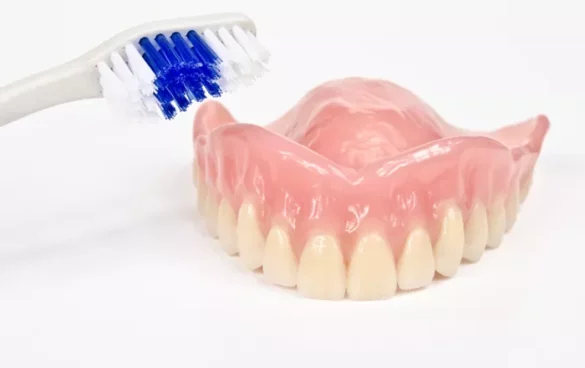
Maintaining proper denture hygiene is essential for oral health. Poorly cleaned dentures can lead to gum disease, bad breath, and infections. While commercial denture cleaners are convenient, household bleach can be an effective disinfectant when used correctly. This guide provides a detailed, step-by-step process for cleaning dentures with bleach safely, ensuring your dentures remain clean and your mouth stays healthy.
Why Denture Hygiene Matters
Dentures are susceptible to bacterial and fungal buildup. If not cleaned regularly, this buildup can irritate gums, cause sensitive teeth, and increase the risk of oral infections. Bleach acts as a powerful disinfectant that can eliminate harmful microorganisms. Understanding the importance of denture hygiene is the first step toward maintaining oral health.
Risks of Poor Denture Cleaning
Neglecting denture hygiene can lead to multiple dental issues, including:
- Gum disease due to bacterial accumulation
- Staining and discoloration of dentures
- Unpleasant odors in the mouth
- Increased risk of sensitive teeth and infections
Safety Precautions When Using Bleach
While bleach is effective for cleaning dentures, it must be used carefully to avoid damage to dentures or harm to your oral tissues. Follow these safety tips:
Use Diluted Bleach
Always dilute household bleach before using it on dentures. A typical ratio is one part bleach to ten parts water. Undiluted bleach can weaken denture materials, causing cracks or discoloration.
Protect Your Skin
Wear gloves when handling bleach. Direct contact with skin can cause irritation. Rinse your hands thoroughly after cleaning.
Do Not Soak for Extended Periods
Extended exposure to bleach can damage the denture’s acrylic or metal components. Limit soaking time to 10–15 minutes.
Avoid Mixing with Other Cleaners
Never mix bleach with other household cleaners, especially ammonia or acids. This can produce toxic fumes that are harmful to health.
Materials Needed
Before starting, gather the necessary materials to ensure a smooth cleaning process:
- Household bleach (sodium hypochlorite)
- Clean glass or plastic container
- Measuring cup
- Soft-bristled denture brush
- Warm water
- Gloves
- Clean towel
Step-by-Step Guide to Cleaning Dentures with Bleach
Step 1: Prepare Your Cleaning Solution
Pour warm water into a clean container. Add bleach in a ratio of one part bleach to ten parts water. Stir gently to mix. Ensure the solution is well-diluted before placing your dentures.
Step 2: Remove Debris from Dentures
Before soaking, remove any food particles or plaque from the dentures using a soft-bristled denture brush. Rinse thoroughly under running water to prevent debris from blocking the bleach from reaching all surfaces.
Step 3: Soak Dentures in Bleach Solution
Place the dentures in the diluted bleach solution. Ensure they are fully submerged. Allow them to soak for 10–15 minutes to kill bacteria and fungi effectively. Avoid longer soaking times to protect the denture material.
Step 4: Brush Dentures Gently
After soaking, remove the dentures and use a soft-bristled brush to gently clean all surfaces. Pay special attention to grooves and the inner surfaces that contact gums. This step helps remove any remaining plaque or debris.
Step 5: Rinse Thoroughly
Rinse dentures under running warm water multiple times to remove all traces of bleach. Residual bleach can irritate sensitive gums or damage the mouth’s soft tissues if ingested.
Step 6: Dry Dentures
Place dentures on a clean towel to air dry or gently pat them dry. Ensure they are completely dry before storing them or placing them back in your mouth to prevent bacterial growth.
Step 7: Store Dentures Properly
When not in use, store dentures in a clean container with water to maintain their shape. Avoid storing them in bleach solution overnight, as this can weaken the material.
Tips for Maintaining Denture Hygiene
Clean Daily
Clean dentures at least once daily to prevent plaque buildup. Regular cleaning reduces the risk of gum disease and infections.
Handle Dentures Carefully
Dentures are delicate. Avoid dropping them or using abrasive brushes that can scratch the surface. Scratches can harbor bacteria and stain the dentures.
Soak Overnight in Safe Solutions
Instead of bleach, use denture soaking solutions or plain water overnight. This prevents drying out and keeps dentures in good condition.
Check Your Gums Regularly
Inspect your gums for redness, swelling, or sores, especially if you have sensitive teeth. Healthy gums are essential for denture comfort and overall oral health.
Visit Your Dentist Regularly
Schedule dental check-ups to ensure dentures fit properly and your oral tissues remain healthy. Dentists can provide professional cleaning and guidance on safe bleach use if necessary.
Common Mistakes to Avoid
Using Undiluted Bleach
Undiluted bleach can corrode metal clasps and weaken acrylic dentures. Always follow the recommended dilution.
Over-Soaking Dentures
Extended soaking may lead to discoloration or structural damage. Stick to the recommended 10–15 minutes.
Neglecting Rinsing
Failing to rinse thoroughly can leave bleach residues that irritate sensitive gums and oral tissues.
Brushing Too Hard
Abrasive brushing can scratch dentures, making them more prone to bacterial growth and staining.
Special Considerations for Sensitive Teeth and Gums
If you have sensitive teeth or inflamed gums, be extra cautious. Limit bleach exposure and always rinse thoroughly. Consider consulting your dentist before using bleach for denture cleaning to ensure safety.
Alternative Cleaning Methods
While bleach is effective, other methods can also maintain denture hygiene:
Denture Cleaning Tablets
These tablets dissolve in water and provide a safe, effective way to clean dentures without bleach.
Vinegar Solution
A mixture of white vinegar and water can help remove stains and reduce bacterial buildup.
Ultrasonic Cleaners
Ultrasonic devices use vibrations to clean dentures thoroughly, reaching areas that brushes cannot.
Conclusion
Cleaning dentures with bleach is a practical method when done safely. Following a step-by-step approach protects your dentures, prevents gum disease, and promotes oral health. Always remember to dilute bleach, limit soaking time, and rinse thoroughly. Regular denture care, combined with routine dental visits, ensures comfort, hygiene, and long-lasting dental appliances.